UK metal‑rich grassland thrives on ancient lead mines — SkimNews

SkimNews Take
The long-term presence of lead, rather than its initial toxicity, has enabled the evolution of unique plant life, demonstrating how sustained environmental stressors can drive specialized biodiversity.
Get the Energy newsletter
Daily energy & climate — solar, EVs, oil, the policy fights and tech bets shaping the transition. Free.
- Northumberland Wildlife Trust's estates manager Geoff Dobbins says the grassland is a case of nature responding to human‑caused pollution and urges its protection.
- Geoff Dobbins notes the site, just larger than a football pitch, hosts mountain pansies and alpine pennycress thriving on metal‑rich soils along the River Allen.
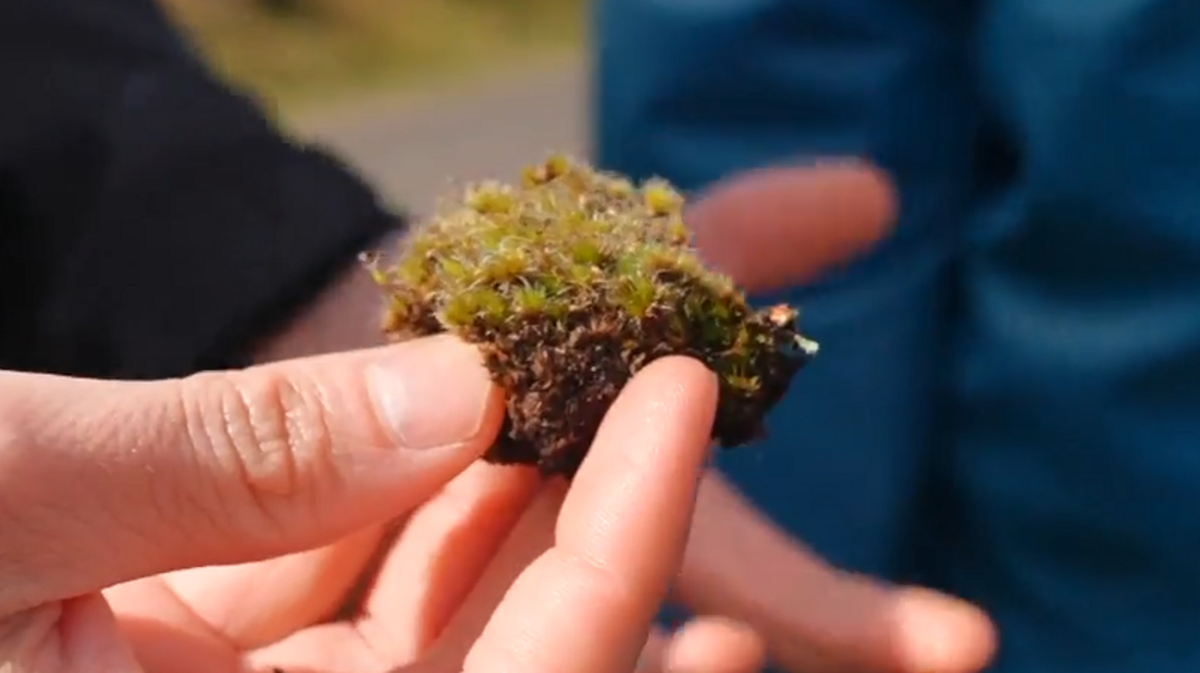
- Dr Ruth Starr‑Keddle explains that metallophyte plants such as Viola calaminaria can survive soils with metal concentrations up to 30 times higher than typical species and act as hyper‑accumulators, locking metals in plant tissue.
- Viola calaminaria, the rare yellow violet named after calamine (zinc ore), is a signature species of these grasslands, which together cover only about 450 hectares across the UK.
- River Allen in Northumberland marks the location of this small calaminarian grassland, a legacy of over a millennium of lead mining that left soils heavily contaminated with lead, zinc and cadmium.
Why it matters: Conservation groups gain a living laboratory for studying hyper‑accumulator plants, while neglect erases a rare habitat and its natural metal‑sequestration function, raising future remediation costs.
Ask SkimNews