Fed Data Shows Household Debt Resilience Amid Wage, Loan Stress — SkimNews

Get the Finance newsletter
Daily finance — markets, central banks, M&A, the prints that move money. Free.
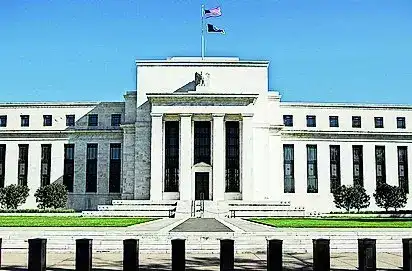
- Federal Reserve reported U.S. household debt totals $19 trillion, with mortgages making up about 70% of the balance, reflecting a structurally resilient segment of the economy.
- Mortgage holders continue to benefit from fixed monthly payments locked in during prior low-rate periods, providing financial stability despite ongoing inflation.
- Auto and student loan borrowers face acute financial stress, revealing significant weaknesses within segments of consumer debt outside housing.
- Household finances show a 'K-shaped' divergence, where asset holders are insulated while lower-income and credit-constrained consumers struggle, per FHN Financial’s Sophia Kearney-Lederman.
- Real average hourly earnings decreased from July 2025 to July 2026 when adjusted for inflation, eroding purchasing power for workers across income levels.
- Would-be home buyers remain largely excluded from the housing market due to high prices, elevated mortgage rates, and tight lending standards from risk-averse lenders.
Why it matters: Homeowners with low fixed-rate mortgages gain continued leverage in a high-cost economy, while stagnant real wages and strict credit access deepen inequality—leaving renters and non-homeowners exposed to mounting financial pressure without structural relief.
Ask SkimNews