US Customs supervisor busted for stealing hardware from Homeland Security PCs — SkimNews
Get the Tech newsletter
Daily tech — startups, AI labs, chips, the launches that shape the next decade. Free.
- Terry "Jiajia" Liu, a CBP supervisor based in Calais, Maine, was arrested by the FBI and charged with theft and damage to government property after allegedly stealing computer hardware from at least 46 Department of Homeland Security computers across three Maine border facilities.
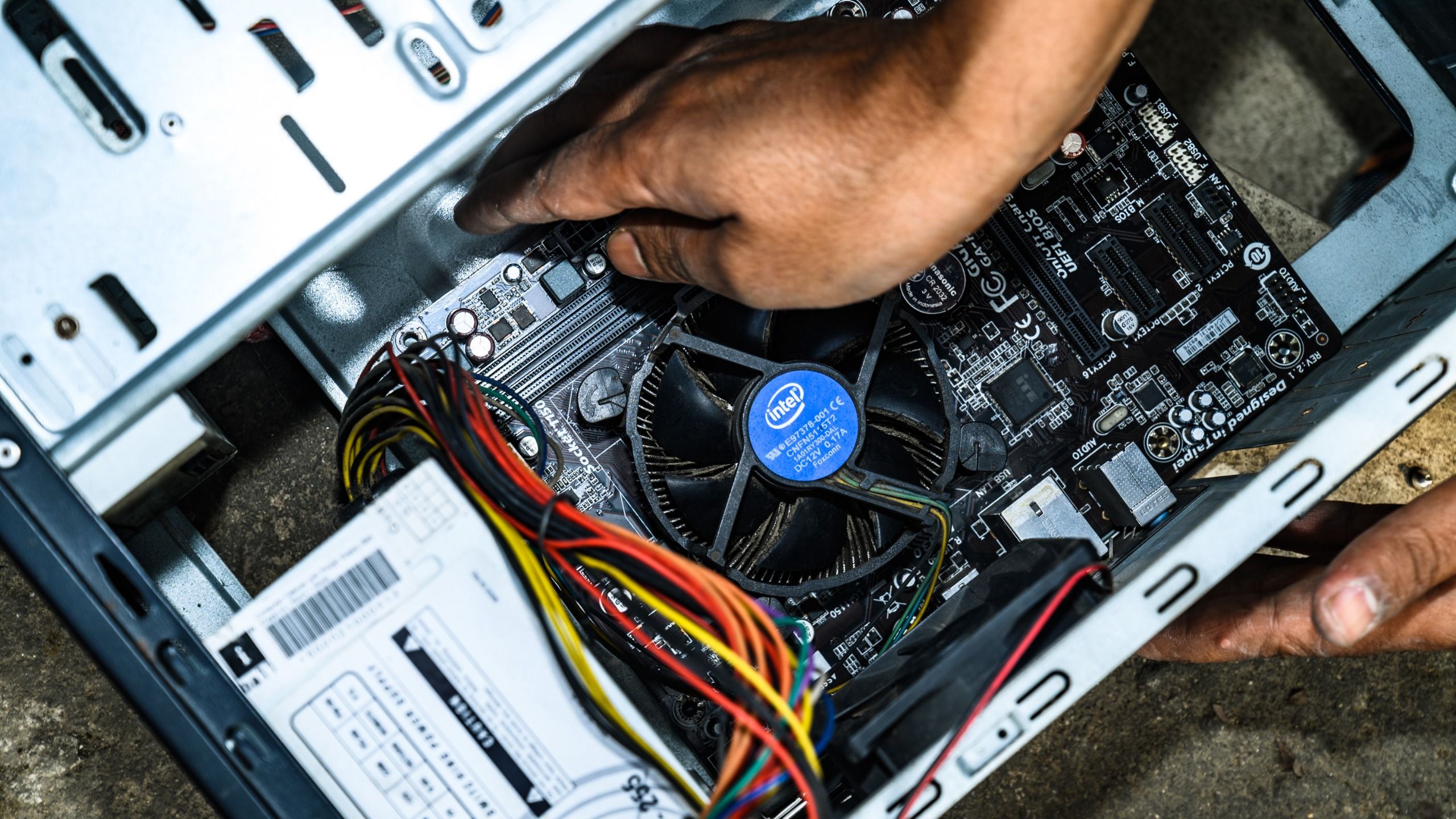
- Liu allegedly stole Intel 14th Generation Raptor Lake Refresh processors, memory modules, and hard drives, then replaced them with inferior hardware — sometimes downgraded to Pentium chips — despite a written order from Port Director Theodore Cummings explicitly barring any movement of computers or computer parts.
- Hidden surveillance cameras captured Liu during the midnight shift opening government systems in a training room, including footage of him using a screwdriver to scrape thermal paste off a processor and installing a replacement chip, and another clip of him removing a memory module and storing it in his desk drawer.
- Investigators determined 39 computers had processors replaced, six had memory modules swapped, and eight had hard drive changes; Liu traded Core i7 Raptor Lake Refresh chips 16 times through Newegg's Trade-In program over 14 months (May 2025 to July 2026) at $200–$210 per processor, with three matching $200 credits found in his American Express records.
- During an interview with investigators, Liu confessed to replacing hardware with lower-performing parts bought on Amazon and Newegg, initially claiming it was to improve performance and reduce repair times before admitting the changes resulted in degraded system performance.
- Restoring just the stolen hardware would cost about $20,460, while fully replacing all 46 compromised systems with equivalent hardware is estimated at $105,800, with additional labor for government-specific configuration expected to push the total even higher.
Why it matters: A supervisor with restricted IT access bypassed an explicit written order and silently downgraded 46 government systems at three active border facilities over 14 months — going undetected until hidden cameras caught the midnight-shift thefts. The scheme cost taxpayers an estimated $105,800 in replacement costs and exposed gaps in CBP oversight of government computer hardware at facilities handling border security.
Ask SkimNews