Myanmar's war fueled by jade, gas, rare earths

Get the Geopolitics newsletter
Daily geopolitics — wars, elections, sanctions, the diplomatic moves that move markets. Free.
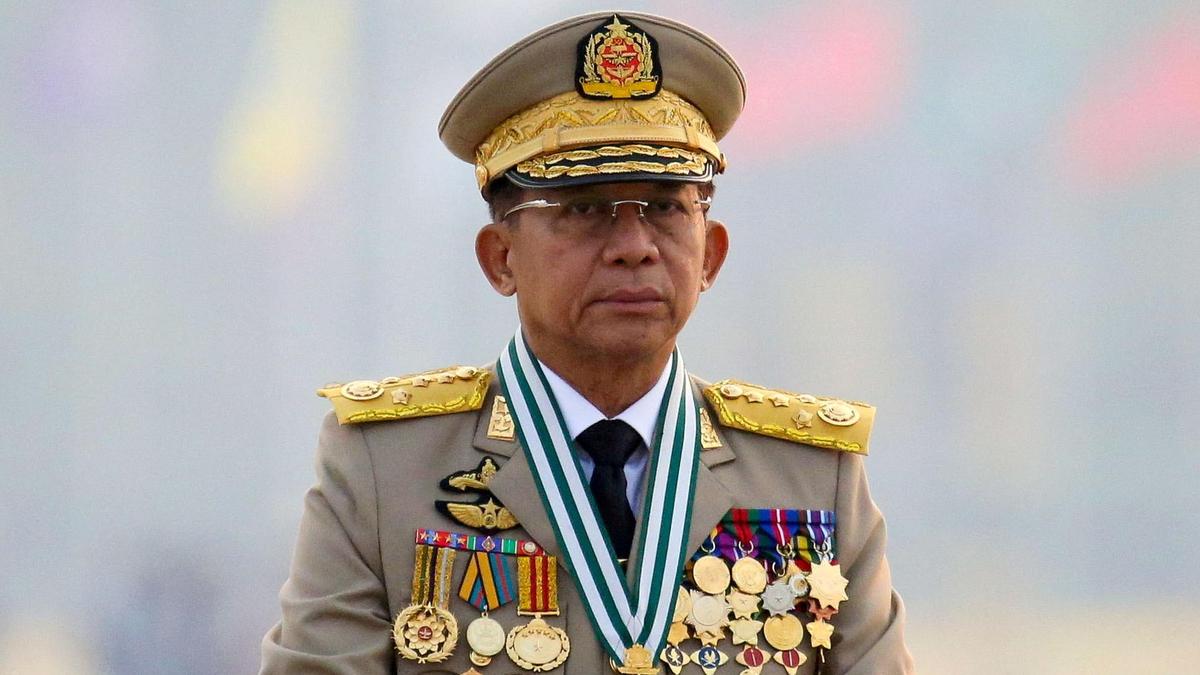
- Myanmar's military has operated as a rentier elite since Ne Win's 1962 coup, capturing revenue through conglomerates MEHL and MEC, state-owned enterprises, and concessions spanning gems, timber, mining, banking, and cross-border trade, per a UN fact-finding mission.
- Myanma Oil and Gas Enterprise (MOGE) is the junta's largest single source of foreign revenue, with natural-gas projects generating more than US$1 billion annually for the regime according to Human Rights Watch estimates cited by the US Treasury.
- Hpakant's jade mines and rare earths in Kachin and northern Shan have enriched military-linked companies, armed groups, and smugglers for decades, with Global Witness documenting how rare-earth revenues feed conflict-linked supply chains for China's clean-energy and high-tech industries.
- Myanmar's strategic corridors serve competing external powers: China pipelines oil and gas from Kyaukphyu to Yunnan, India relies on the Trilateral Highway and Kaladan project for its Act East policy, and Thailand hosts more than two million registered Myanmar migrant workers.
- Ethnic minority regions hold most of Myanmar's richest assets — jade and rare earths in Kachin and northern Shan, ports and offshore gas near Rakhine, border routes through Karen, Mon, and Shan — making divide-and-rule a resource-extraction strategy rather than a byproduct of ethnic diversity.
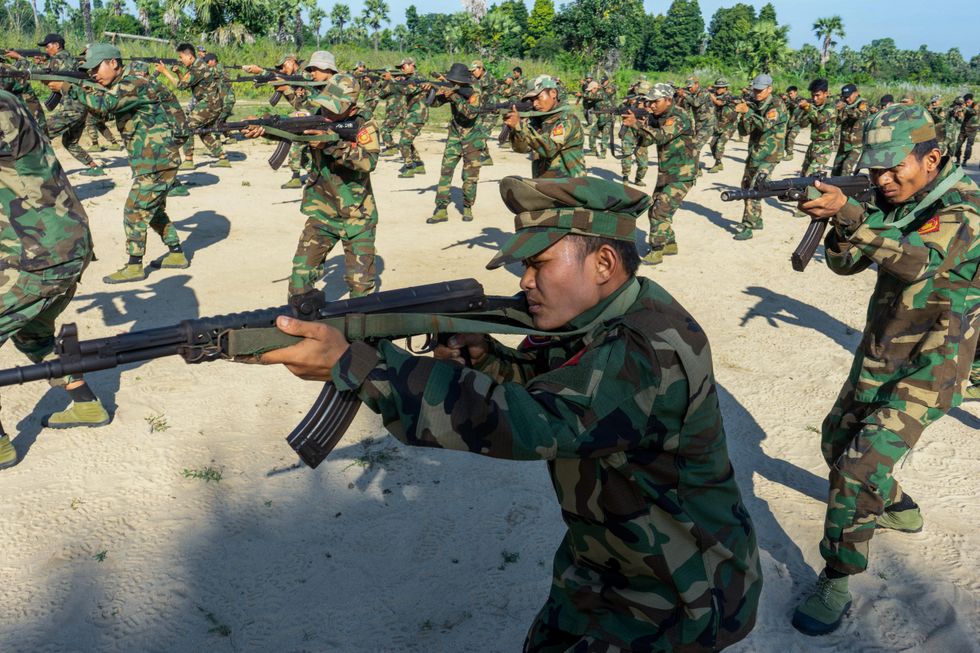
- Resistance forces in post-2021 non-junta territory now face the same rentier trap through checkpoint taxes, border trade, timber, mining, and shares of jade and rare-earth revenue, risking what the author calls warlordism and the reproduction of the old war economy.
- The author argues resource governance must be embedded in any political settlement, with civilian authorization, transparent accounting, environmental safeguards, and meaningful ethnic authority over local resources within a democratic federal framework.
Why it matters: If Myanmar's revolutionaries fund their war the way the junta does — through checkpoint taxes, border trade, and mineral extraction — the post-junta order could inherit the rentier structure that made the war possible. The piece reframes the conflict as a struggle over extractive rents, making resource governance a precondition for peace rather than a post-war task.
Ask SkimNews