Huang defends DLSS 5 from gamer 'AI slop' backlash — SkimNews
Get the Tech newsletter
Daily tech — startups, AI labs, chips, the launches that shape the next decade. Free.
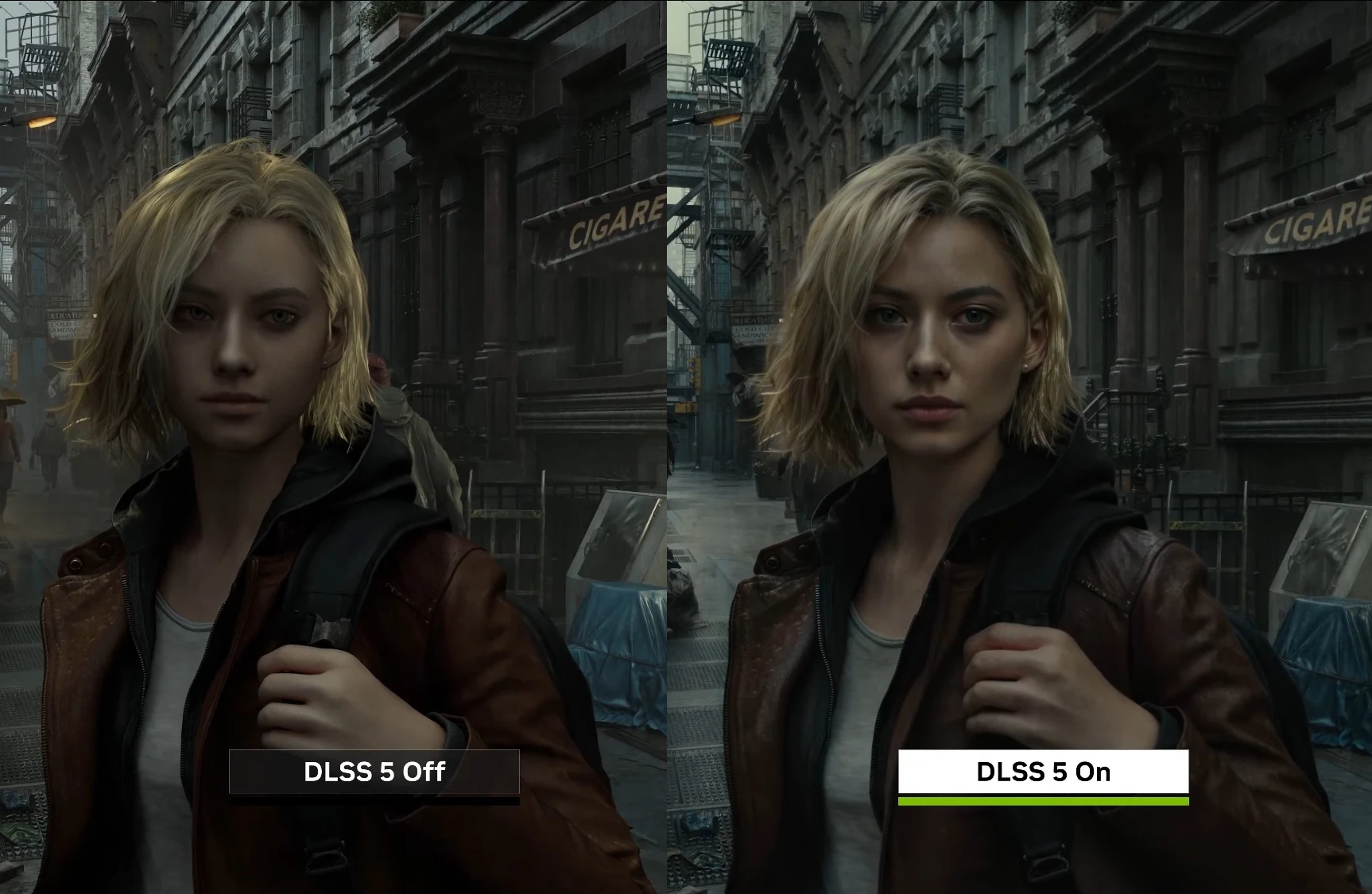
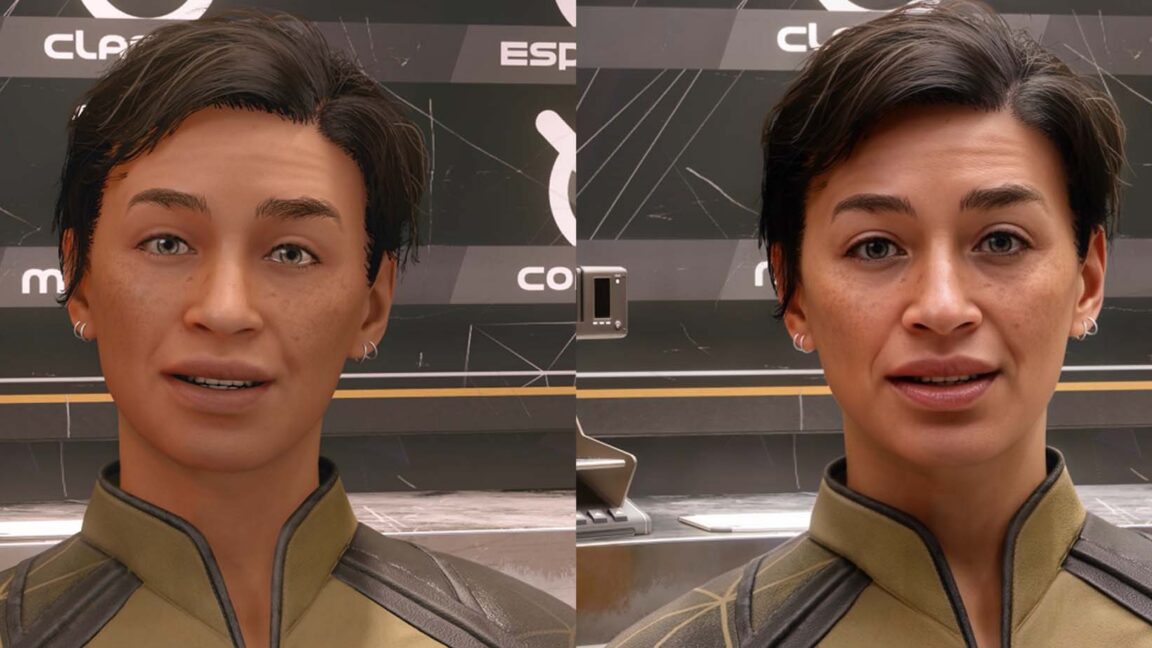
- DLSS 5's public reveal drew 'widespread condemnation' from the gaming community last week over its 'generative AI enhanced glow-ups' of game scenes
- Jensen Huang argued on the Lex Fridman Podcast that DLSS 5 is '3D conditioned, 3D guided' and that artists retain control over the 'ground truth structure' of games
- The actual gamer concern, per Ars Technica, is less about generative content and more about DLSS 5 'smoothing out' disparate games toward a 'single, flattened, homogenized photo-realism standard'
- Huang said DLSS 5 is 'open' and can be trained by artists for specific looks — including non-photorealistic styles like toon shading — a point that would undercut the homogenization fear
- Nvidia has already announced partnerships with Bethesda, Capcom, NetEase, NCSoft, Tencent, Ubisoft, and Warner Bros. Games to integrate DLSS 5 into upcoming titles
- Previous DLSS versions were sold as 'relatively turnkey post-processing' for resolution and frame-rate boosts — Ars Technica argues Nvidia's generative-AI rebranding has confused the technology's established meaning
- DLSS 5 won't debut in actual games for months, giving Nvidia time to continue justifying the technology to a 'skeptical gaming public'
Why it matters: Nvidia has locked partnerships with seven major publishers — Bethesda, Capcom, Ubisoft among them — to integrate DLSS 5, making individual gamer opt-outs potentially moot once big-budget titles ship. Huang's pitch of artist-guided customization directly addresses the homogenization fear, but rebranding a once-turnkey post-processing tool as generative AI has muddied the technology's established meaning for a skeptical audience.
Ask SkimNews