Oura Pulls IPO as AI Wearables Hit Privacy Wall — SkimNews

Get the Tech newsletter
Daily tech — startups, AI labs, chips, the launches that shape the next decade. Free.
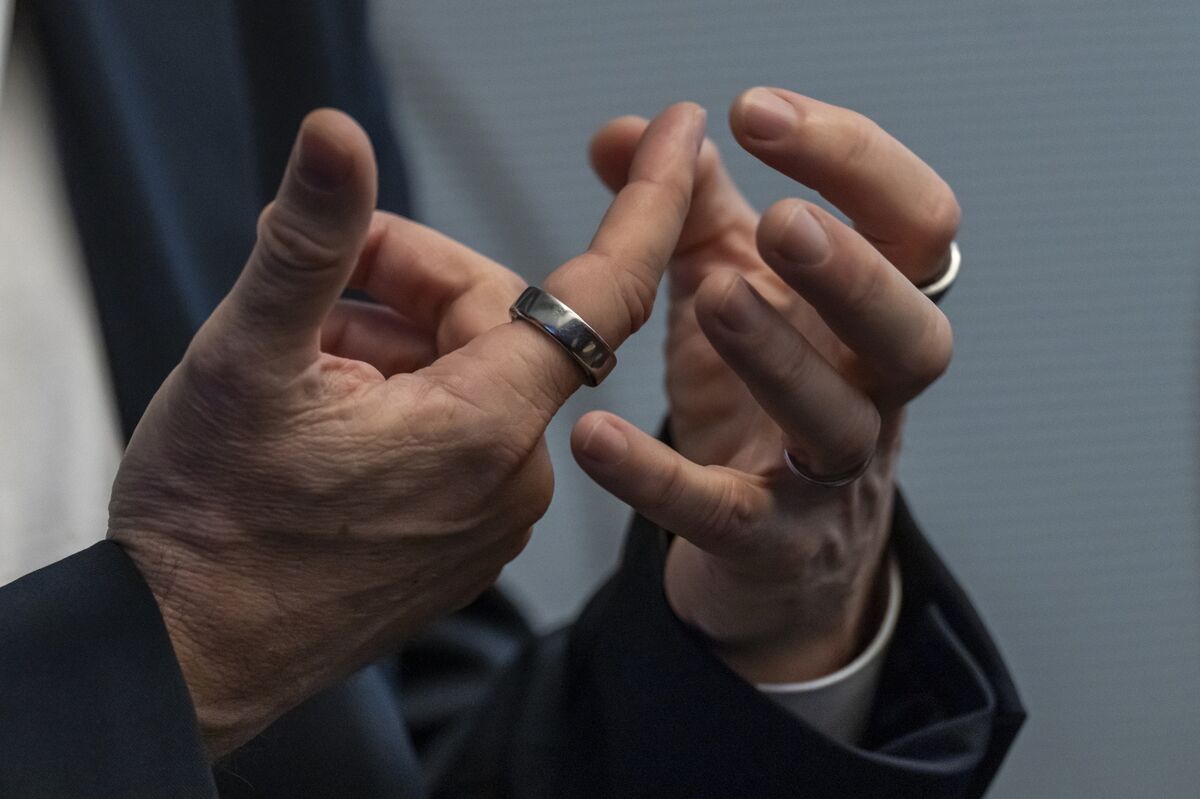
- Oura delayed its expected IPO on Tuesday, citing "uncertainty in the IPO market" despite strong product demand, with Moor Insights analyst Anshel Sag calling the move "weird" and suspecting another reason behind the pull.
- Meta's Tamagotchi-like Muse Charm topped Apple's iOS App Store free apps list after its unveiling last week, but the company's Ray-Ban AI glasses face a branding crisis dubbed "pervert glasses" on social media over discreet cameras used in harassment incidents, including a man photographing a date and a Facebook Marketplace buyer recording children.
- DA Davidson analyst Gil Luria declared growing resistance to camera-equipped smart glasses means the category is "done for at this moment" and won't be revisited for 10 years, a reversal from when he first gifted the spectacles to his twin sons last year.
- OpenAI rolled out a personal assistant called Dots this week, while its Jony Ive-designed consumer device does not appear to be a wearable, according to Bloomberg; Apple showed AI features on the Watch Series 12 that listen to conversations.
- Privacy backlash has produced concrete consequences: smart glasses have been banned from gyms, Flock Safety's license plate scanners are being vandalized, and a judge threatened contempt against anyone wearing AI smart glasses during Mark Zuckerberg's testimony in the Meta social media addiction trial.
- The AI wearables market is littered with execution failures, including the Rabbit r1, which lacked distinct use cases from a smartphone, and the Humane AI Pin, discontinued last year following poor reviews and hardware problems like overheating and poor battery life.
Why it matters: With Oura's IPO pulled at the last minute and a sell-side analyst declaring camera-equipped smart glasses "done for at this moment," the AI wearables market's breakout moment is stalled on privacy grounds. The backlash — gym bans, vandalism of surveillance infrastructure, courtroom contempt threats — means adoption hinges on overcoming the surveillance perception before these devices can become everyday fixtures.
Ask SkimNews