Ethoxyquin in Fishmeal Sparks Global Safety Debate — SkimNews
Get the Energy newsletter
Daily energy & climate — solar, EVs, oil, the policy fights and tech bets shaping the transition. Free.
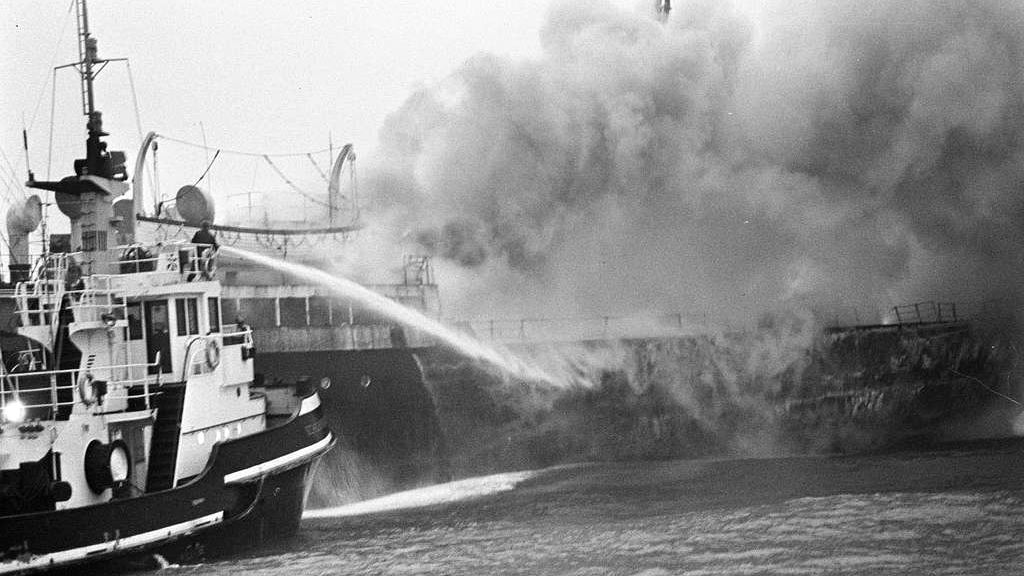
- Fishmeal was responsible for at least 90 ship and plant fires from the 1950s to the 1970s due to its tendency to spontaneously combust during oxidation and decay.
- Cargill introduced ethoxyquin as a fire retardant in 1967, significantly reducing fishmeal-related ship fires from 16 per year to five by the 1970s.
- U.S. Coast Guard mandated ethoxyquin treatment for fishmeal shipments in 1976, and the United Nations recommended its use three years later to prevent combustion.
- European Commission suspended authorization for ethoxyquin in animal feed in 2017, leading to its ban in the U.K. and European Economic Area countries including Norway, Iceland, and Liechtenstein.
- Aldi Inc. settled a 2022 class-action lawsuit alleging false 'sustainable' labeling of Atlantic salmon products containing ethoxyquin, which the EU had banned over environmental and health concerns.
- Gorton’s Inc. settled a similar 2022 lawsuit filed by residents of New York and California over 'sustainably sourced' claims for tilapia fed ethoxyquin-treated fishmeal.
- Cargill stated it no longer uses ethoxyquin in its global salmon feed business or in markets where it is not authorized, shifting to alternatives like rosemary extract and vitamin E.
Why it matters: Over half of the world’s seafood now comes from farms reliant on fishmeal, and while ethoxyquin prevents dangerous fires, its use exposes consumers and ecosystems to a chemical linked to cancer and genetic damage—creating a bind for regulators, producers, and importers as countries diverge on safety standards.
Ask SkimNews