Israel-Lebanon Deal: 'Zero' Chance of Parliamentary Approval — SkimNews
Get the Geopolitics newsletter
Daily geopolitics — wars, elections, sanctions, the diplomatic moves that move markets. Free.
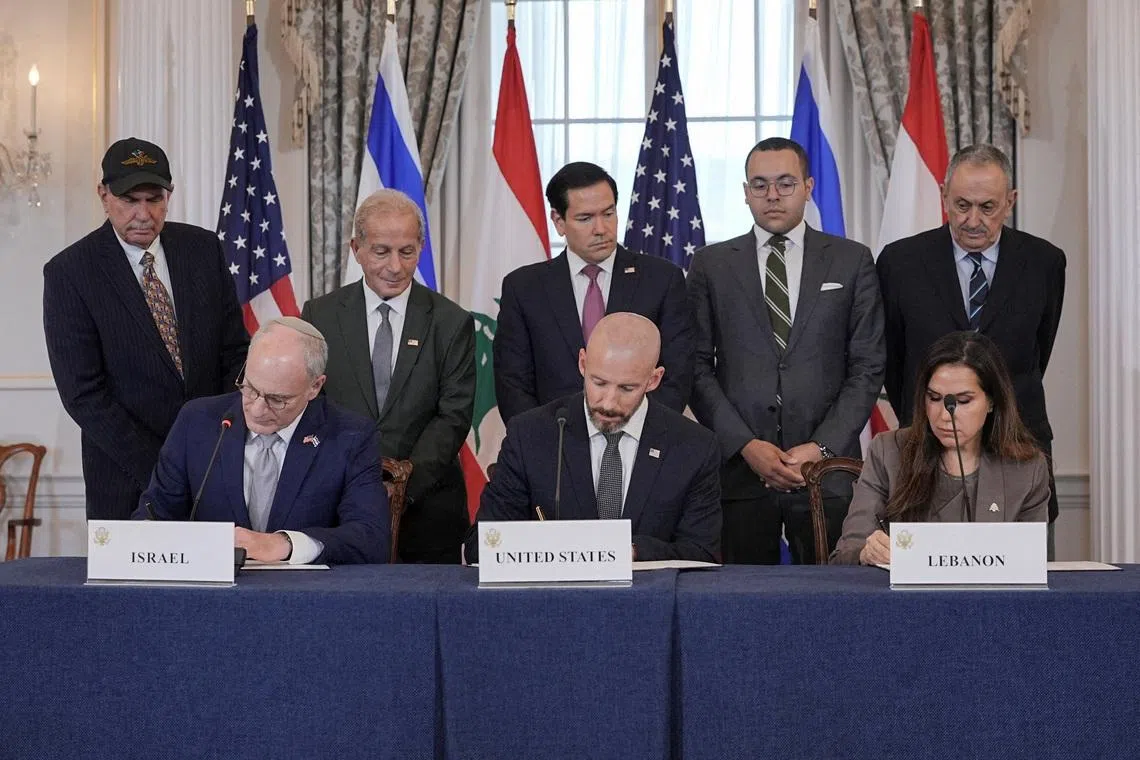
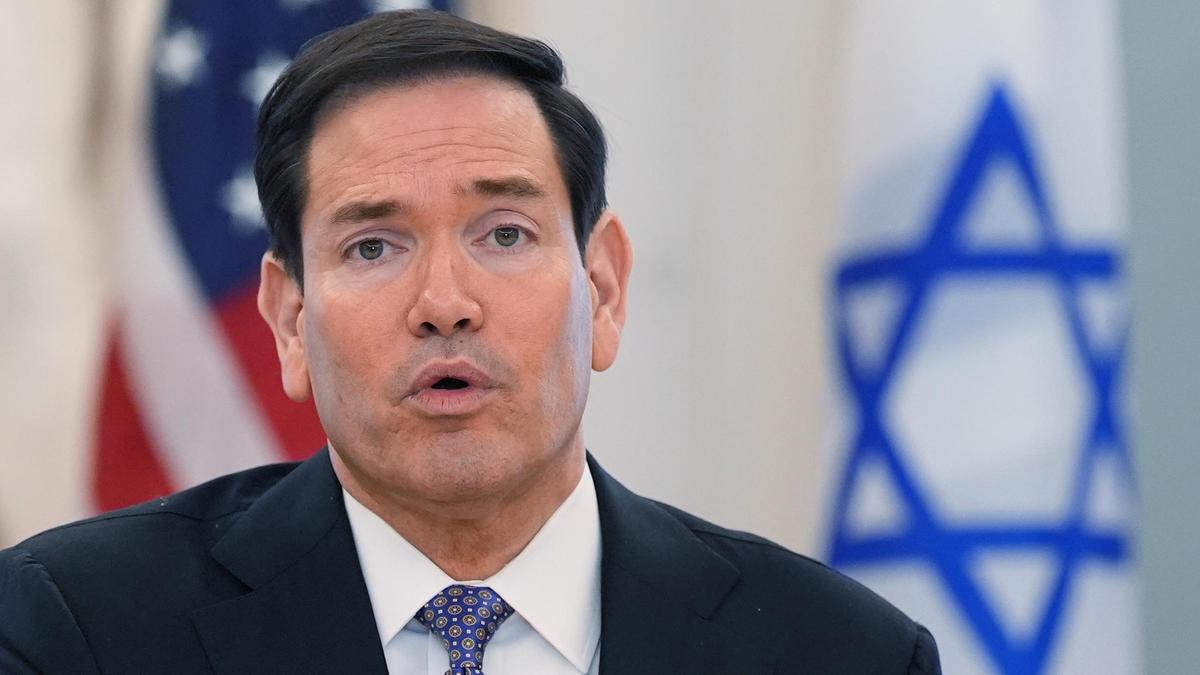
- Israeli and Lebanese delegations signed a framework agreement in Washington on June 26, with Secretary of State Rubio framing it as paving the way to 'lasting peace and security'; a month later, Trump hosted Lebanese President Aoun at the White House to reiterate the goal of disarming Hezbollah.
- The Lebanese constitution makes ratification nearly impossible: under the 1990 Taif Accords, decisions require endorsement by all major communities, and Shia parties have opposed the framework from the outset — the article pegs the probability of parliamentary approval at 'exactly zero.'
- Israel violated the November 27, 2024 ceasefire with Hezbollah more than 12,000 times in less than a year, while Hezbollah observed it for roughly 18 months until March 2026, a record that fuels the Lebanese joke: 'What does ceasefire mean in Hebrew? They cease, we fire.'
- Prime Minister Nawaf Salam quietly distanced himself from the process after Sunni backlash and pivoted toward Syria and Turkey; Lebanese army chief General Rodolphe Haykal was openly critical enough that the US asked Aoun to remove him.
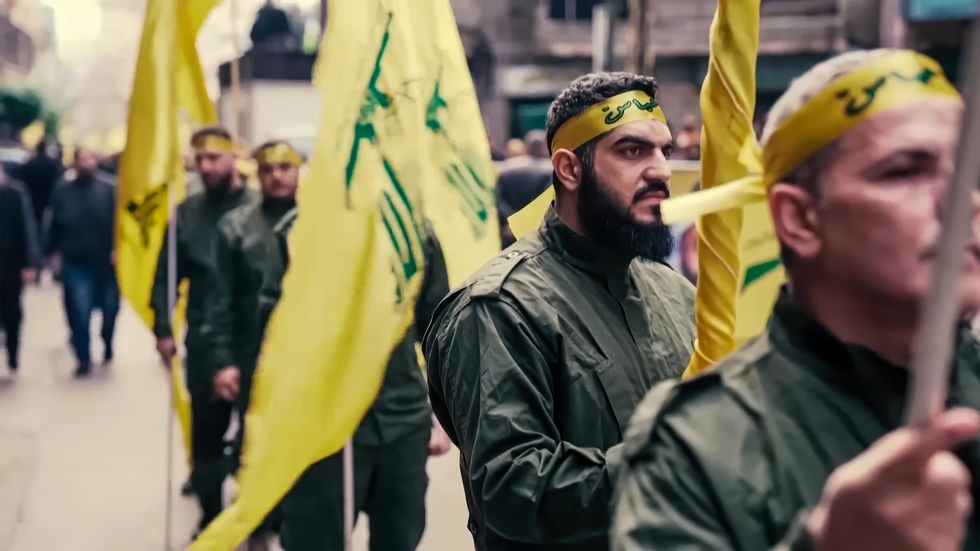
- Hezbollah won the 2025 municipal elections in every town where it fielded candidates, leading Western governments to pressure Lebanese parties into postponing spring 2026 parliamentary elections by two years.
- VP JD Vance diverges from Rubio's coercive top-down approach, favoring de-escalation with Iran and an agreement that keeps allied armed groups in check — a split inside the Trump administration over how to handle Tehran and Beirut simultaneously.
Why it matters: The deal's boosters — Rubio, Trump, Tel Aviv — are backing a process that requires Shia consent withheld from day one and parliamentary approval the source calls literally unachievable. The second-order cost: Lebanon's Western-backed leadership (Aoun, Salam) is losing domestic legitimacy by championing a deal no major constituency endorses, while Hezbollah — the supposed target — exits the 2025 municipal elections stronger than before.
Ask SkimNews