As extreme weather worsens, Black and Hispanic homeowners are paying more for insurance — SkimNews
Get the Energy newsletter
Daily energy & climate — solar, EVs, oil, the policy fights and tech bets shaping the transition. Free.
- Consumer Federation of America report (July) found homeowners in predominantly Hispanic ZIP codes pay on average 30% more ($950 annually) and Black ZIP codes pay 16% more ($500 annually) for identical home insurance policies compared with white communities.
- The disparities compound to at least $28,500 in additional insurance costs over a 30-year mortgage for Hispanic homeowners and $15,000 for Black homeowners, according to the analysis.
- Florida Hispanic ZIP codes showed the steepest gap at 58% more ($5,014 annually) for the same coverage, which Climate and Community Institute's Moira Birss called "unconscionable," while Michigan Black ZIP codes led at 74% more ($1,768 annually).
- Insurance Information Institute spokesman Mark Friedlander countered that premiums are actuarially grounded and risk-based, not racial, and that using race or proxies for race to set rates is illegal in every U.S. jurisdiction.
- CFA co-author Sharon Cornelissen said bias "can kind of creep in" through AI-driven proprietary pricing models and credit-score factors, noting that homeowners with lower credit scores pay a $1,996 annual penalty.
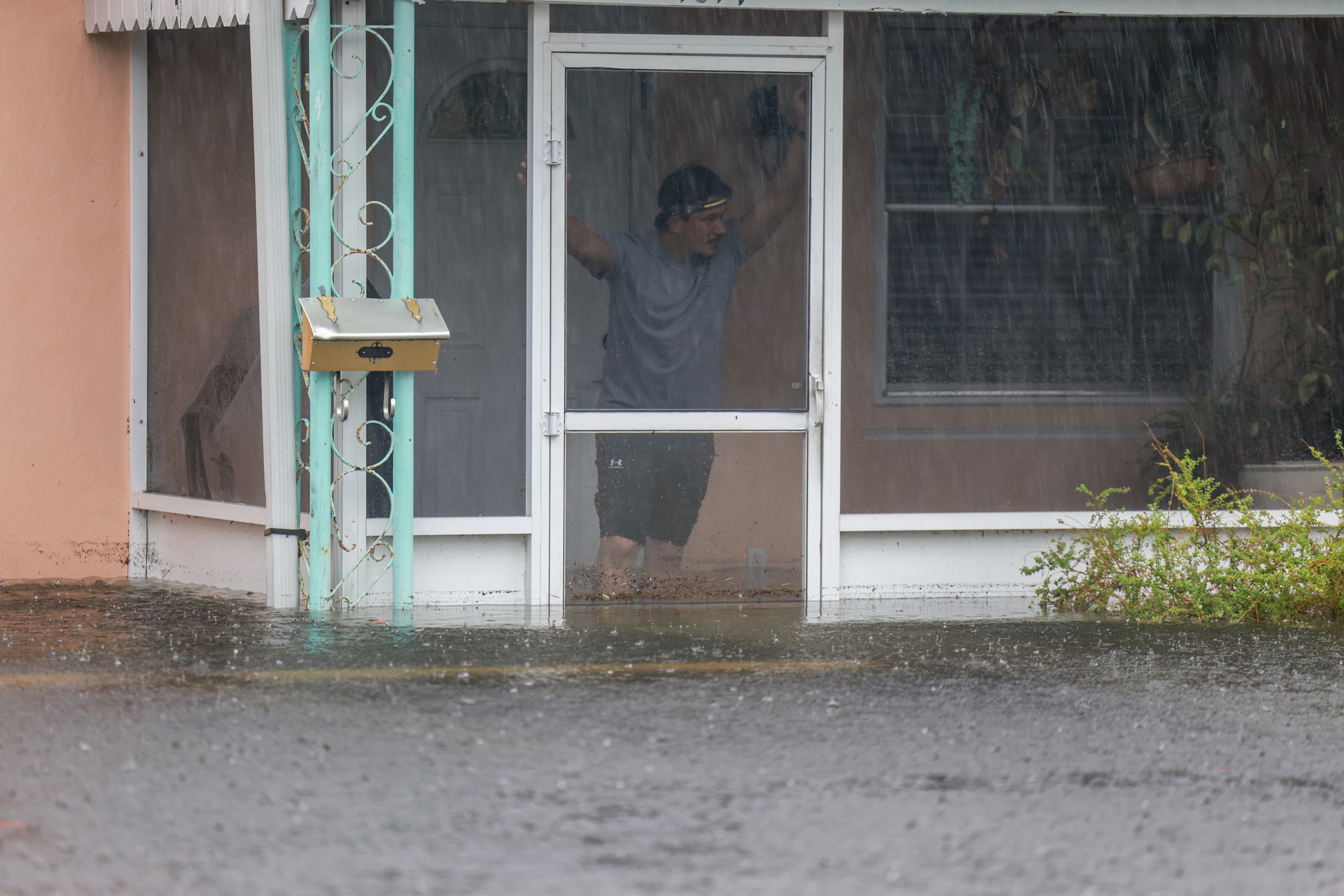
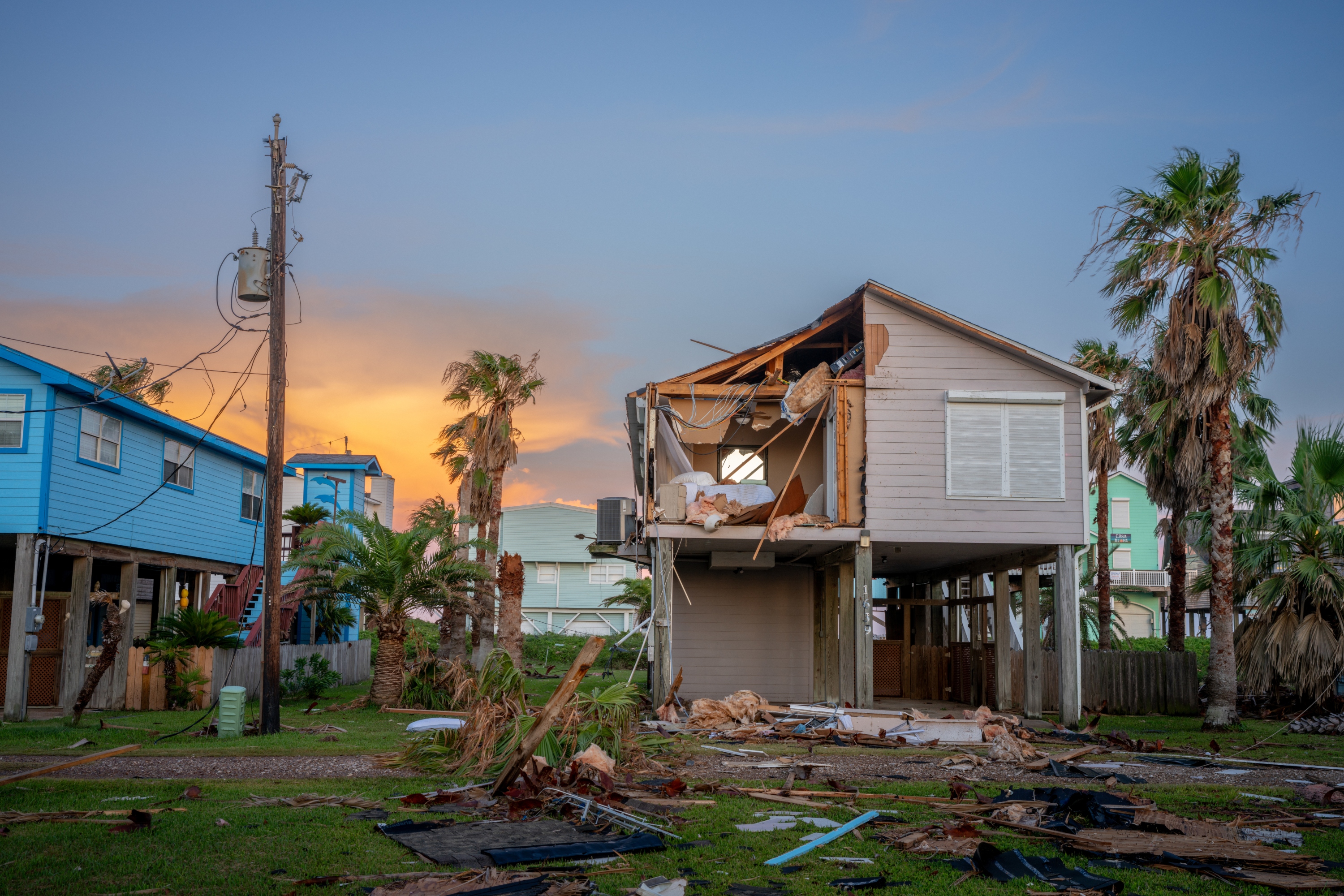
- Typical homeowner insurance costs jumped 24% between 2021 and 2024 as climate-driven disasters pushed insurers to raise rates, with fewer and more expensive options offered in communities of color, the report said.
Why it matters: Hispanic homeowners in Florida are absorbing $5,014 more per year for identical coverage, and the typical homeowner's insurance bill has climbed 24% in three years, meaning racial premium gaps widen precisely as climate-driven disasters make coverage less affordable overall. The CFA's call for state enforcement of fair housing laws targets regulators who must now weigh whether AI and credit-score pricing tools are producing the same disparate impact that redlining once did openly.
Ask SkimNews