Trump Announces Hormuz Strait Blockade — SkimNews

Get the Geopolitics newsletter
Daily geopolitics — wars, elections, sanctions, the diplomatic moves that move markets. Free.
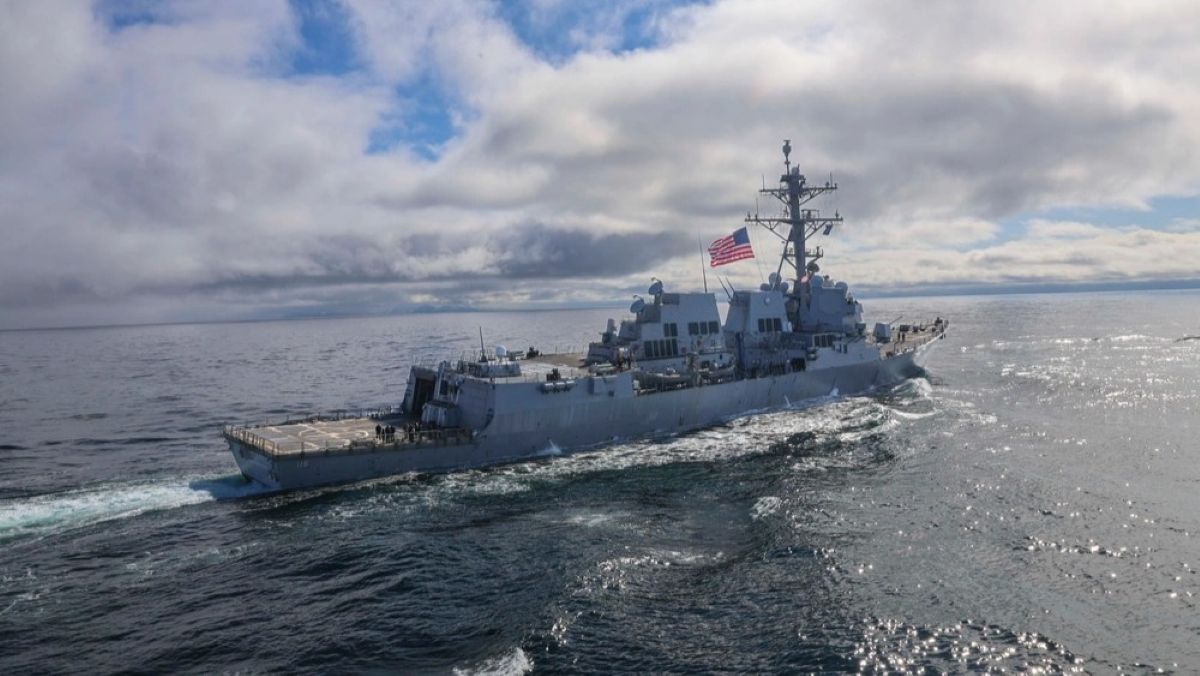
- President Trump announced a U.S. Navy blockade of the Strait of Hormuz, slated to begin on April 13, targeting vessels linked to Iranian ports.
- Iran has mined the strait and imposed a toll‑booth regime, demanding documentation and fees up to $2 million per ship for passage.
- U.S. Central Command reported that U.S. forces have started mine‑clearing operations, which Tehran says breaches the ceasefire.
- International Maritime Organization secretary‑general called Iran’s toll regime illegal under international law and urged nations not to pay.
- United Kingdom said it would not join a blockade, but is coordinating with France and other partners on a multilateral freedom‑of‑navigation coalition.
- United Nations Security Council adopted Resolution 2817 (2026) deploring attacks on ships in the strait and reaffirming the right of free passage.
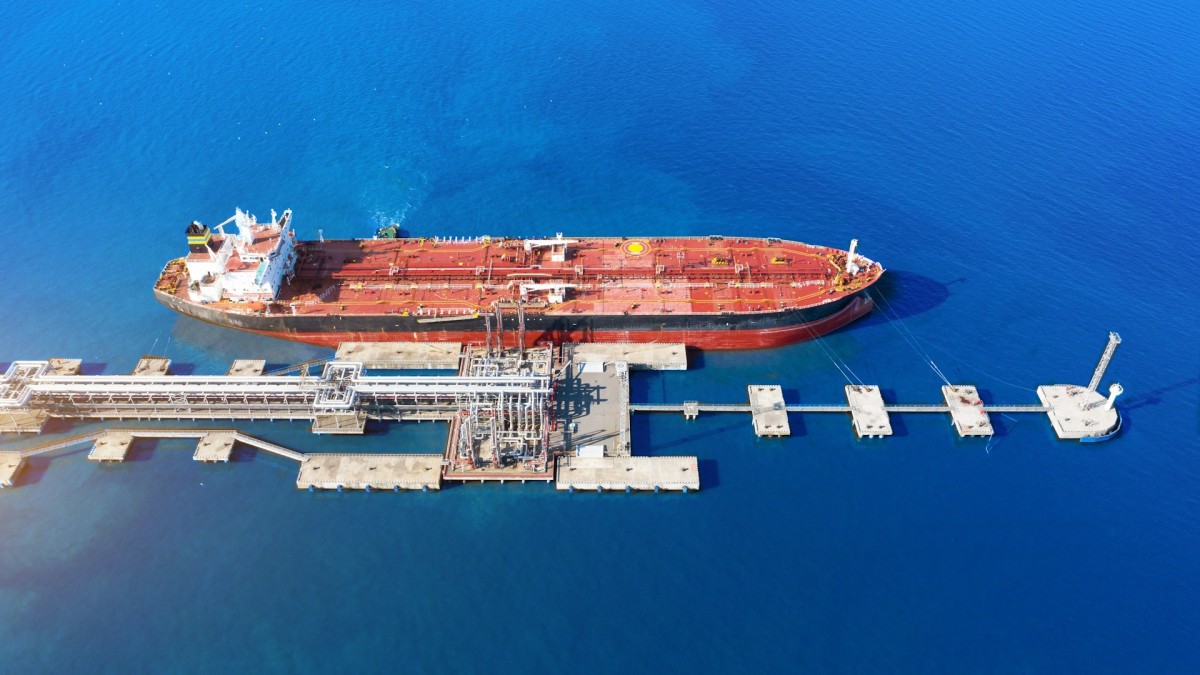
- Strait of Hormuz carries about 20 % of global oil and LNG shipments, and Brent crude rose above $120 per barrel after the strait’s closure.
Why it matters: The blockade threatens the strait that moves roughly 20 % of world oil and LNG, driving Brent crude above $120 per barrel and jeopardizing food and fertilizer imports for Gulf states, while the U.S. lacks allied backing and faces legal challenges under UNCLOS and a recent UN Security Council resolution.
Ask SkimNews