How Wimbledon Almost Moved to Dublin — SkimNews
Get the Sports newsletter
Daily sports — scores, transfers, the storylines from the leagues you actually follow. Free.
- Tommy Higgins assembled an Irish consortium — including U2 manager Paul McGuinness, pundit Eamon Dunphy, and businessman Maurice Cassidy — to bid £6m for 74% of Wimbledon after reading of chairman Sam Hammam's stadium impasse with Merton Council.
- Sam Hammam halted all contact after 18 months of talks and later sold 80% of Wimbledon to Norwegian buyers Bjorn Rune Gjelsten and Kjell Inge Rokke for £26m — more than four times the consortium's offer — while Higgins still holds the unsigned contract in his files.
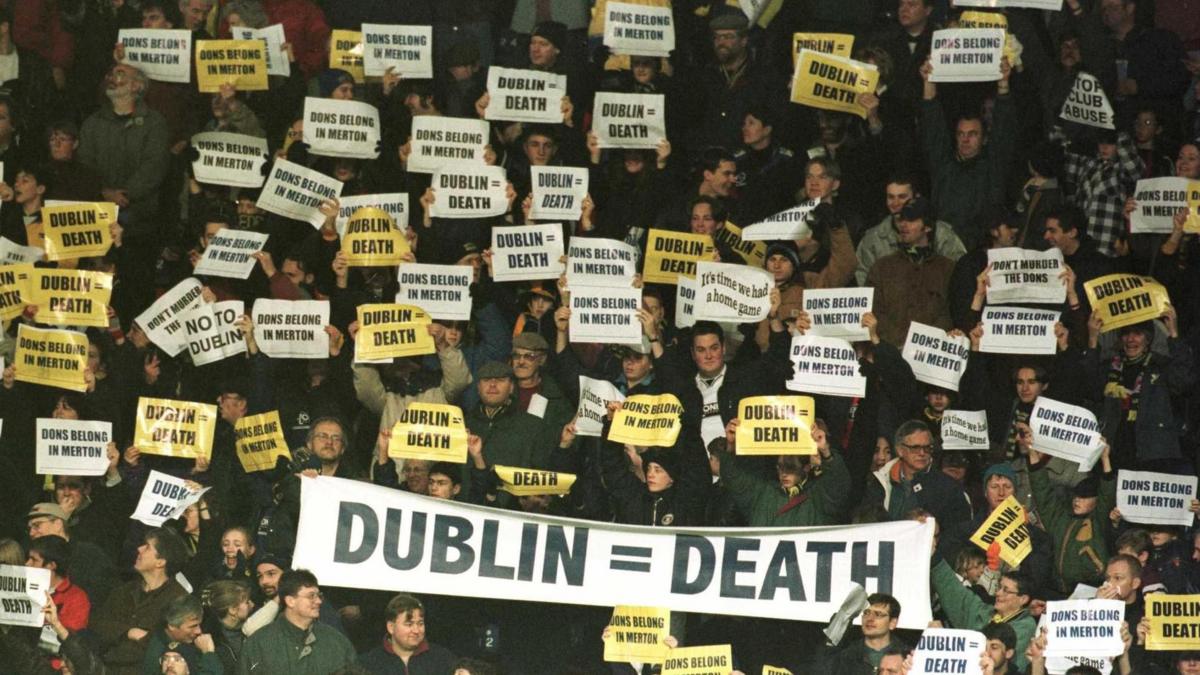
- Wimbledon supporters fiercely opposed the relocation, with long-time fan Ivor Heller printing placards that bluntly read 'Dublin = Death' for display at Selhurst Park, where the consortium publicly revealed itself on the opening day of the 1996-97 Premier League season.
- The Football Association of Ireland rejected the plan over fears it would kill the domestic League of Ireland; Higgins, now chairman of Sligo Rovers, argues the FAI's narrow thinking let rugby and the GAA dominate Irish sports sponsorship and TV revenue in the decades since.
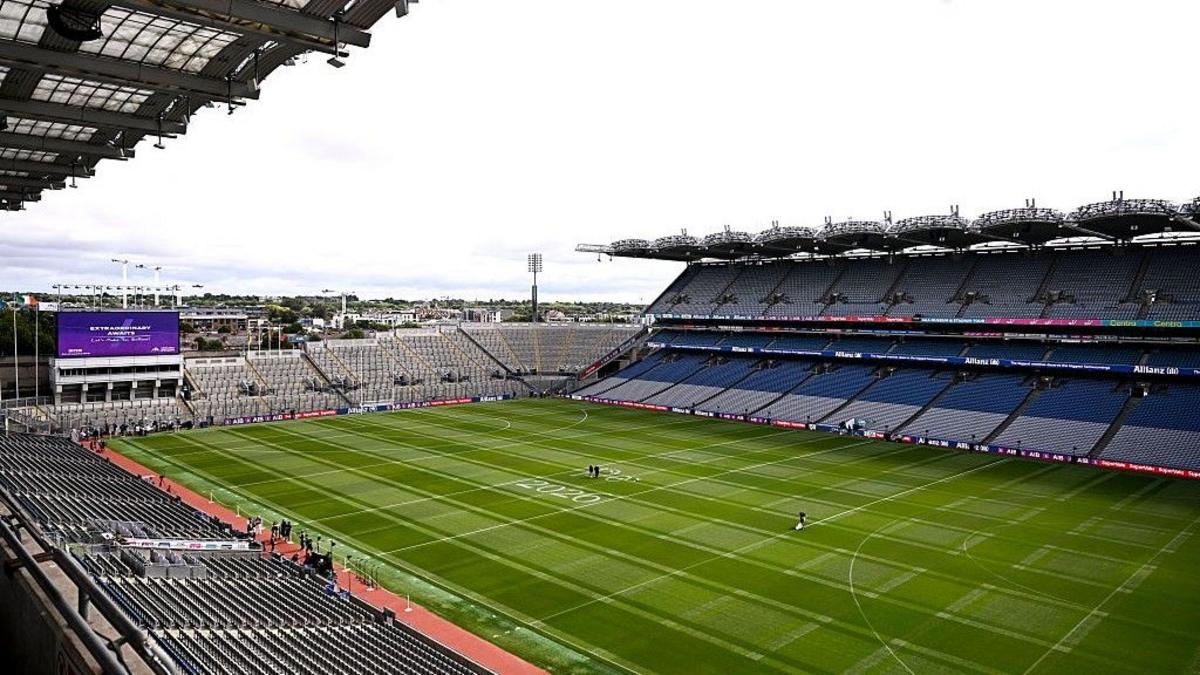
- The consortium's pitch hinged on Owen O'Callaghan's planning permission for a 40,000-seater stadium on Dublin's outskirts that needed an anchor tenant; a shopping centre now sits on the site where the Premier League ground was to be built.
- Wimbledon ultimately moved to Milton Keynes in 2004, sparking fans to found AFC Wimbledon that same year — starting in the ninth tier of English football and now a League One side back at their spiritual home of Plough Lane.
- Dublin-born defender Kenny Cunningham, who joined Wimbledon from Millwall in 1994, told sceptical English team-mates that Dublin was 'a good night out,' recalling the era when manager Joe Kinnear had the FA Cup winners firmly established in the top flight.
Why it matters: The consortium's £6m bid for 74% was dwarfed by Hammam's subsequent £26m sale of 80%, meaning Wimbledon was undervalued by roughly a factor of four — and the FAI's refusal arguably cost Irish football not just a club but a transformative moment, as Higgins argues rugby and the GAA have since captured the TV and sponsorship windfall a Dublin Premier League side would have attracted.
Ask SkimNews