Iran Tells Houthis to Prepare Red Sea Blockade — SkimNews

Get the Geopolitics newsletter
Daily geopolitics — wars, elections, sanctions, the diplomatic moves that move markets. Free.
- Iran has asked Yemen's Houthi movement to stand ready to close the Red Sea oil route if the US strikes Iranian power infrastructure, three sources told Reuters on July 16, 2026, with the request discussed within Iran's leadership and conveyed to Houthi allies.
- Houthis have completed preparations to attack shipping, deploying missiles and drones near Bab el-Mandeb strait overlooking Hodeidah and the Gulf of Aden, and are awaiting the order to begin, a source close to the group said.
- Iran's IRGC representatives already in Yemen will control the timing of any Bab el-Mandeb closure, according to a source close to the Houthis, making the Red Sea threat a directly commanded Tehran lever rather than autonomous Houthi action.
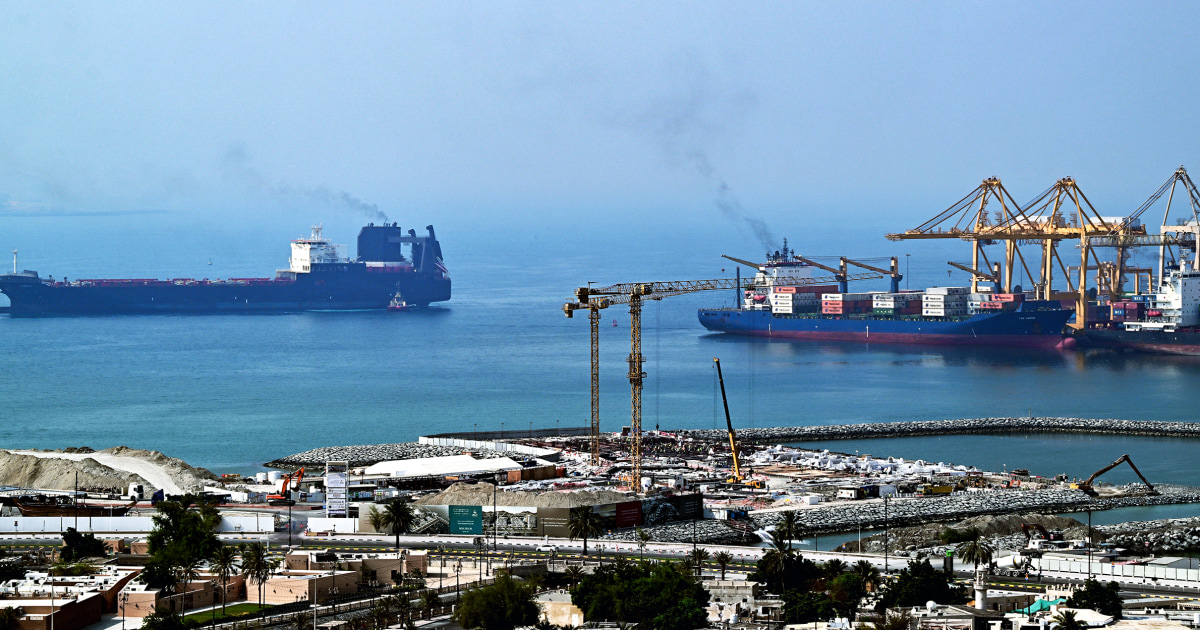
- A simultaneous Strait of Hormuz and Red Sea closure would disrupt the Middle East's two main oil export routes, with the Red Sea now carrying around 7% of global energy supplies after Gulf oil was rerouted through a Saudi pipeline.
- Saudi Arabia has diverted 70% of its energy exports through the Red Sea port of Yanbu and now faces direct exposure; the Houthis fired missiles at the kingdom after accusing it of bombing a Houthi-controlled airport, breaking a four-year truce.
- The broader conflict began February 28, 2026, when Israel and the US attacked Iran, prompting Tehran to shut the Strait of Hormuz; a fragile June truce between Tehran and Washington has since collapsed.
Why it matters: Saudi Arabia, which now routes 70% of its energy exports through the Red Sea port of Yanbu, would bear direct exposure from any Houthi closure — and the kingdom is already confronting a broken four-year truce after the Houthis fired missiles in retaliation for airstrikes on a Houthi-controlled airport. With IRGC personnel on the ground in Yemen controlling the decision, the Red Sea threat operates as a direct Tehran-controlled second front against US power-grid strikes.
Ask SkimNews