Ukraine chokes fuel to Crimea, Russian consumers, targeting military supply — SkimNews

Get the Geopolitics newsletter
Daily geopolitics — wars, elections, sanctions, the diplomatic moves that move markets. Free.
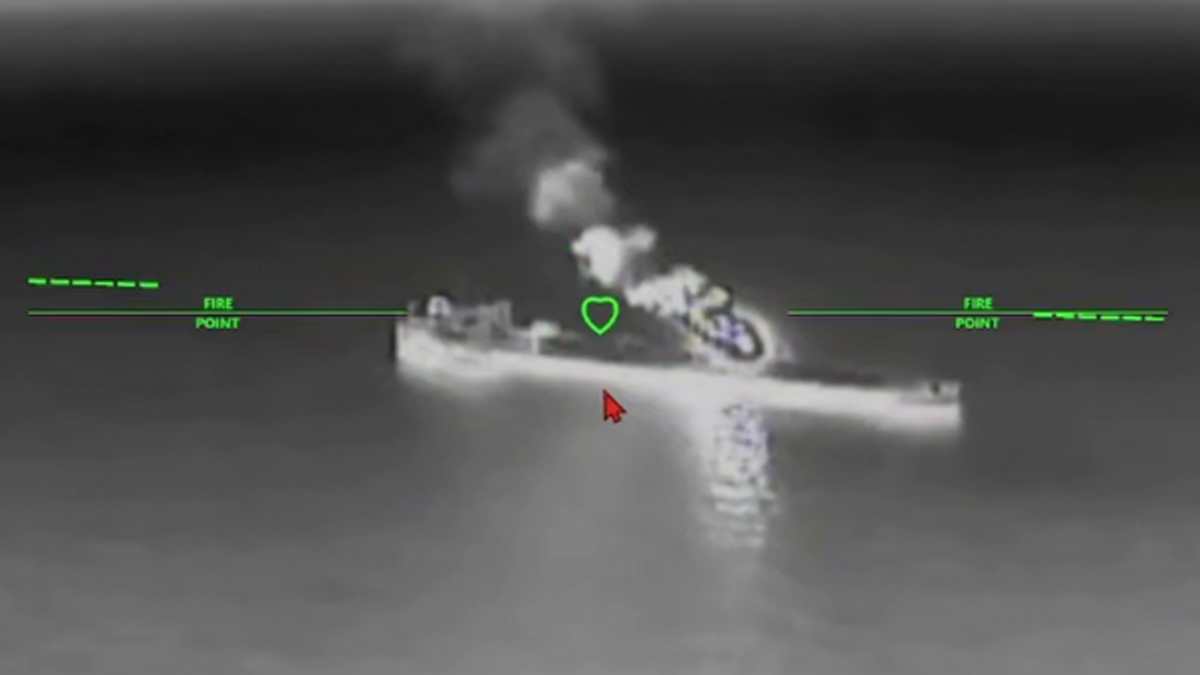
- Ukraine's Unmanned Systems Forces struck 19 Russian tankers, a cargo ship, and a ferry between July 6 and 8, targeting shadow vessels rerouted to supply occupied Crimea after overland routes were cut.
- Ukraine struck the Omsk refinery in Siberia for the first time — Russia's largest, 2,500km from the border — alongside the Slavneft Yanos refinery in Yaroslavl and Ust-Luga on the Baltic; Russia's defense ministry said it intercepted 613 of 625 overnight drones.
- Crimea is in crisis: fuel sales to civilians have halted in Sevastopol, more than a dozen regions face electricity blackouts, and strikes destroyed seven Sukhoi jets and two Shahed drone sheds at Saky plus the Kerch oil transhipment terminal.
- Zelenskyy told the FT that disabling the Novorossiysk oil offloading terminal forced Russia to rely on sea tankers for Crimea, and said sustained drone strikes on Moscow aim to pressure Putin to "move somewhere beyond the Urals."
- Ukraine's Air Force says Russia has lost 42.7% of refining capacity and suffered $13.5bn in oil infrastructure damage over the past year, leaving urban consumers queuing to fill their cars.
- Trump at the NATO summit in Ankara said he would license Ukraine to produce Patriot interceptors; Zelenskyy separately announced FREYA, a Ukrainian-designed anti-ballistic system he pitched as faster and cheaper than US systems.
- The Institute for the Study of War estimated Russia gained only 30 sq km in June — versus Putin's generals' claimed 636 sq km — and assessed Russian forces hold just 2.4% of Kupiansk and 37% of Kostiantynivka, mostly via infiltrations.
Why it matters: ISW assessments of geolocated footage sharply contradict Putin's generals, who claimed 636 sq km of June gains versus ISW's 30 sq km estimate. For Russian civilians, the consequences are immediate: Ukraine says Russia has lost 42.7% of refining capacity and $13.5bn in oil infrastructure damage, leaving urban consumers queuing at fuel pumps.
Ask SkimNews