EU warns as Indonesia, Philippines buy Russian oil — SkimNews
SkimNews Take
Middle East instability over the Strait of Hormuz is quietly creating the same demand pull that sanctions enforcement tries to prevent, as Southeast Asian buyers prioritize affordable supply over alignment with Brussels.
Get the Geopolitics newsletter
Daily geopolitics — wars, elections, sanctions, the diplomatic moves that move markets. Free.
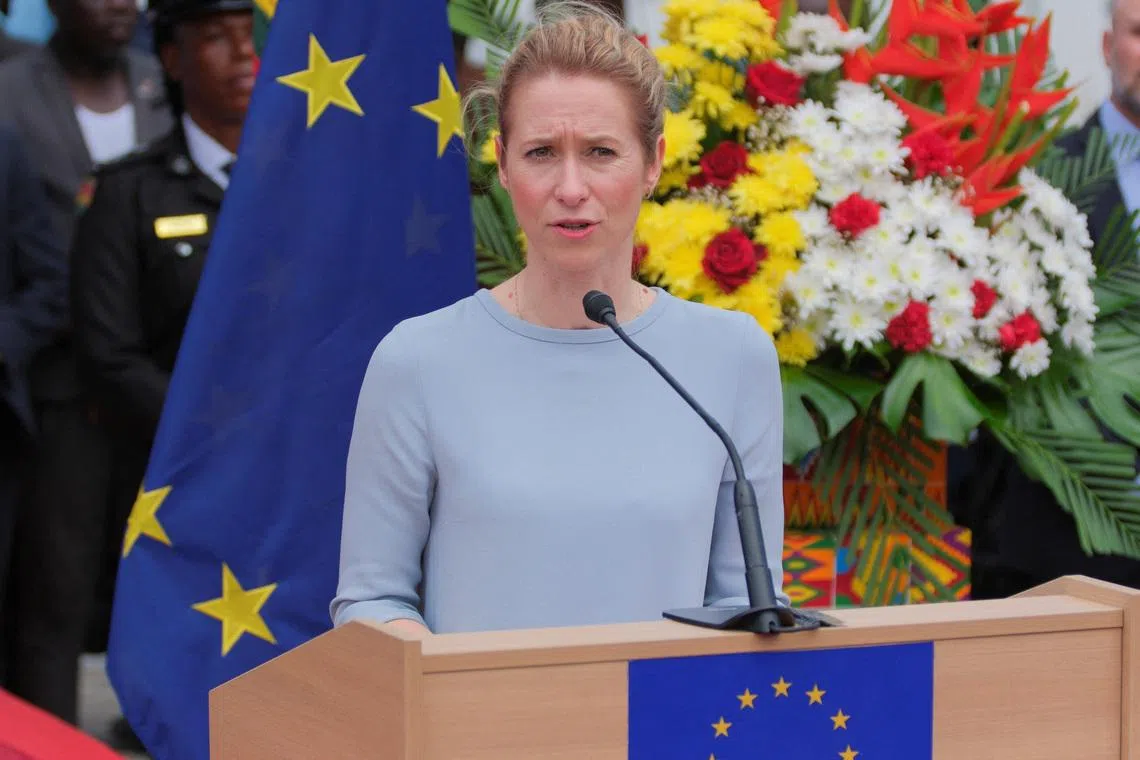
- EU foreign policy chief Kaja Kallas warned ASEAN ministers in Brunei that buying Russian oil would fund Moscow’s war in Ukraine and that the EU aims to shrink Russian oil revenues.
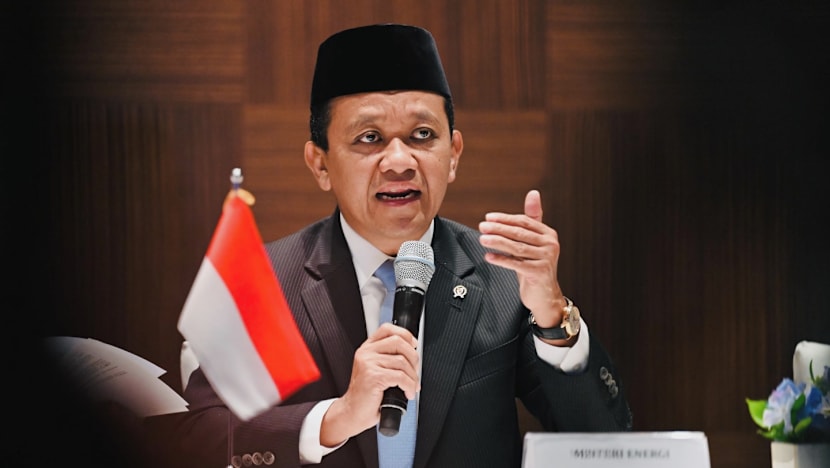
- Indonesia announced plans to import about 150 million barrels of Russian crude in 2026 after President Prabowo Subianto’s visit to Moscow.
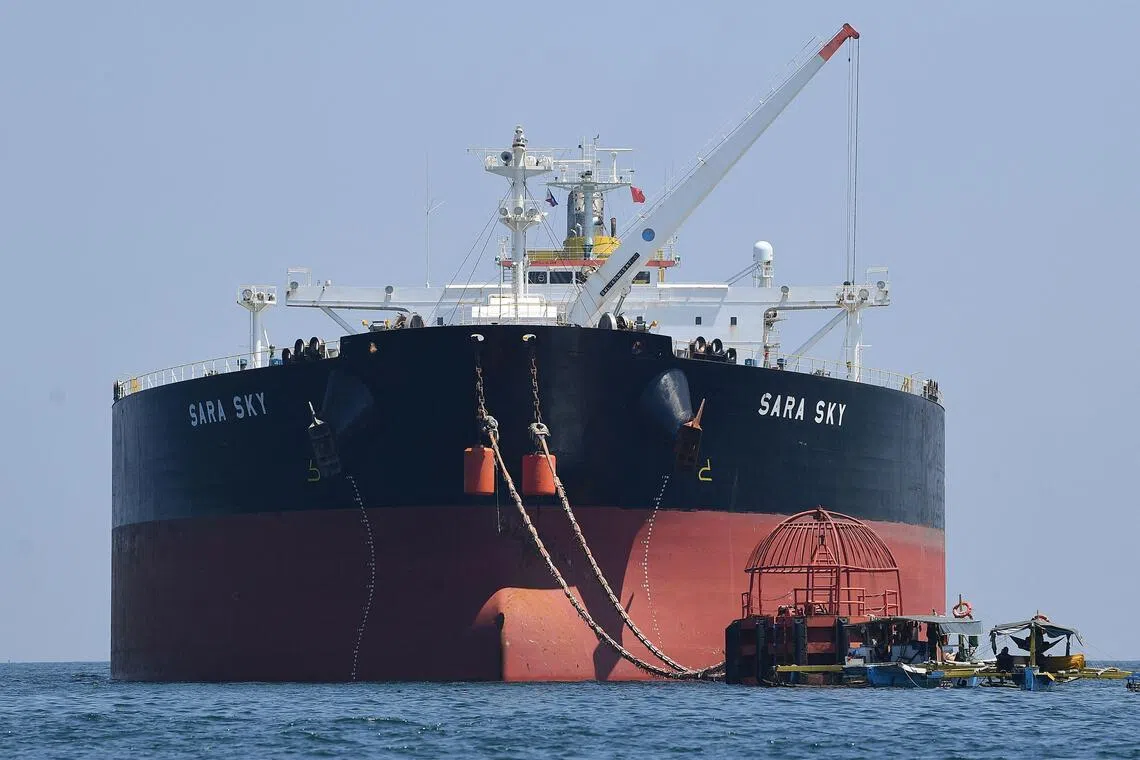
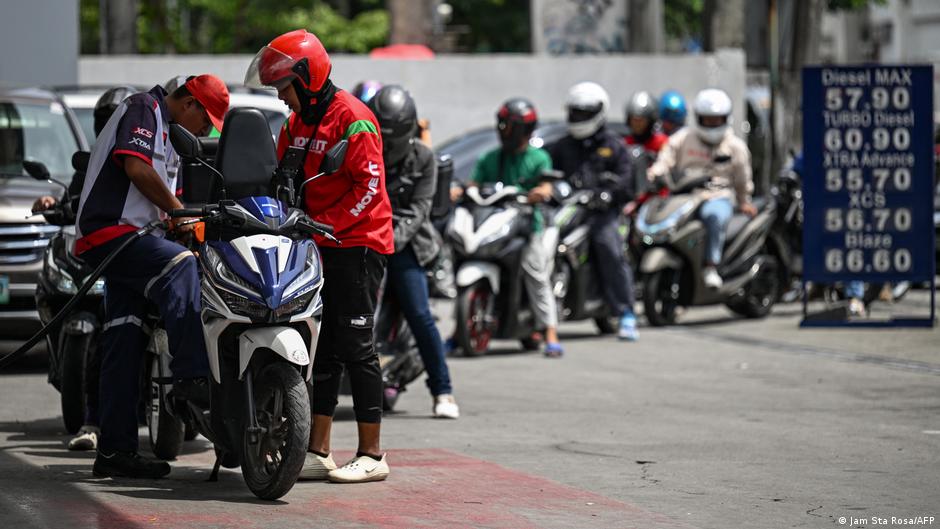
- Philippines received its first Russian crude shipment in five years in March 2026 and is seeking a U.S. sanctions waiver to continue purchases.
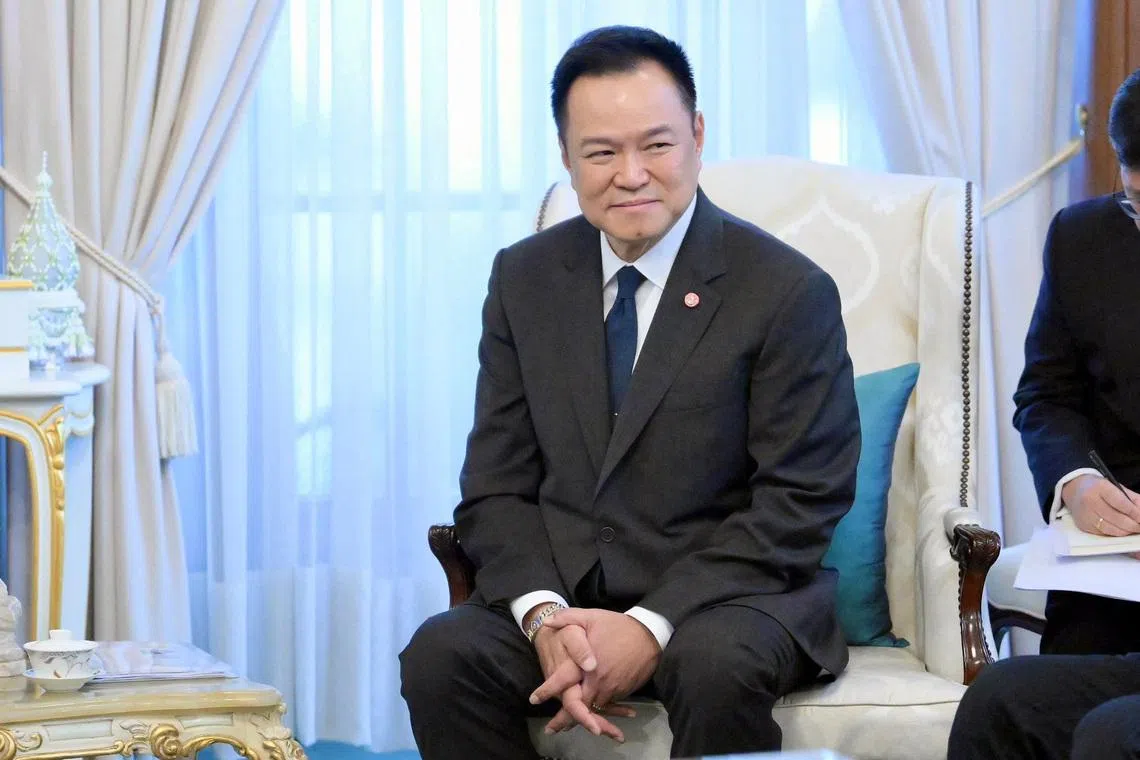
- Thailand is exploring Russian fertilizer and agricultural inputs, while Vietnam is seeking alternative fuel supplies after China and Thailand limited refined fuel exports.
- Strait of Hormuz flows fell from roughly 20 million barrels per day to a trickle due to the US‑Israel war with Iran, making Russia’s non‑Hormuz export routes attractive to Southeast Asia.
Why it matters: Russia gains revenue to fund its Ukraine war, while Southeast Asian economies secure critical fuel to avoid protests; the EU loses leverage over Russian oil sales and risks alienating a fast‑growing market.
Ask SkimNews