FAW Jiefang completes 15,000 km sodium battery truck — SkimNews
SkimNews Take
Choosing heavy-duty trucking as sodium-ion's first major field test exploits fixed routes and fleet cost discipline as a natural stress test — passing 15,000+ km in real conditions builds the operating data that passenger EV skeptics have lacked.
Get the Energy newsletter
Daily energy & climate — solar, EVs, oil, the policy fights and tech bets shaping the transition. Free.
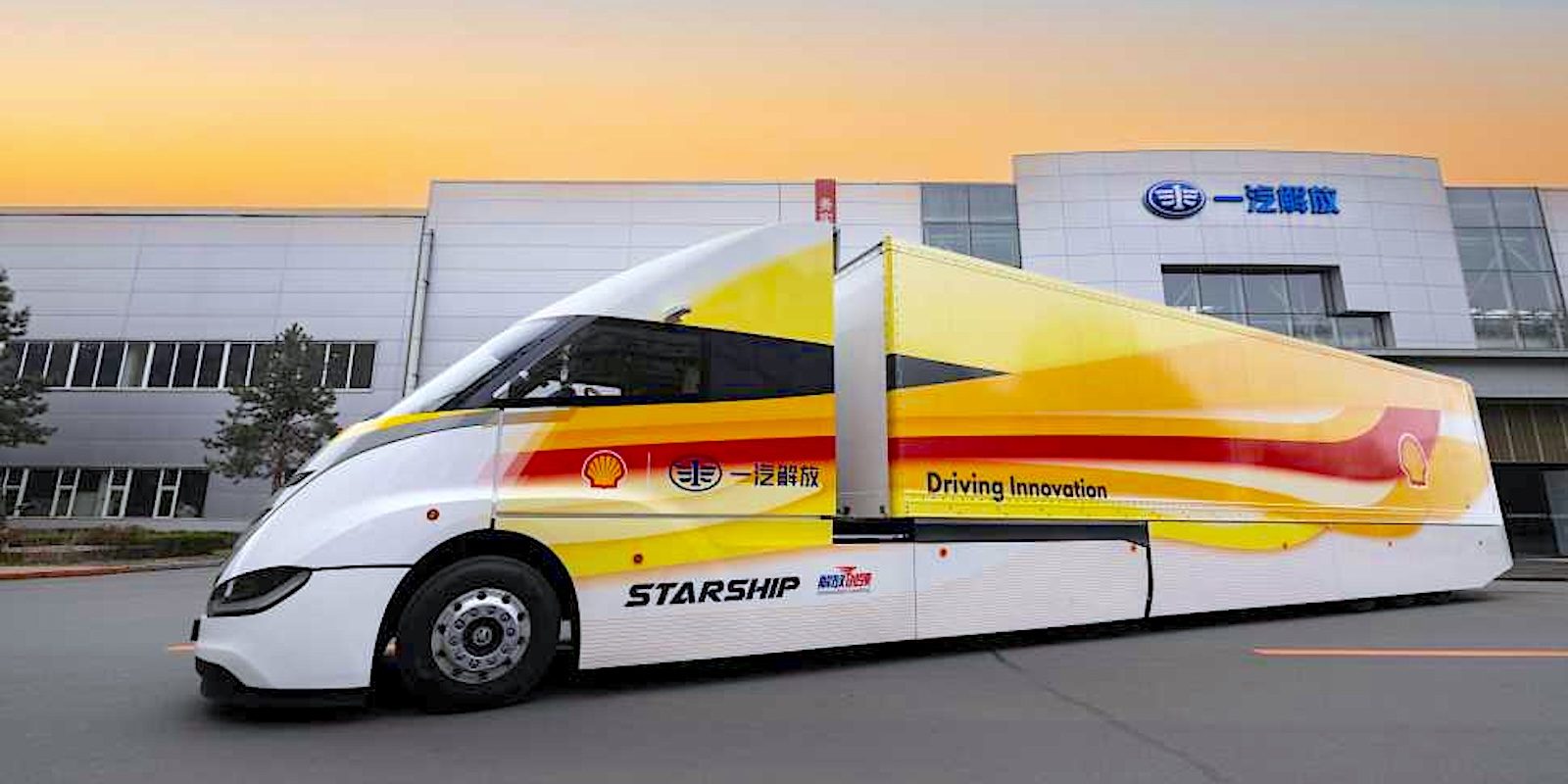
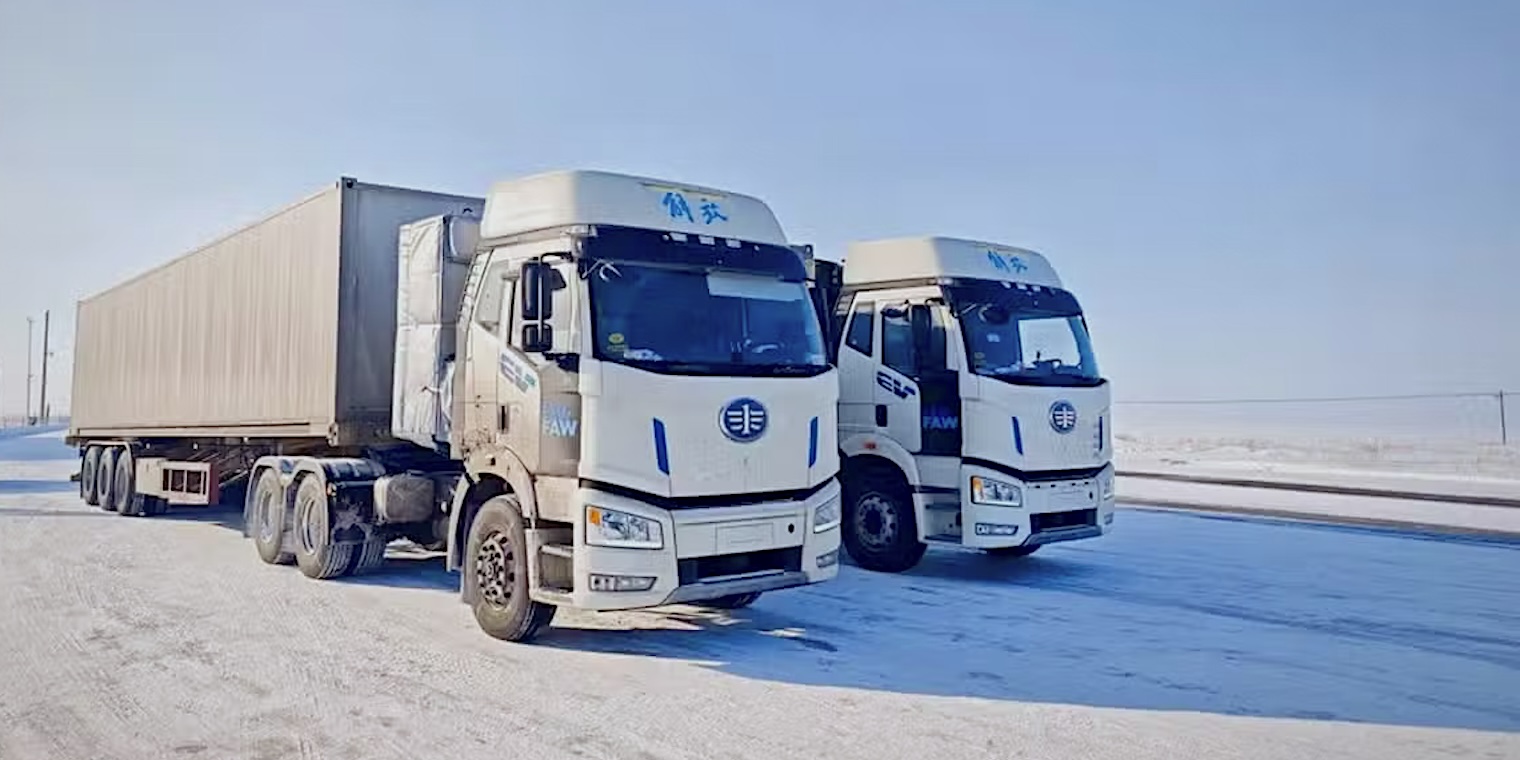
- FAW Jiefang completed a ~7-month, 15,000+ km real-world test of electric heavy trucks running sodium-ion battery packs in extreme heat and cold, continuous service-style operations rather than lab cycles
- Zhongke Haina co-developed the 339 kWh sodium-ion pack, which retained more than 90% of usable capacity at -40°C and fully charges in 20–25 minutes with a cycle life exceeding 8,000 cycles under fast charging
- CATL has committed more than $700 million to build a 40 GWh annual sodium battery production capacity plant in Fujian, placing it directly in the commercialization race
- BYD claims it has developed a long-life sodium battery rated for more than 10,000 charging cycles, raising the competitive bar
- Zhongke Haina cited the battery's milder chemical system and thermal stability as well-suited to commercial trucking demands of high-frequency heavy loads and all-weather operation
Why it matters: Sodium-ion batteries use more abundant, cheaper materials than lithium-ion, and a successful heavy-truck validation at 15,000+ km and -40°C directly challenges lithium's dominance in commercial EVs. With CATL committing $700M+ to a 40 GWh sodium plant and BYD claiming 10,000-cycle durability, the cost-performance balance for commercial fleet electrification is tilting toward a non-lithium chemistry within China's domestic supply chain.
Ask SkimNews