Bangladesh Courts China as India Tries to Reset Ties
Get the Geopolitics newsletter
Daily geopolitics — wars, elections, sanctions, the diplomatic moves that move markets. Free.
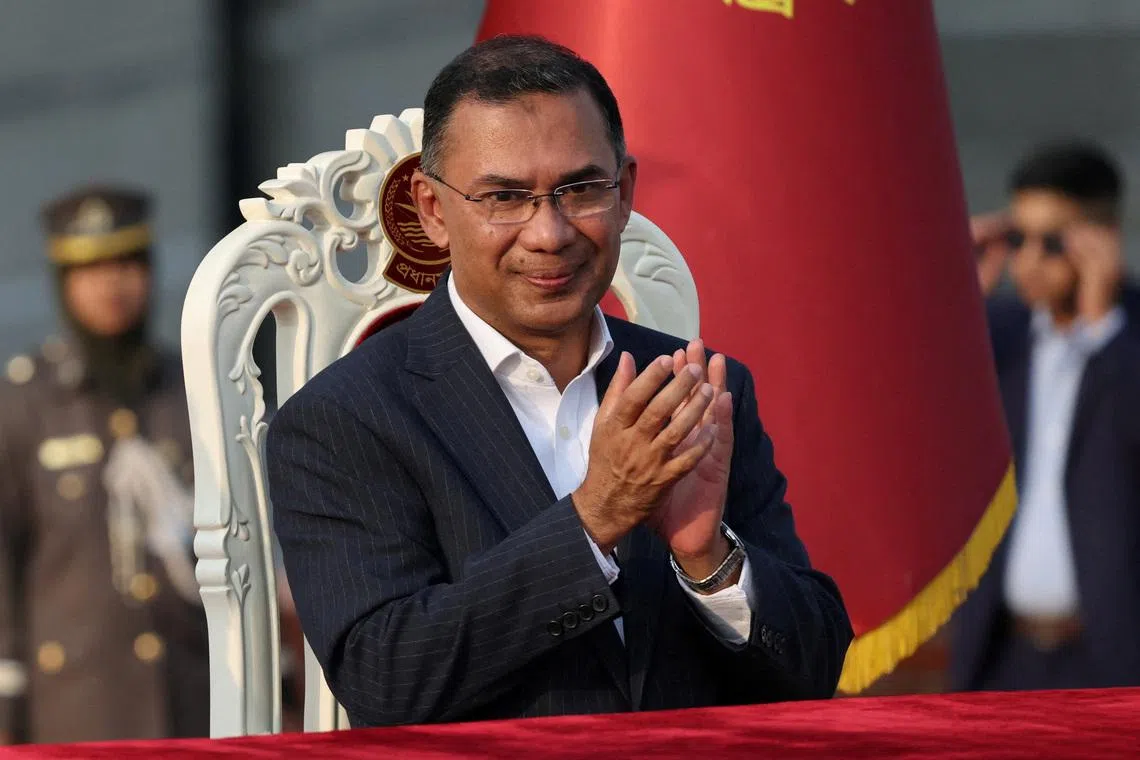
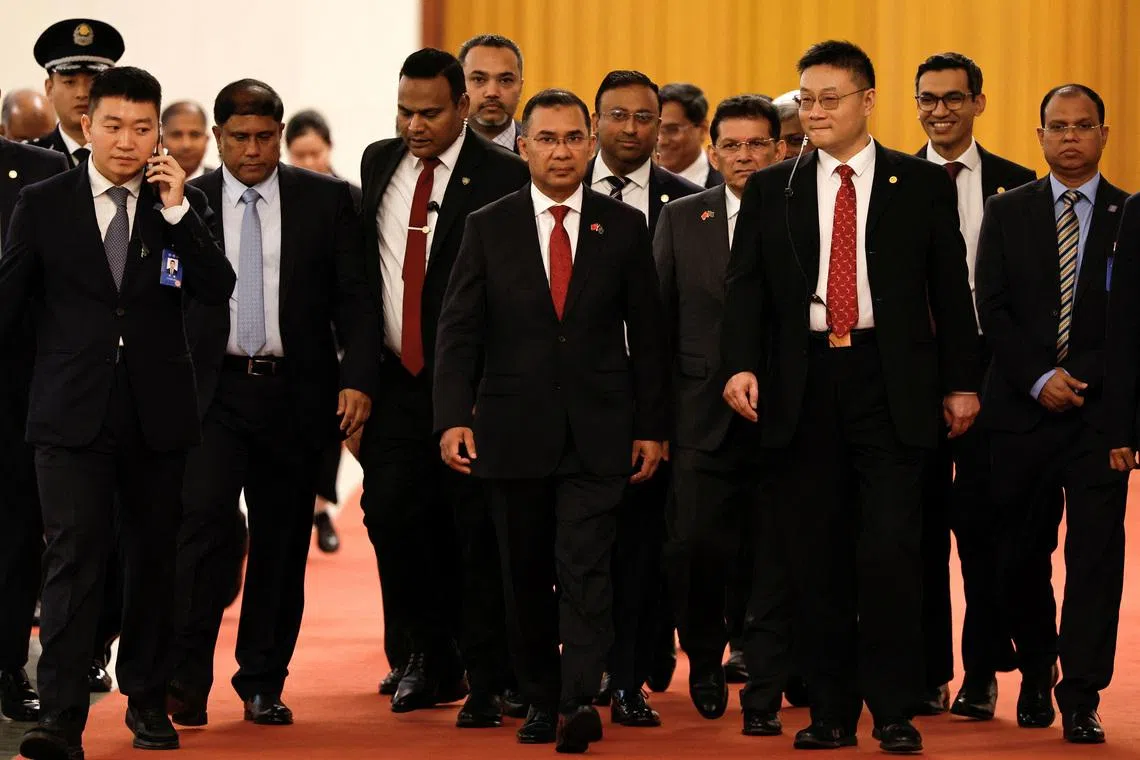
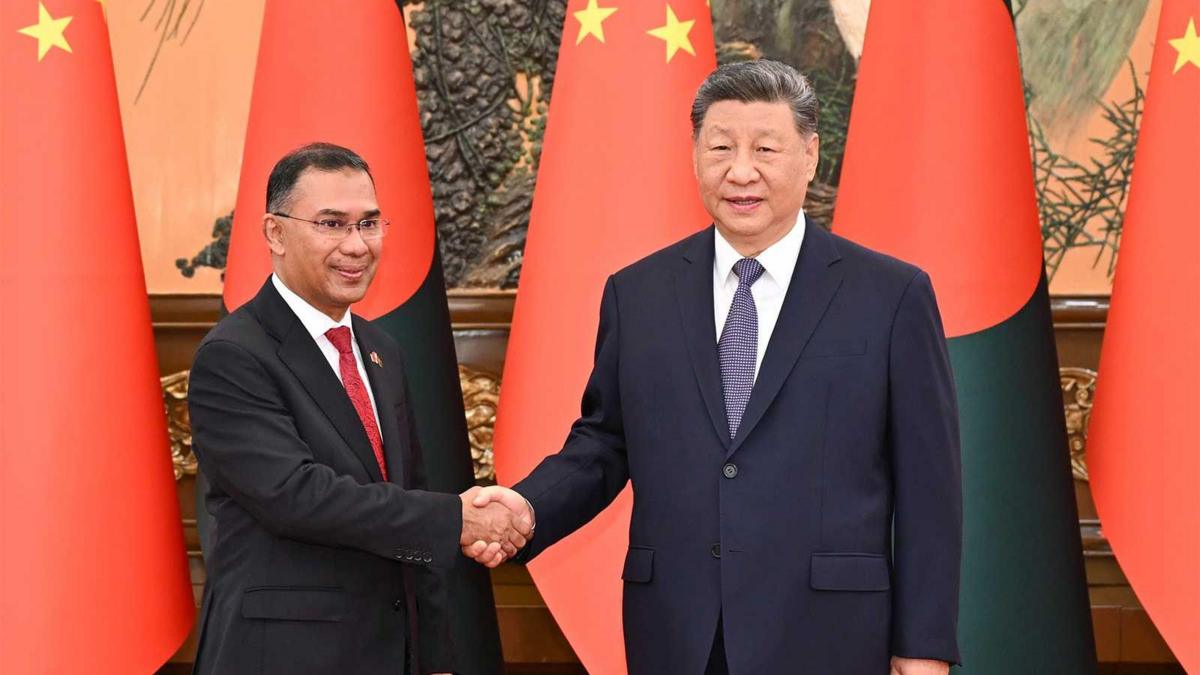
- Tarique Rahman chose China for his first overseas visit last month after his Bangladesh Nationalist Party's landslide February win, with the China leg seen as the more significant signal of Dhaka's strategic recalibration.
- Agreements with Beijing include a joint Teesta River technical feasibility study and a special economic zone near Mongla port — both moves India is watching warily.
- India has responded with its own reset gestures: partial resumption of passenger bus services, emergency fuel shipments via the Friendship Pipeline, and elevating new High Commissioner Dinesh Trivedi to cabinet rank.
- Despite political strains, India-Bangladesh trade stood at roughly £13bn last year, mostly in India's favor, even as the two sides imposed tit-for-tat trade restrictions under the interim Yunus government.
- China already supplies more than 70% of Bangladesh's arms imports and is owed more than $6bn by Dhaka, per the source.
- India's core concern: any Chinese role in the Teesta project would bring Beijing close to the Siliguri 'Chicken's Neck' — the 22km corridor linking India's mainland to its seven northeastern states.
- Bangladeshi officials counter that Delhi bears blame — previous governments invited India to join Teesta, but India took too long to decide, while deposed PM Sheikh Hasina remains sheltered in New Delhi.
Why it matters: Bangladesh's pivot to China on the Teesta project — infrastructure near India's vulnerable 22km Siliguri Corridor — hands Beijing strategic ground in New Delhi's backyard. Dhaka justifies the move by noting Delhi stalled Teesta decisions for years, leaving PM Rahman to balance both giants without fully alienating either.
Ask SkimNews