US, Iran Open Highest-Level Talks Since 1979 in Islamabad — SkimNews
Get the Geopolitics newsletter
Daily geopolitics — wars, elections, sanctions, the diplomatic moves that move markets. Free.
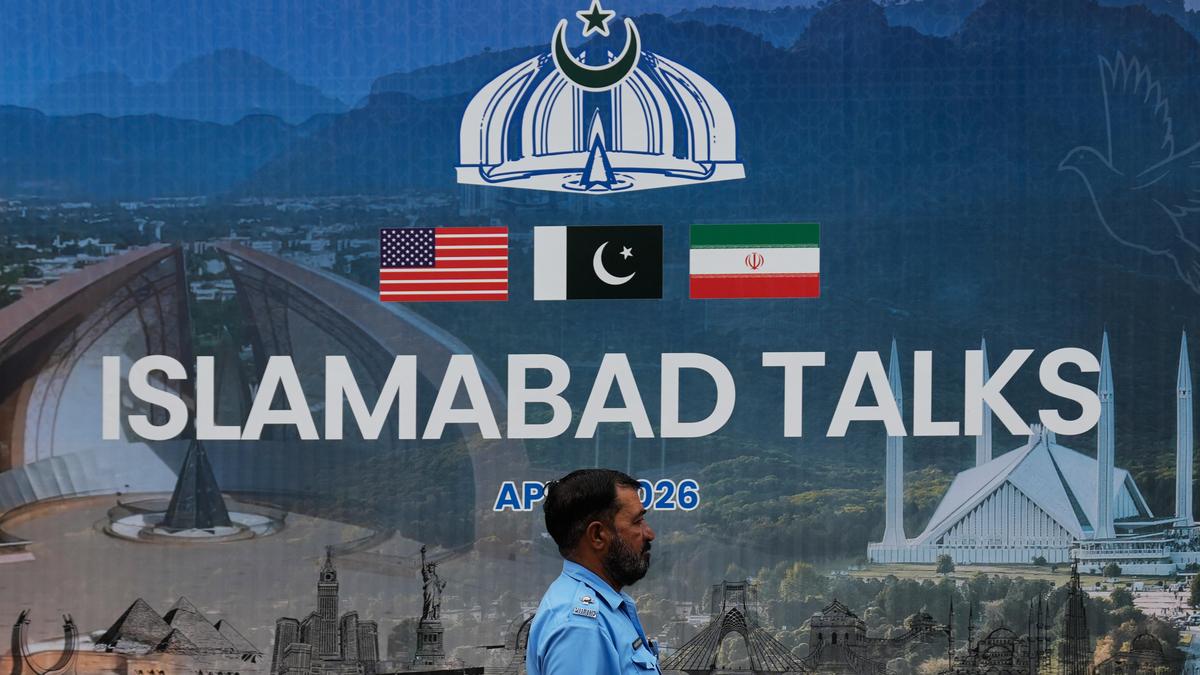
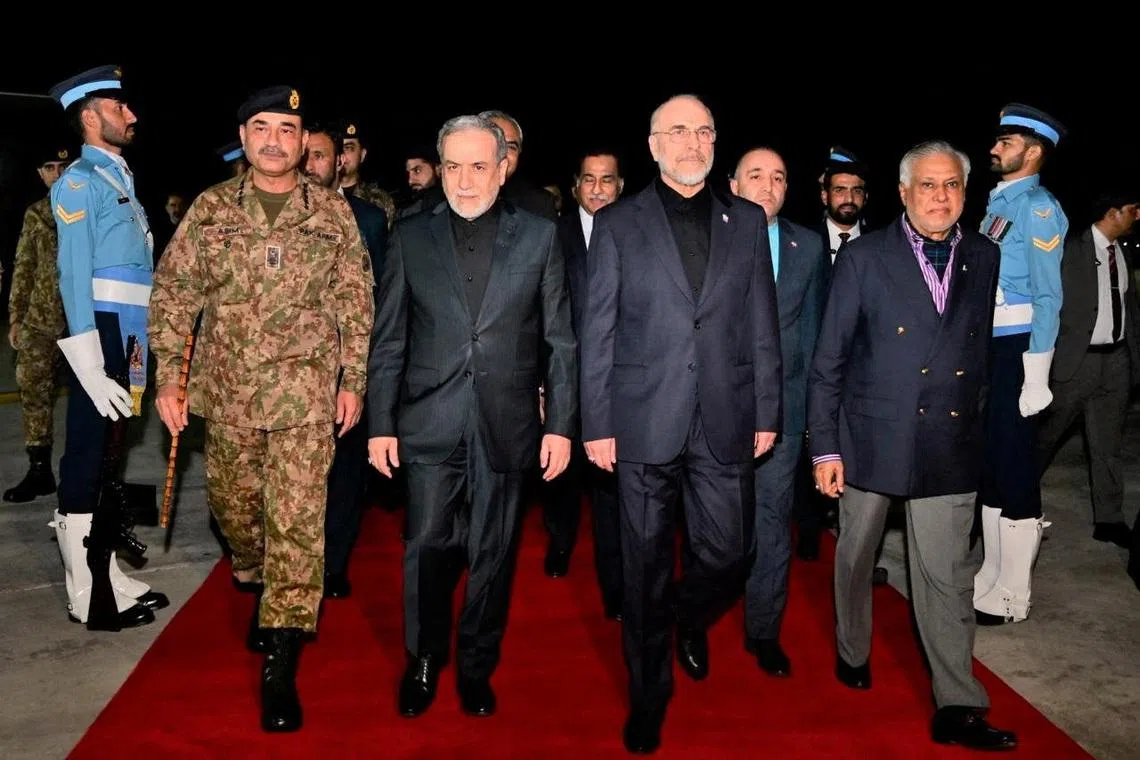
- JD Vance led the US delegation — including envoy Steve Witkoff and Jared Kushner — to Islamabad for the highest-level US-Iran talks since the 1979 Islamic Revolution and the first official face-to-face since the 2015 nuclear deal, though Iranian parliamentary Speaker Mohammad Baqer Qalibaf said negotiations could not begin without US pledges on a Lebanon ceasefire and sanctions relief.
- Trump posted on social media that 'the only reason' Iranians 'are alive today is to negotiate,' claiming they 'have no cards' beyond short-term Strait of Hormuz extortion, while Vance warned Tehran would find a 'not that receptive' team if it 'plays us.'
- Iran's new Supreme Leader Ayatollah Mojtaba Khamenei, yet to appear publicly since succeeding his father (killed at the war's start six weeks ago), said Iran would demand compensation for wartime damage and would not leave the 'criminal aggressors' unpunished.
- Tehran's demands include ending years of crippling sanctions and formal acknowledgment of Iranian authority over the Strait of Hormuz, where Iran aims to collect transit fees and control access — a major shift in regional power.
- Israel and Lebanon announced parallel talks in Washington on Tuesday, but publicly disagreed on whether the meeting constitutes formal peace negotiations or a Hezbollah ceasefire announcement, while an Israeli strike on a government building in Nabatieh killed 13 Lebanese state security force members on Friday.
- The war's outcomes diverged sharply from Trump's stated aims: Iran still possesses missiles and drones capable of reaching its neighbors, more than 400 kg (900 pounds) of uranium enriched near bomb-grade, and a clerical leadership that withstood the conflict with no organized opposition.
Why it matters: Even with Trump's two-week ceasefire halting airstrikes on Iran, Tehran conditioned the Islamabad talks on commitments to Lebanon — which Trump and Israel have explicitly said is not part of the US-Iran ceasefire — while Iran's Strait of Hormuz blockade continues disrupting global energy supplies. Any framework deal would require breaking either the Israel-Lebanon impasse or Iran's chokehold on Gulf shipping simultaneously, and the war left Iran's missile and near-bomb-grade uranium stockpile intact.
Ask SkimNews