Six popular sugar substitutes linked to faster brain aging — SkimNews

Get the Health newsletter
Daily health & science — research, biotech, public health, the studies worth knowing. Free.
- Claudia Kimie Suemoto led a study linking high consumption of six low- and no-calorie sweeteners to a 62% faster decline in memory and thinking skills over eight years, with the effect strongest in adults under 60 and those with diabetes.
- American Academy of Neurology published research showing participants in the highest sweetener intake group averaged 191 mg/day—equivalent to one can of diet soda—and showed cognitive decline equivalent to 1.6 additional years of aging.
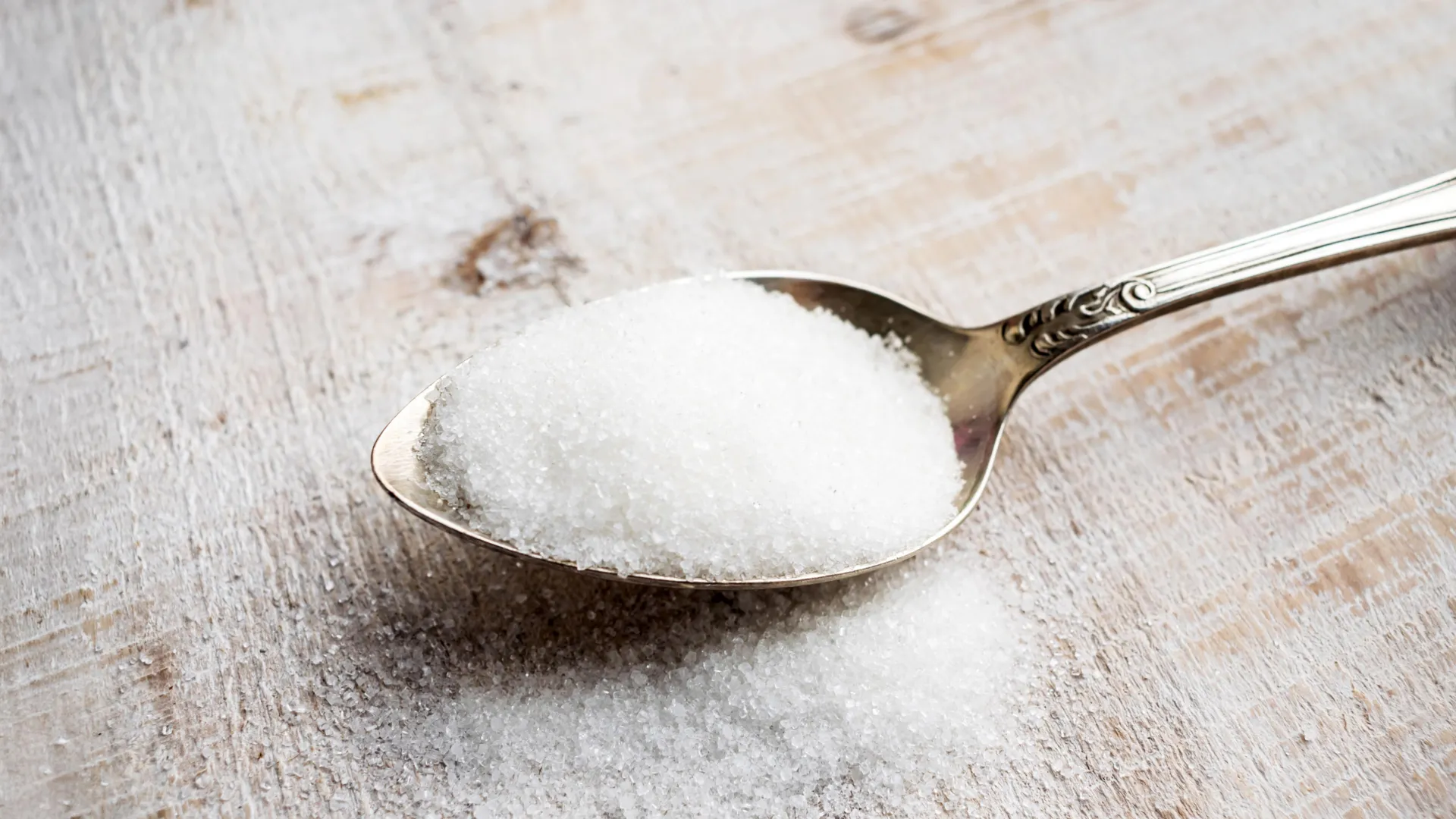
- Aspartame, saccharin, acesulfame-K, erythritol, sorbitol, and xylitol were each associated with faster cognitive decline, particularly in memory and verbal fluency, while tagatose showed no significant link in the study.
- University of São Paulo researchers analyzed dietary data and cognitive tests from 12,772 Brazilian adults over eight years, using self-reported intake and repeated assessments of memory, language, and processing speed.
- Brazilian Ministry of Health and other national agencies funded the study, which accounted for cardiovascular risk factors but relied on recall-based dietary reporting, a known limitation in nutritional research.
Why it matters: People with diabetes—who often rely on artificial sweeteners—showed stronger links between consumption and cognitive decline, raising concerns about long-term brain health trade-offs. The 62% faster decline in high consumers translates to a measurable shift in cognitive aging, even if causation remains unproven.
Ask SkimNews