Iran Rejects US Plan to Use Assets for Gulf Repairs — SkimNews
Get the Geopolitics newsletter
Daily geopolitics — wars, elections, sanctions, the diplomatic moves that move markets. Free.
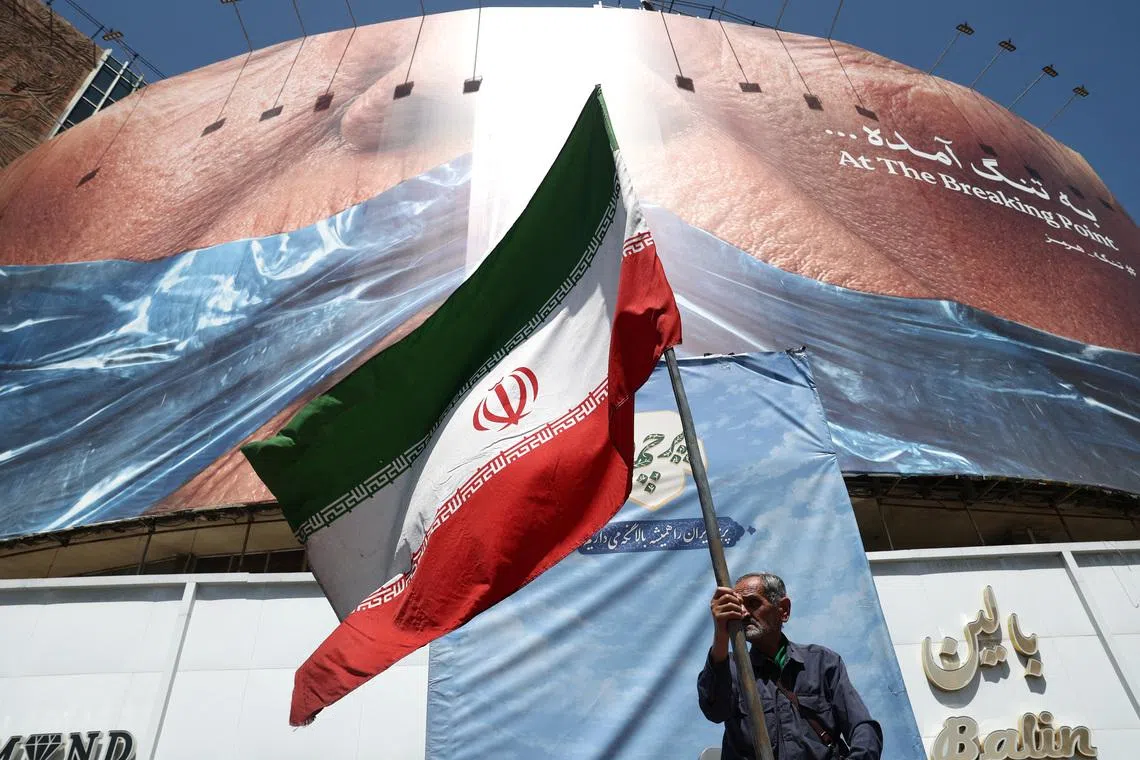
- Kazem Gharibabadi said regional governments cannot demand reparations and that Iran’s assets are not war spoils for Washington nor a payment fund for its allies.
- Scott Bessent directed a Treasury team to assess damage costs inflicted on Gulf allies and considered using Iranian assets to fund rebuilding and future repair work.
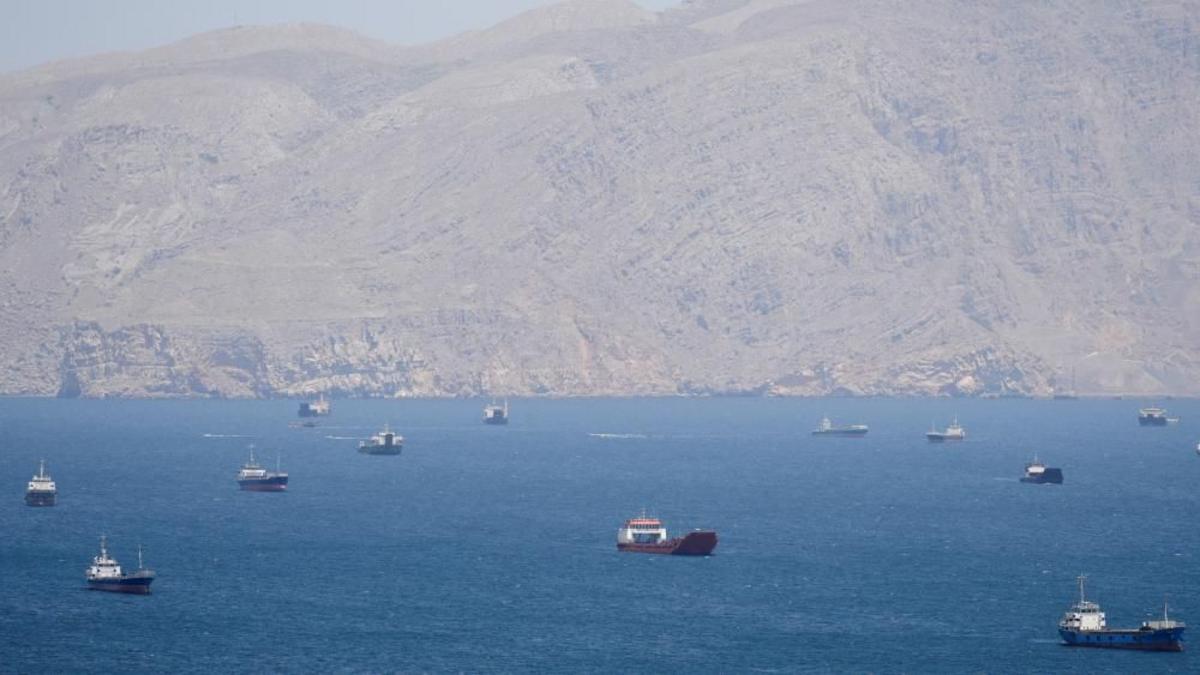
- Iran launched missile and drone attacks on Gulf states during the war and, on June 7, fired ballistic missiles at US bases in Kuwait and Bahrain, with the US intercepting six and one causing material damage in Kuwait.
- Rystad Energy estimated the conflict could generate up to $58 billion in repair costs for energy‑linked infrastructure in the region.
- Iran warned that any seizure or transfer of its assets without Tehran’s consent would constitute a new internationally wrongful act, prompting an appropriate response.
Why it matters: Iran’s refusal blocks the US Treasury’s plan to tap frozen Iranian assets, leaving Gulf allies without the expected $58 billion in repair funding and raising the risk of further diplomatic retaliation.
Ask SkimNews