Tokyo Lets Civil Servants Wear Shorts Amid Energy Crunch — SkimNews

Get the Geopolitics newsletter
Daily geopolitics — wars, elections, sanctions, the diplomatic moves that move markets. Free.
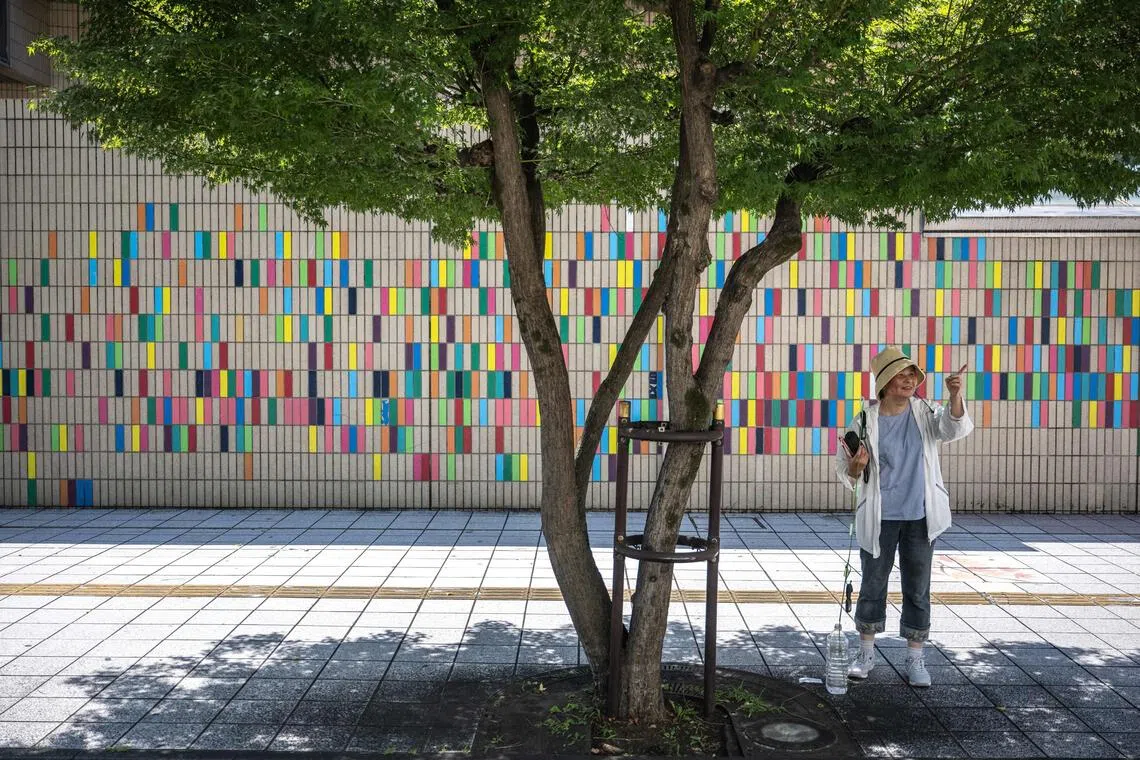
- Tokyo metropolitan government has authorized staff to wear shorts, T-shirts, polo shirts and sneakers to the office, with Governor Yuriko Koike citing "a severe outlook for electricity supply and demand" and noting shorts are allowed "depending on job responsibilities."
- The policy is an extension of Japan's Cool Biz campaign, which the environment ministry launched in 2005 to encourage civil servants to ditch ties and jackets but had never previously authorized shorts.
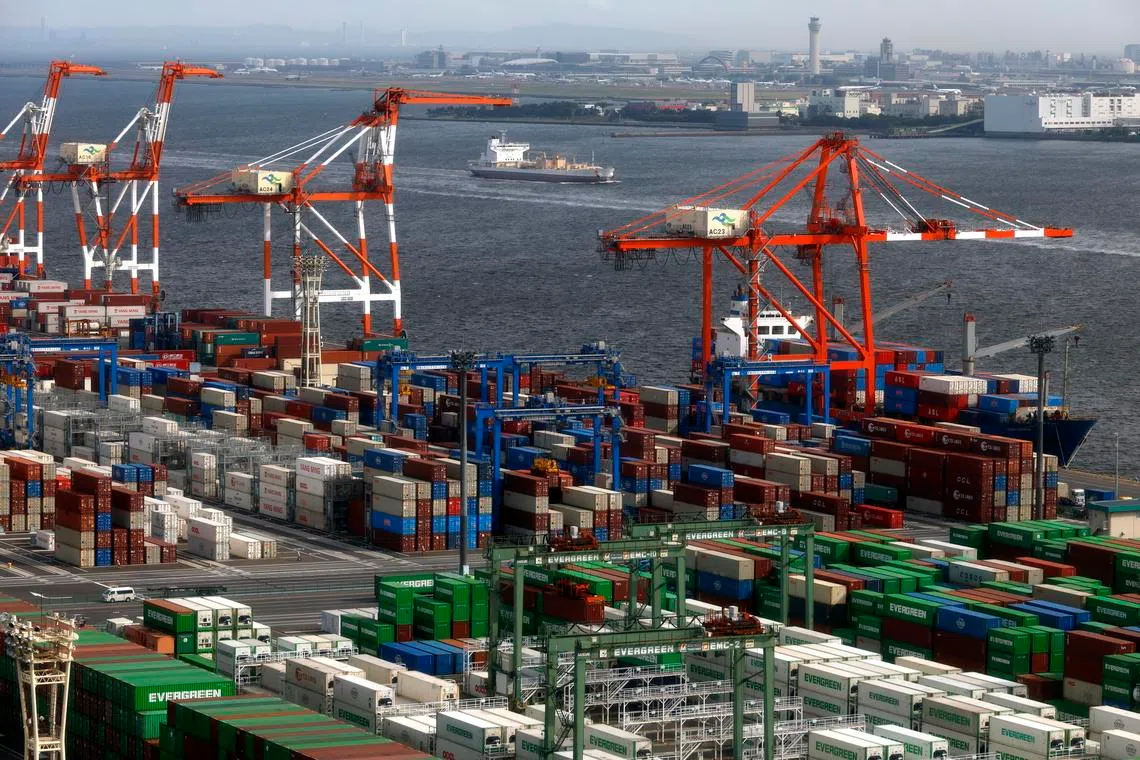
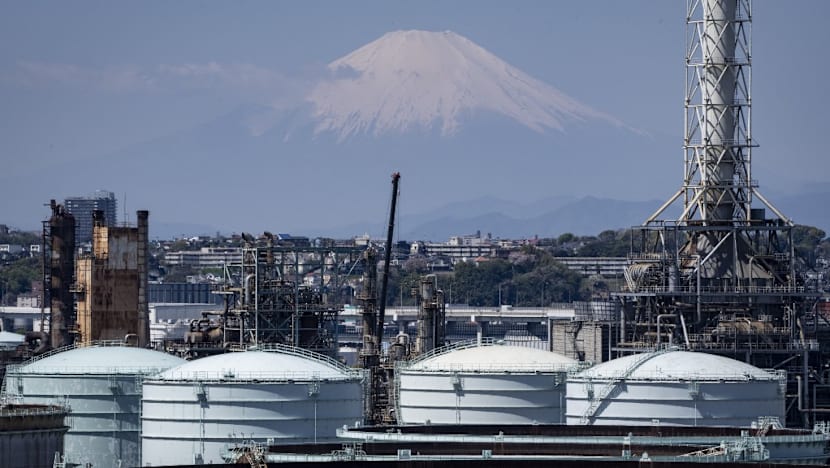
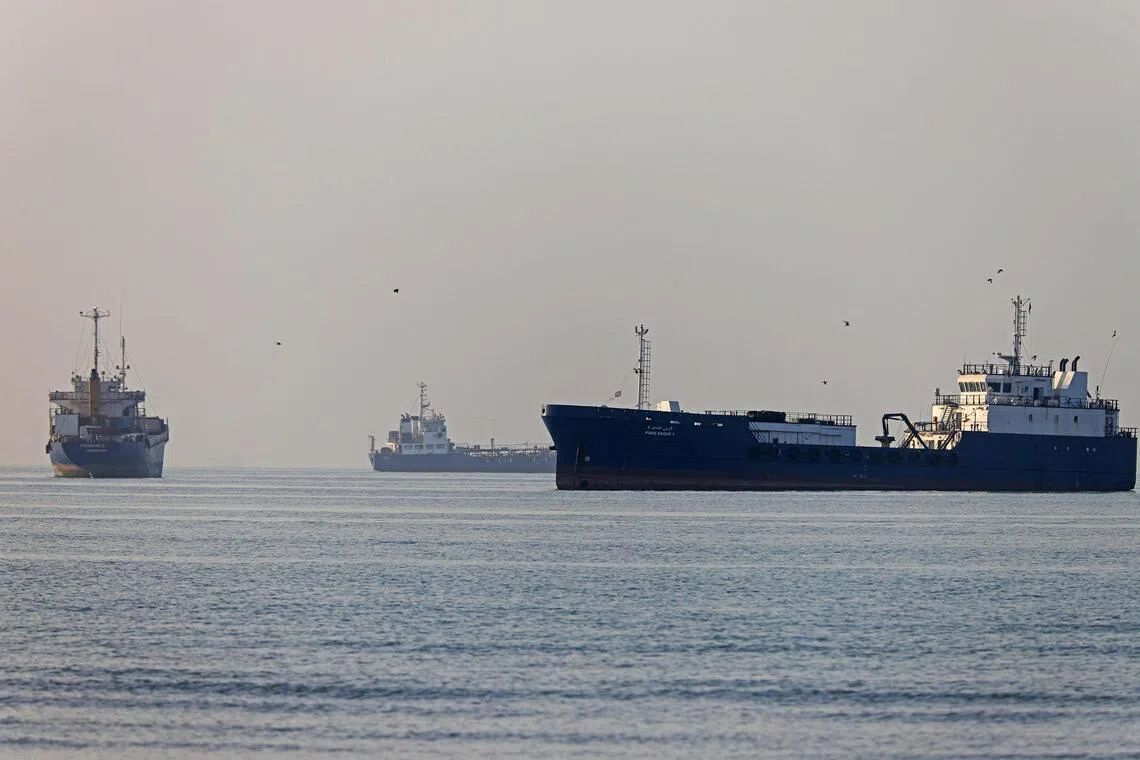
- Japan imports 90% of its oil from the Middle East, most of it transiting the Strait of Hormuz, and plans to release a further 20 days' worth from strategic reserves beginning May 1 after already tapping them, while also sourcing oil from suppliers that bypass the strait.
- Other Asian governments are taking similar steps — Vietnam and South Korea have begun energy rationing, and Seoul authorities are urging residents to make short trips on foot or by bicycle.
- A Tokyo government official told the Yomiuri Shimbun that wearing shorts to the office for the first time was "very comfortable" and added, "I feel like it'll improve my work efficiency."
- Last summer was Japan's hottest since records began in 1898, and the meteorological agency last week introduced a new extreme-weather classification — "kokusho," meaning "cruelly hot" — for temperatures reaching 40C or above.
Why it matters: With 90% of Japan's oil imports transiting the Strait of Hormuz and 2024 its hottest summer since 1898, the shorts policy sits at the intersection of two pressures: Middle East war-driven supply anxiety and climate adaptation. The article notes that if shipping through Hormuz doesn't normalize, experts warn the world's fourth-largest economy could face crude-oil rationing reminiscent of the 1970s oil shocks.
Ask SkimNews