Indonesia's China Drill East of Taiwan Raises Questions — SkimNews

SkimNews Take
The scheduling coincidence suggests Jakarta is calibrating its alignment by exercising with a Chinese warship east of Taiwan while hosting a US defense official — a hedging posture that preserves access to both security partners without picking sides.
Get the Geopolitics newsletter
Daily geopolitics — wars, elections, sanctions, the diplomatic moves that move markets. Free.
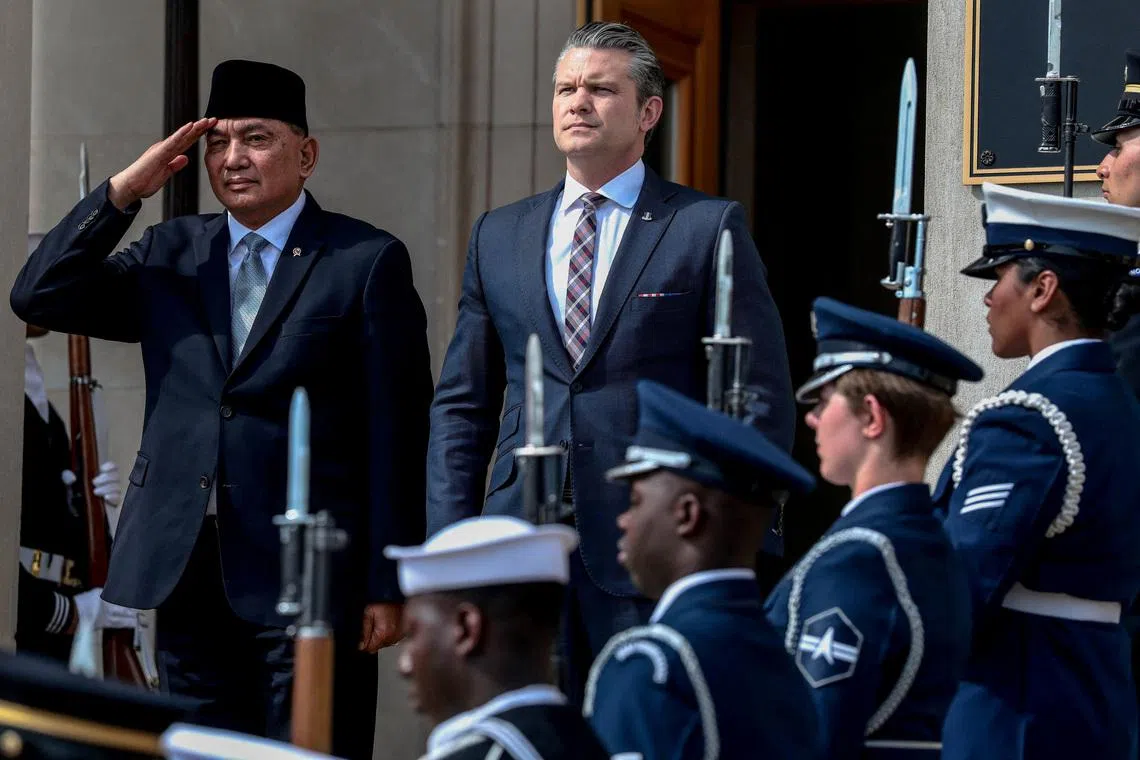
- Elbridge Colby, US Under Secretary of War for Policy, met Indonesia's defense minister Sjafrie Sjamsoeddin in Jakarta as part of a Southeast Asia tour that also took him to the Philippines, Thailand, and Cambodia.
- China's Global Times reported that warship Honghe will hold a joint navigation exercise with an Indonesian navy ship in mid-August, in waters east of Taiwan, framed in soft language about "deepening cooperation" and "safeguarding regional peace and stability."
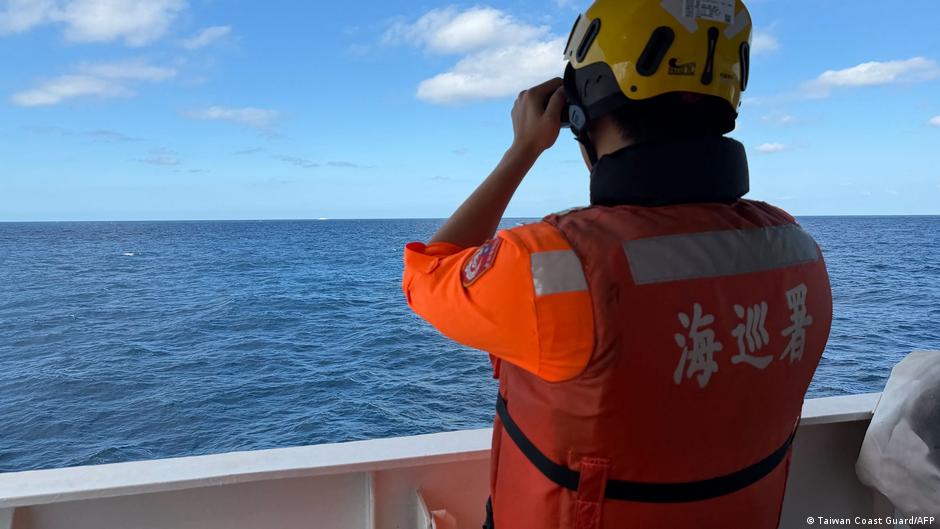
- The same Global Times report included footage of the Honghe in a 20-hour standoff near the Taiwan Strait earlier this year, where it came within 100-200 meters of a much larger foreign warship — placing a friendly drill announcement next to imagery of a tense confrontation.
- Indonesia-China naval drills, known as Sharp Knife, were suspended around 2015 after friction over illegal Chinese fishing near the Natuna Islands, resumed in 2021, and gained new momentum after President Prabowo Subianto met China's foreign minister in 2024 to discuss restarting joint exercises.
- Indonesia's "free and active" foreign policy has it hosting multiple exercises simultaneously, including the Multilateral Naval Exercise Komodo, the first ASEAN Solidarity Exercise in the Natuna Sea in 2023, and the annual Garuda Shield drill with the United States.
- Indonesian officials have not publicly explained why the drill was located in waters east of Taiwan rather than elsewhere, while both Chinese state media and US officials are framing their respective visits in deliberately chosen language.
Why it matters: Indonesia has previously shown it can manage ties with both powers — it accepted Chinese rescue ships after a 2021 submarine sinking without conceding its Natuna position. But by drilling in waters east of Taiwan during the same week a senior US defense official visited, Jakarta is now in a position where it must publicly explain a location choice that Beijing's state media has already linked to a show of naval strength near one of Asia's most sensitive flashpoints.
Ask SkimNews