Extreme heat left this student athlete on life support. He won’t be the last. — SkimNews
Get the Sports newsletter
Daily sports — scores, transfers, the storylines from the leagues you actually follow. Free.
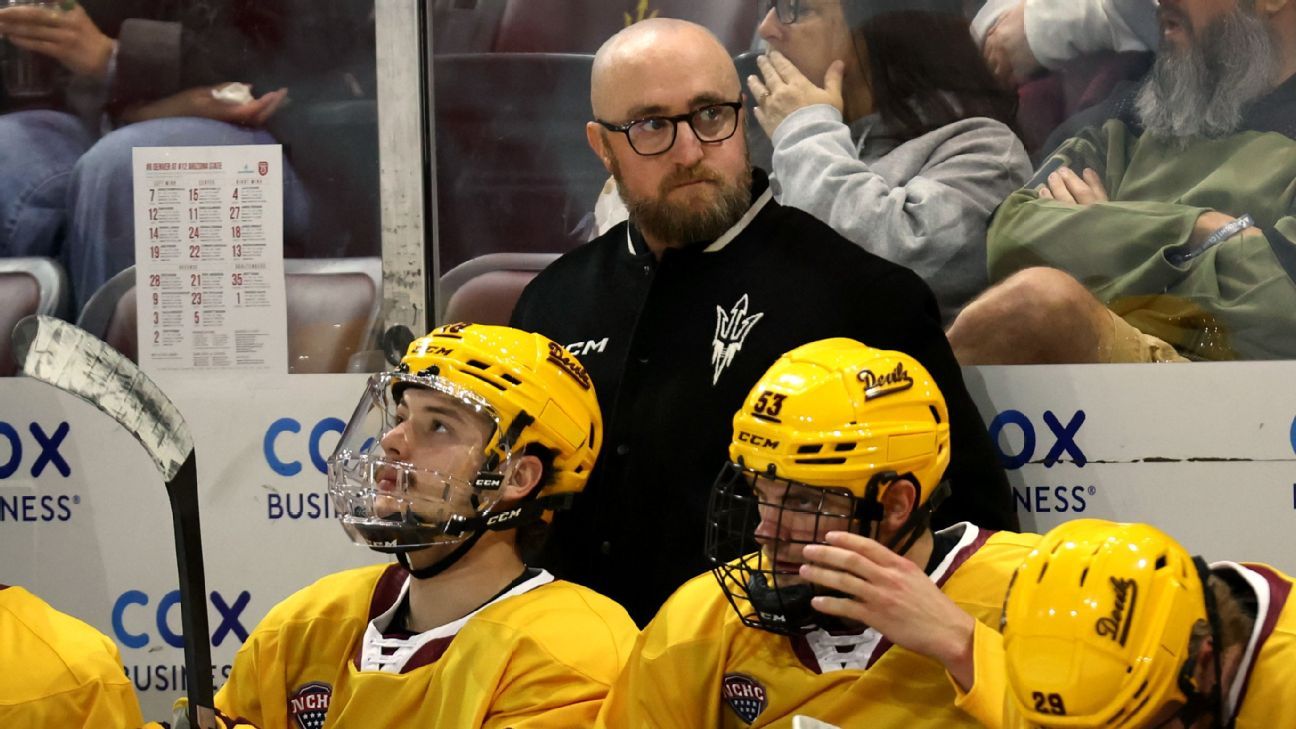
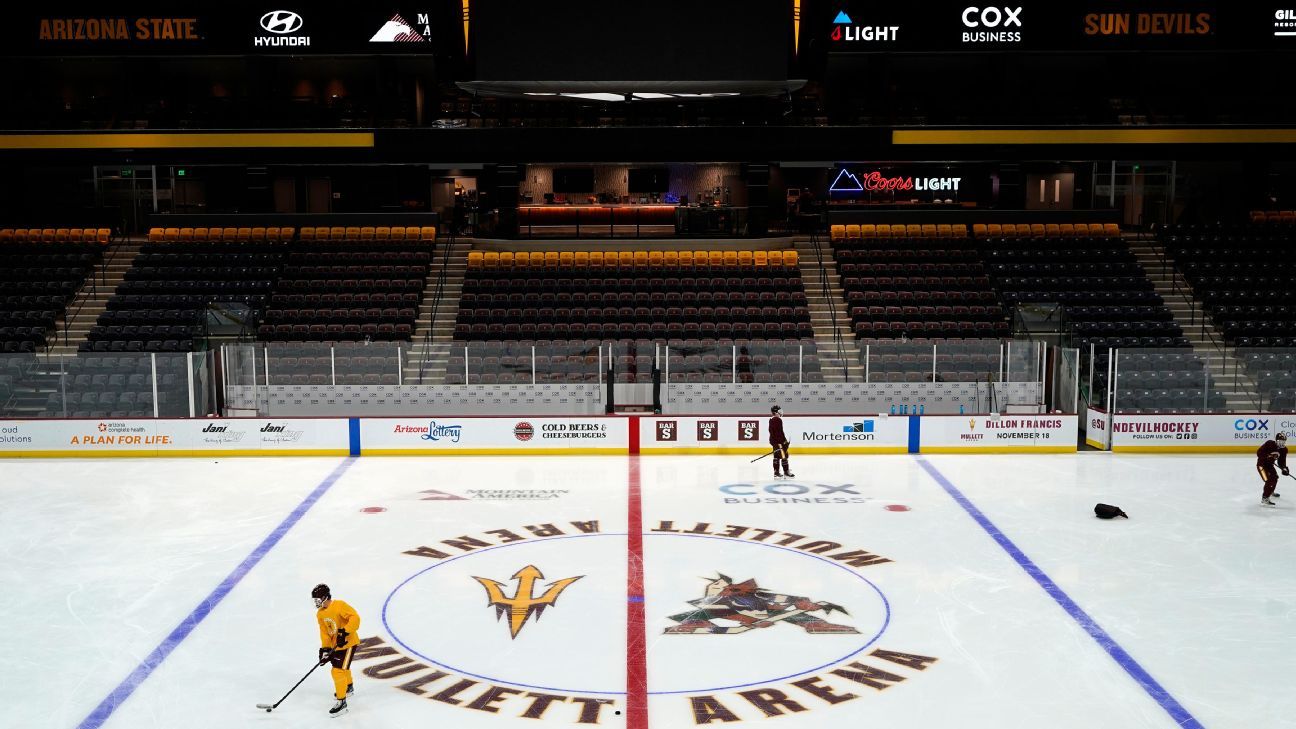
- Matthew Mayich, a 21-year-old ASU hockey player and St. Louis Blues prospect, collapsed during a August 20 training session led by former Green Beret Tim Ziesel at Sun Angel Stadium when temperatures hit 90°F, and remains in critical condition with what his family's lawyer called exertional heat stroke.
- Seven of Mayich's teammates alleged in an anonymous letter sent via attorney that ASU's required heat precautions were absent — no immersion tub, no ice chests, no on-field heat measurement, no scheduled shade breaks — and that the workout lasted 75 minutes, not the 45 the university reported.
- ASU head coach Greg Powers was placed on paid leave more than a month after the incident and two days after the anonymous letter, though he had insisted at a September 23 press conference that he was still the "right guy" to lead the team.
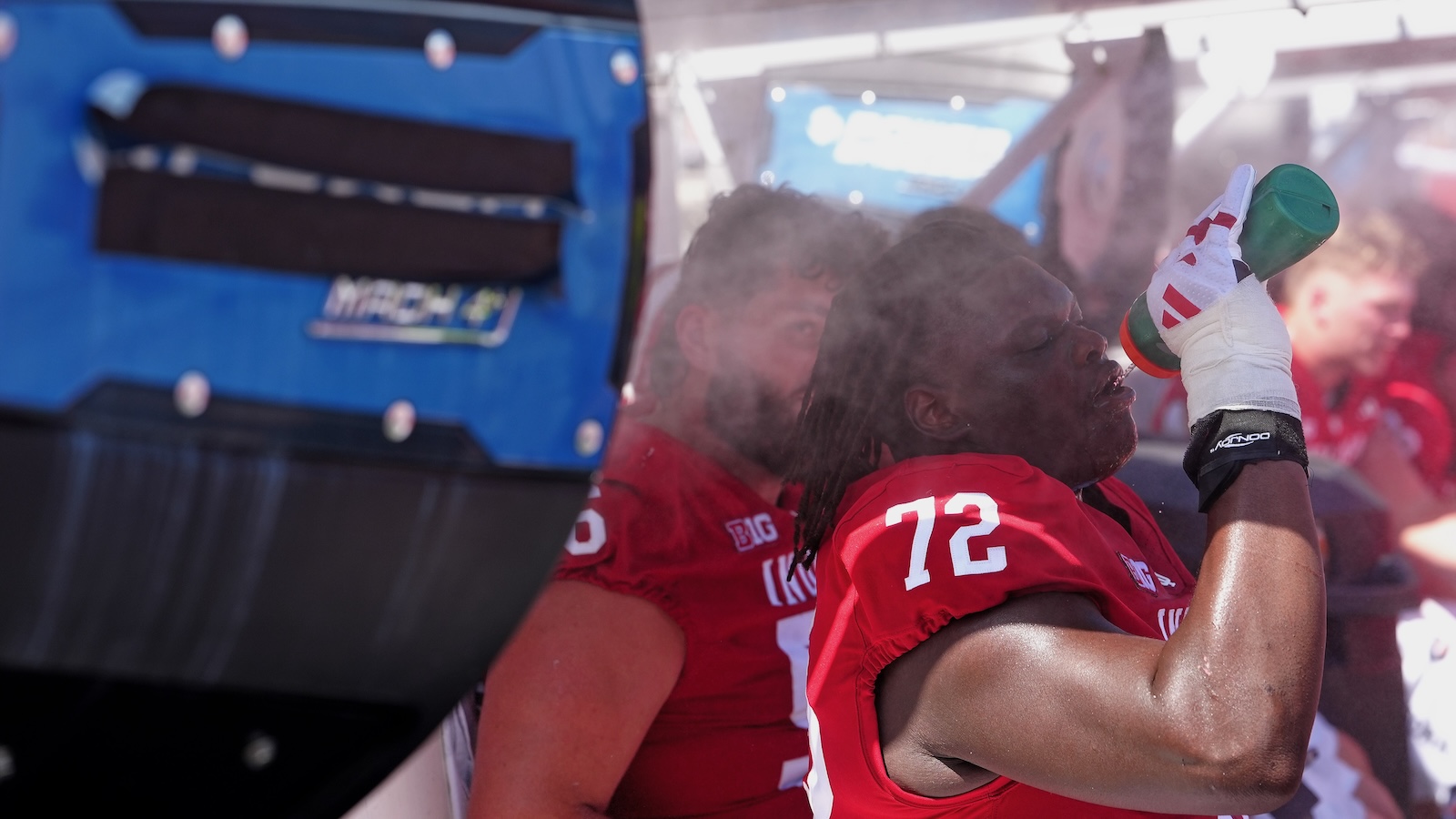
- Cold-water immersion cools heat stroke victims in about 25 minutes versus well over an hour using air conditioning alone, according to Doug Casa of the Korey Stringer Institute, which was founded in 2010 after Minnesota Vikings lineman Korey Stringer died at age 27 with an internal temperature of 108.8 degrees.
- The Korey Stringer Institute found stark policy gaps when scoring U.S. states on heat safety: 13 states plus Washington, D.C., scored 15 points or higher, while 17 states scored 5 or below.
- University of Iowa band member Derek Phillips died after collapsing at a football game played in temperatures above 90°F just one week after Mayich's hospitalization, illustrating that non-athletes face the same unregulated conditions.
- Synthetic turf surface temperatures reached 157°F at a recent Tennessee Titans game in Nashville, with one player rolling an ankle after the heat effectively melted his cleats, per ESPN.
Why it matters: Mayich's case exposes a fatal gap between widely known best practices (ice baths, WBGT monitoring) and actual implementation: 17 U.S. states score 5 or below on the Korey Stringer Institute's heat policy rubric, and no federal regulations govern heat safety in youth or college sports. With climate change doubling extreme-heat frequency between World Cup hostings and synthetic turf adding 157°F surface risks, athletes and band members alike are testing the limits of voluntary safety standards.
Ask SkimNews