US bill proposes new national EV tax, while some push to slash gas tax to zero — SkimNews
SkimNews Take
A federal EV tax that redirects funds from charging infrastructure suggests a policy goal of revenue generation rather than incentivizing EV adoption.
Get the Energy newsletter
Daily energy & climate — solar, EVs, oil, the policy fights and tech bets shaping the transition. Free.
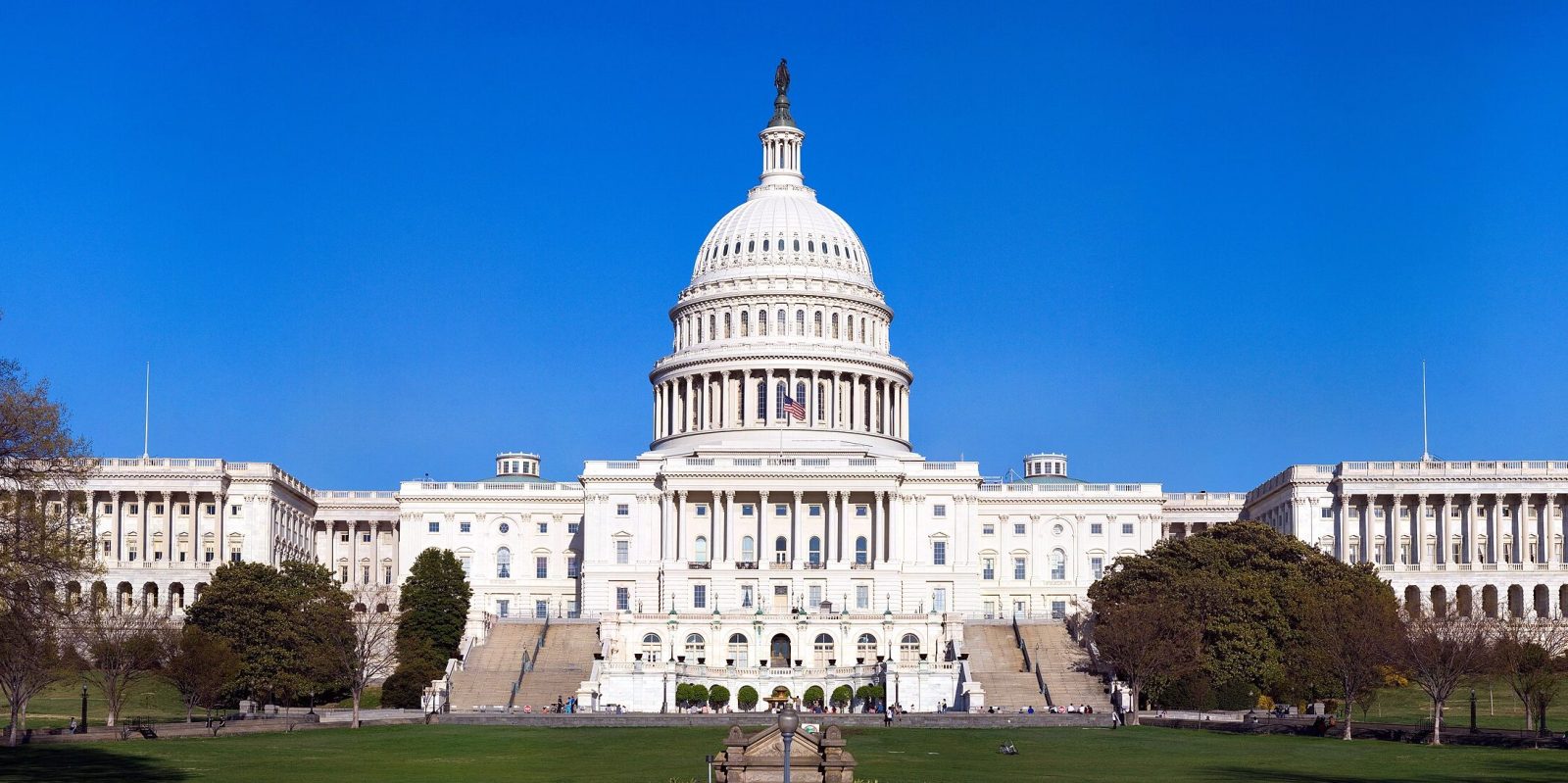
- BUILD America 250—the Surface Transport Reauthorization Bill—was introduced by the Transportation and Infrastructure Committee as a bipartisan effort between Rep. Sam Graves (R‑MO) and Rep. Rick Larsen (D‑WA) to address five years of U.S. transportation needs.
- EV Tax: The bill imposes an annual surcharge of $130 on fully electric vehicles and $35 on plug‑in hybrids, with a $5 yearly increase up to $150 and $50 respectively, to be collected by states.
- Enforcement: States that refuse to collect the EV surcharge could face withholding of federal transportation funds, according to the bill’s provisions.
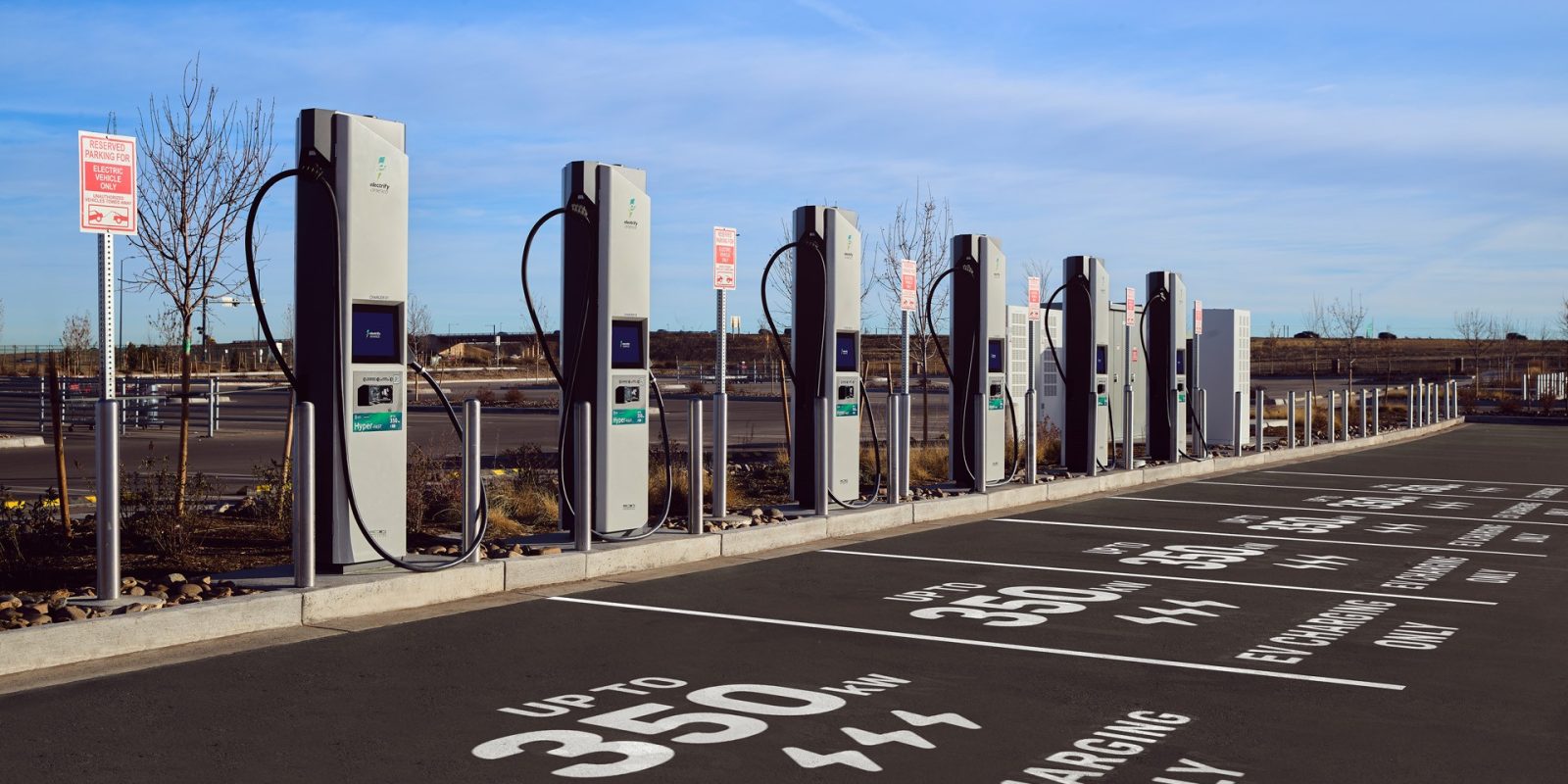
- Clean‑Transit Funding Cuts: The legislation reduces federal allocations for electric‑vehicle charging infrastructure, freight electrification, electric buses, and programs aimed at disadvantaged communities.
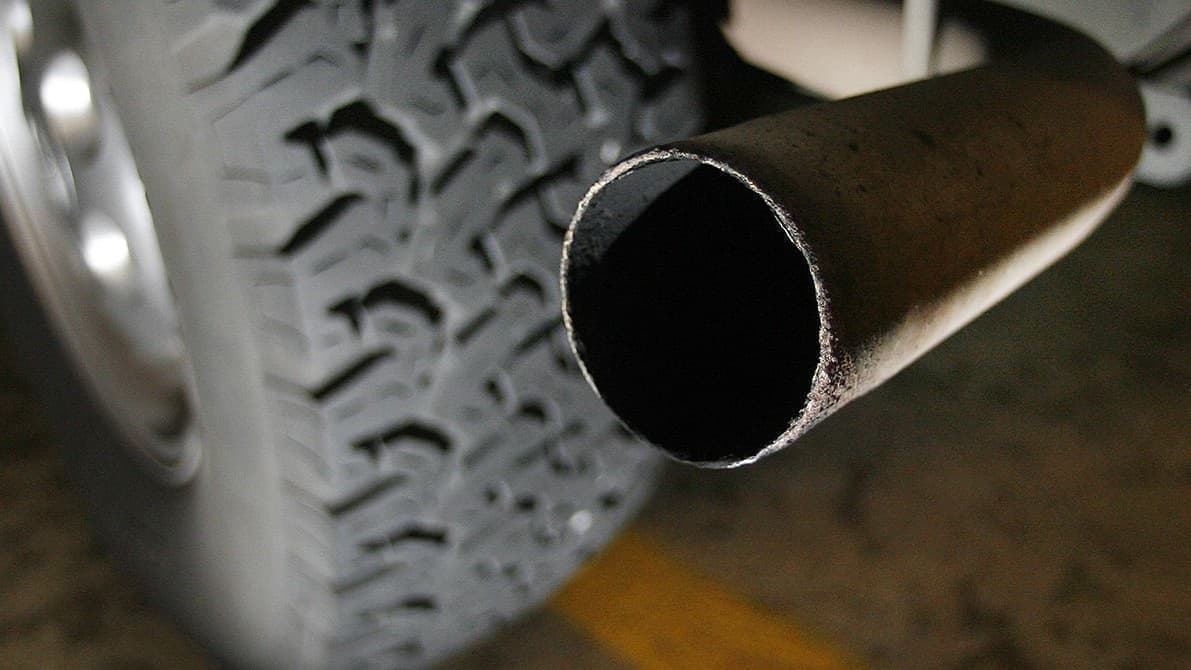
- Federal Gasoline Tax: The gasoline tax has not been raised since 1993, and a separate push in Congress seeks to reduce it to zero despite ongoing fuel shortages.
Why it matters: EV owners will pay up to $150 annually, while federal clean‑transit dollars shrink, benefitting fossil‑fuel interests and hurting low‑income commuters who rely on electric buses.
Ask SkimNews