Russia's Amur-1650 Submarine Push Runs Into Sanctions — SkimNews

Get the Geopolitics newsletter
Daily geopolitics — wars, elections, sanctions, the diplomatic moves that move markets. Free.
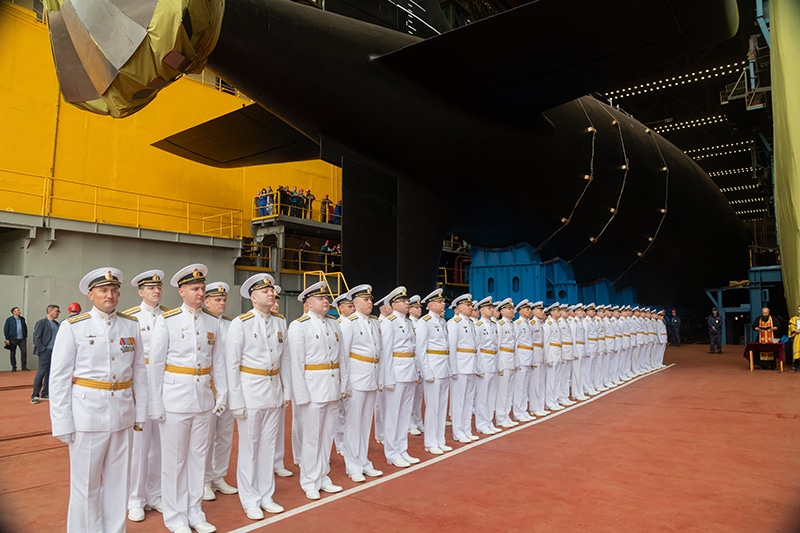
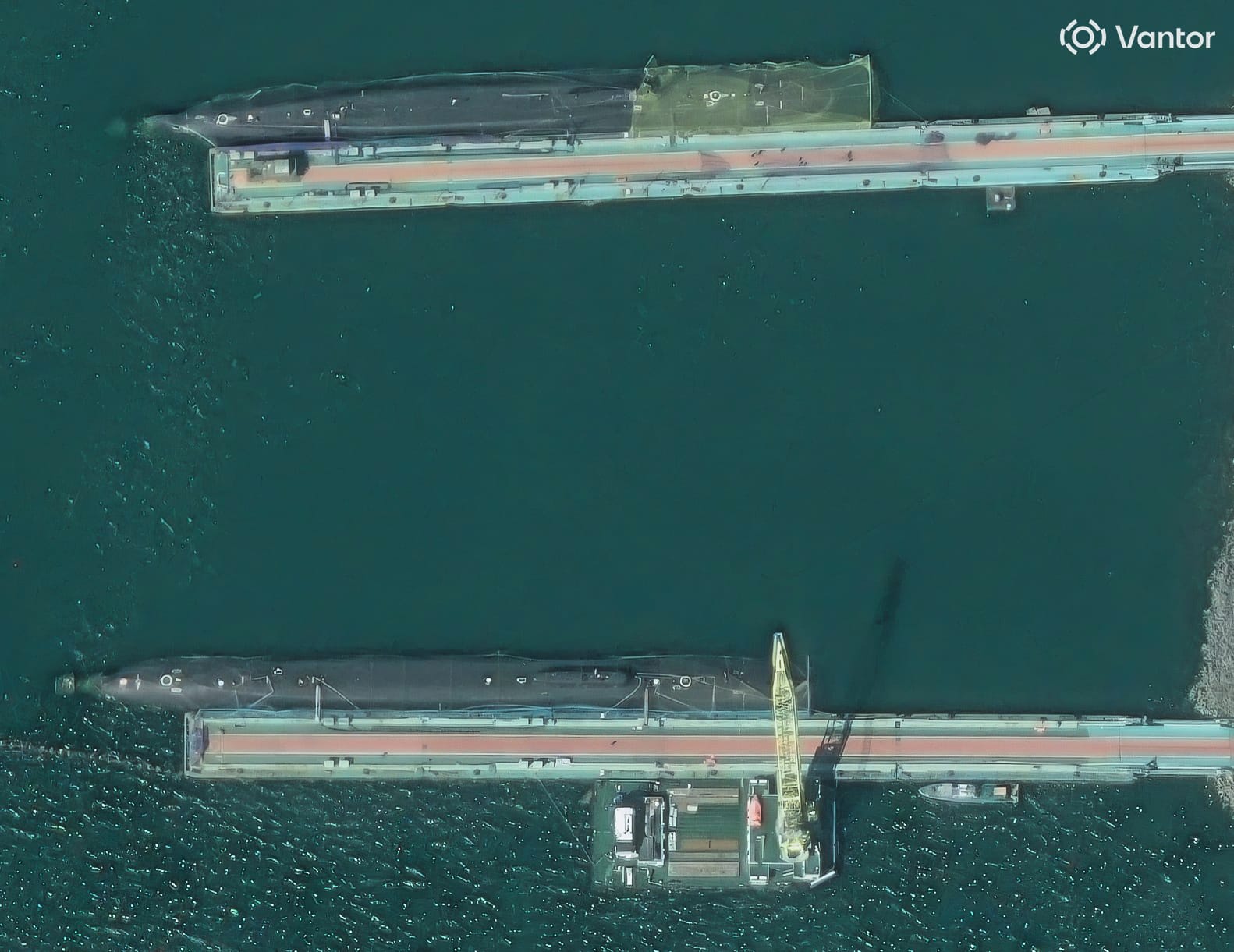
- United Shipbuilding Corporation unveiled a new Amur-1650 configuration at the Fleet 2026 defense exposition, adding vertical launch systems for BrahMos or Club-S cruise missiles to the 1,765-ton Rubin Design Bureau platform, which carries a 28-weapon payload and offers optional air-independent propulsion extending submerged endurance to 45 days.
- India emerges as Russia's most plausible customer, with SIPRI reporting Russia supplied 48% of its arms exports and 40% of India's imports in 2021–25; the Indian Navy's conventional fleet shrank to 16 aging platforms after the December 2025 decommissioning of INS Sindhughosh, and Project-75I replacements are delayed until 2035.
- Pakistan's four China-built Hangor-class AIP submarines have intensified India's need for advanced platforms to restore sea-denial deterrence, while India-Russia defense ties are strained by Western sanctions, wartime delivery disruptions, and India's structural shift toward indigenous manufacturing and French Scorpene expansions.
- Vietnam operates six Russian Kilo-class submarines and has signed on for BrahMos, making it a logical Amur-1650 candidate — but Russian arms fell from 80% to 60% of Vietnam's defense purchases between 2011–16 and 2017–23 as Hanoi diversifies suppliers amid sanctions vulnerability and concern over Russia's deepening alignment with China.
- United Shipbuilding Corporation is paralyzed by catastrophic financial losses, prompting a government takeover, while labor shortages, supply chain disruptions, Western technological sanctions, and wartime prioritization of domestic demand threaten Russia's ability to deliver conventional submarines on time and at scale.
- Southeast Asia's submarine market is saturated with French, German, and South Korean competitors, and regional buyers view undersea capabilities as an asymmetric A2/AD tool against great-power pressure in the Taiwan Strait and South China Sea, raising the strategic stakes for any successful export bid.
Why it matters: The submarine export race is shifting from design specifications to industrial reliability. With USC financially paralyzed, Russia's wartime production demands squeezing delivery schedules, and India and Vietnam actively diversifying toward French, Korean, and indigenous alternatives, the Amur-1650's brochure appeal may not translate into hulls — and Moscow's 48% share of India's arms market is a figure that depends on whether Russian shipyards can actually deliver.
Ask SkimNews