EV Battery Innovations Drive Market Surge Amid Falling — SkimNews
Get the Energy newsletter
Daily energy & climate — solar, EVs, oil, the policy fights and tech bets shaping the transition. Free.
- President Donald J. Trump and the Republican-controlled US Congress rescinded a $7,500 federal EV tax credit, initially impacting sales.
- The US/Israel war against Iran has reignited demand for electric vehicles and their batteries.
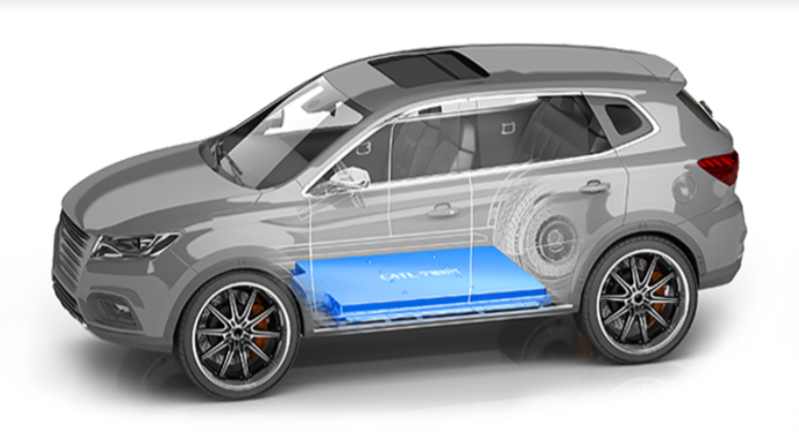
- BYD and Volvo are early adopters of cell-to-body battery architecture, integrating structural battery elements directly into the chassis to save weight and cost.
- CATL, BYD, Volkswagen Group, and the IEA all forecast battery prices to drop by as much as 70% in the next five years, pushing EVs to price parity with gasoline cars sooner than expected.
- Ford and GM are shifting to LFP (lithium-iron-phosphate) batteries, which offer longer life, faster charging, and avoid the supply chain complexities of cobalt.
- CATL and BYD are also innovating with sodium batteries that overcome LFP's cold-weather limitations.
- A research team at Chalmers University is developing massless EV batteries using carbon fiber for the anode, aiming for significant weight reduction.
- Solid-state EV batteries, which use a solid electrolyte, are also advancing, promising further performance improvements once scaling challenges are met.
Why it matters: EV battery innovations are accelerating affordability and performance, driving a rapid shift in the global auto market.
Ask SkimNews