Most people haven’t heard of kratom. What is it, and who’s using it? — SkimNews

Get the Health newsletter
Daily health & science — research, biotech, public health, the studies worth knowing. Free.
- Annenberg Public Policy Center survey data from nearly 2,000 people found that 66% of Americans had never heard of kratom; another 66% were unsure whether it posed a serious public-safety hazard, and few of the familiar respondents understood leaf versus synthetic products.
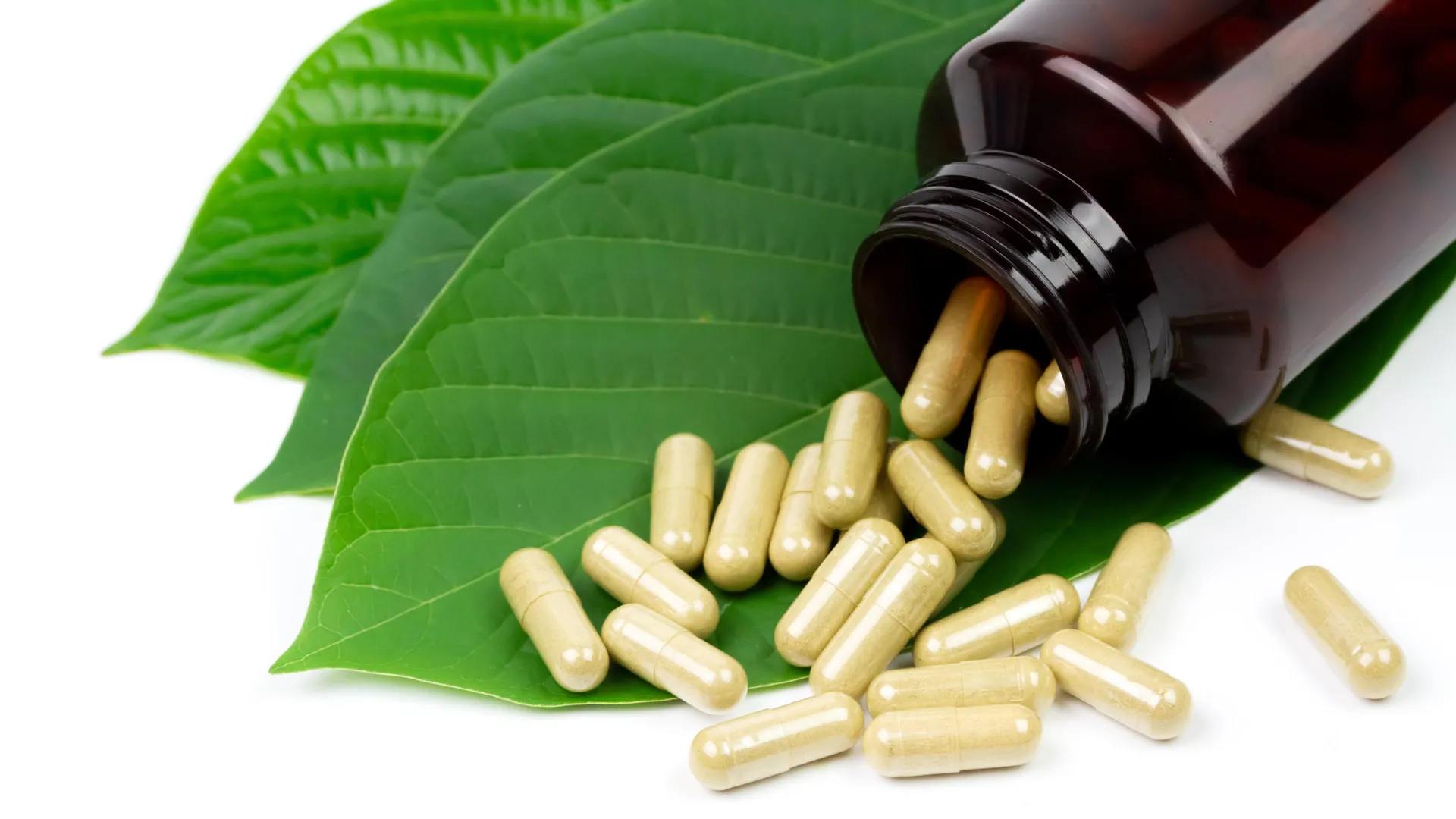
- 7-OH is sold in tablets, gummies, shots and drink powders; users said early tablets often contained 12–14 milligrams, while products now reach 25, 50 and even 100 milligrams.
- DEA proposed limits on both MGPI and 7-OH based on their ratio to mitragynine, replacing an earlier proposal to ban MGPI outright; an American Kratom Association lobbyist pushed the October update.
- National Poison Data Center recorded a 1,200% increase in kratom-related exposure reports over 10 years, from 258 in 2015 to 3,434 in 2025.
- Tampa Bay Times reported that more than 580 people in Florida died over nearly 10 years from overdoses involving kratom products; poison-center data counted 233 deaths over the decade, most involving other substances.
- Kratom is used by some people for chronic pain and opioid withdrawal, but limited research has found that up to around 38% of users may develop use disorders; reported withdrawal has appeared mild on a clinical opioid-withdrawal scale.
- Twinkle VanFleet said she wants 7-OH sold only in 3, 5 and 10 milligram tablets, while she currently takes about 12 milligrams daily for pain relief.
Why it matters: The DEA is trying to regulate products that 66% of Americans have never heard of, even as poison-center exposure reports reached 3,434 in 2025. Users face concentrated 7-OH and varying local bans with little information distinguishing leaf powder from semi-synthetic tablets.
Ask SkimNews