GM Energy Shows Home Batteries Cut Power Costs — SkimNews
SkimNews Take
The financial value of home batteries is increasingly tied to grid volatility and dynamic pricing, shifting their primary utility from emergency readiness to active energy market participation.
Get the Energy newsletter
Daily energy & climate — solar, EVs, oil, the policy fights and tech bets shaping the transition. Free.
- ComEd saw electricity rates in Illinois spike from $0.10/kWh to over $2/kWh during extreme weather, making a 20 kWh battery’s value jump from $2 to $70.
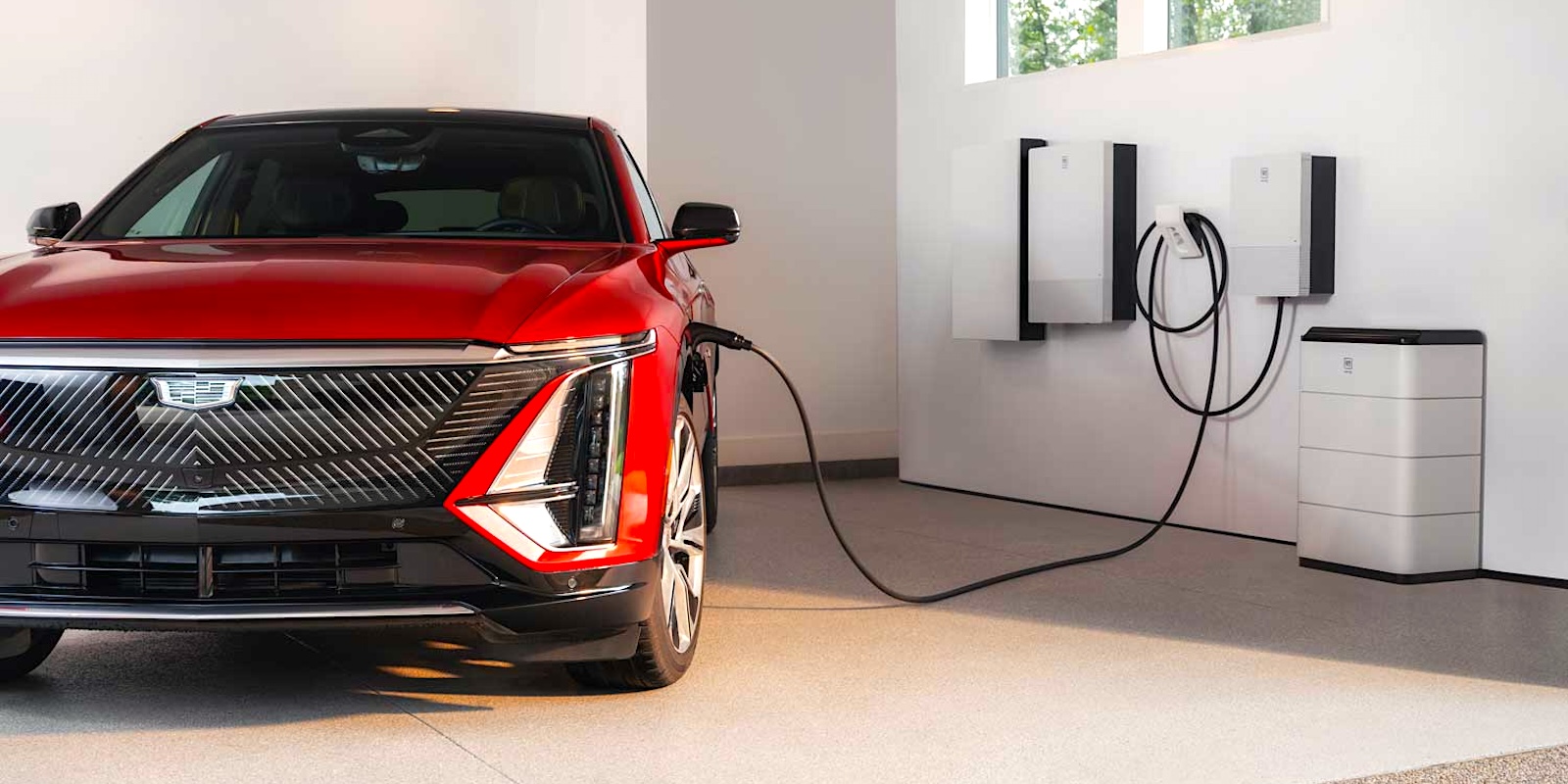
- Jim Reilly of GM Energy calls his setup “energy dominance,” using solar and a battery to fuel his EV with cheap, self‑generated electricity.
- Homeowners typically break even on a solar‑plus‑battery system after about 10 years, then enjoy another 10‑15 years of low‑cost energy production.
- Time‑of‑use pricing sometimes dips into negative values, letting users “stock up” on electrons at near‑zero cost and discharge when rates surge.
- Average homeowner can hedge against rising utility costs, turning a $20 kWh battery into a financial buffer that reduces monthly bill volatility.
Why it matters: Homeowners gain up to $70 per 20 kWh battery during price spikes, cutting monthly bills and reducing reliance on utilities, while utilities lose revenue from shifted demand. This stabilizes household budgets and eases grid stress.
Ask SkimNews