Why are more roofs not made of solar tiles? — SkimNews

Get the Energy newsletter
Daily energy & climate — solar, EVs, oil, the policy fights and tech bets shaping the transition. Free.
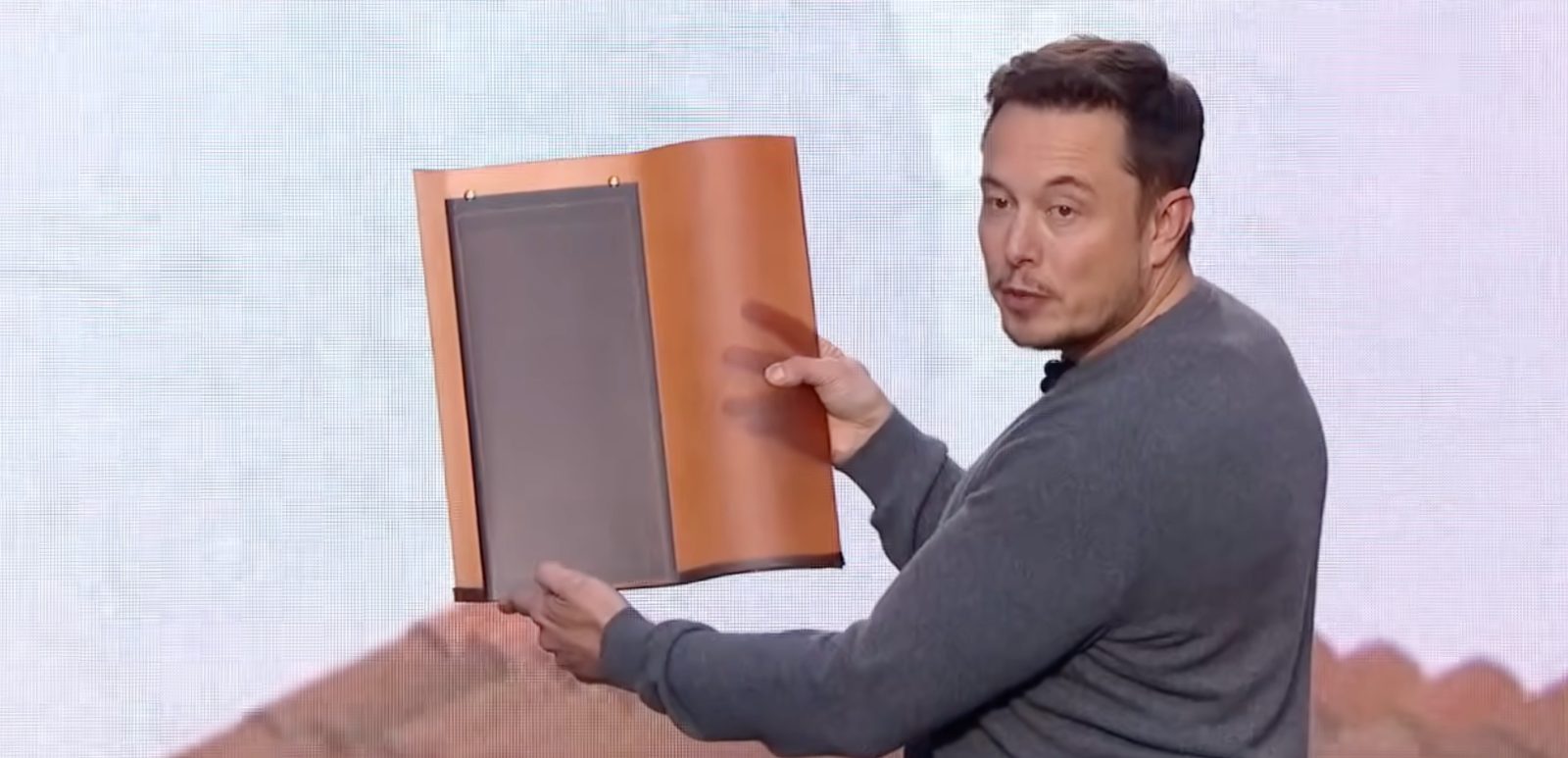
- Tesla stopped offering solar roofs on its website in August after disappointing sales and a lawsuit over sudden price hikes, a move the source says "sent shockwaves through the solar roof industry."
- Freesuns, a small Swiss company, has seen sales grow 20–30% since its 2019 founding and is now considering expanding into the US market in the wake of Tesla's exit.
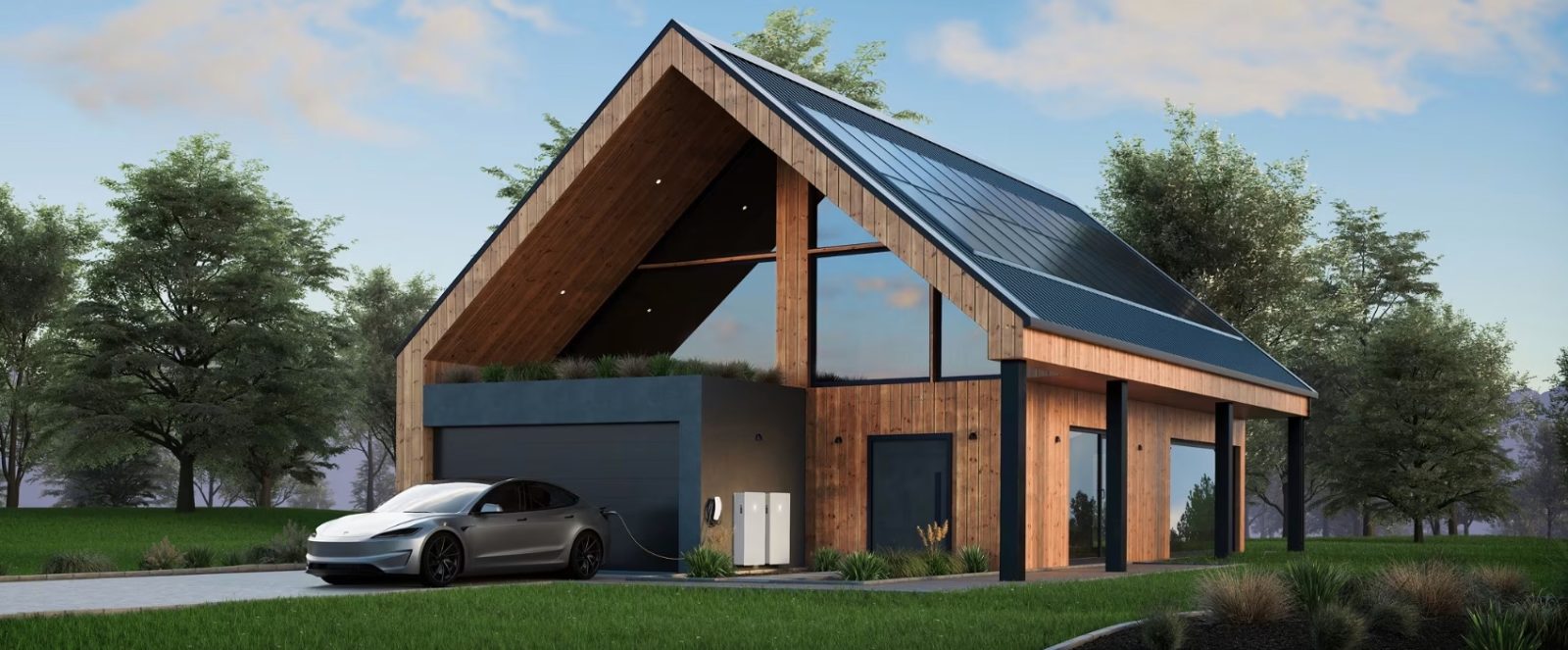
- Solar roofs cost roughly twice as much as conventional rooftop solar panel systems before repair costs are factored in, with each roof requiring custom engineering and installation.
- Solar roof tiles are less efficient than standard panels because the smaller tiles and tight roof placement limit airflow, causing heat buildup; colored tiles are even less efficient because black absorbs the most light, per Sunsave co-founder Ben Graves.
- Solar shingles lack the per-panel electronics mapping that standard PV systems have, forcing inspectors like Kate Collardson to use thermal cameras — and removing one shingle risks micro-fractures in adjacent ones.
- Freesuns is an early adopter of matrix shingling technology in building-integrated PV, a method that cuts cells into strips layered like shingles and uses conductive adhesive instead of metal wires, letting current route around shaded spots like bird droppings.
Why it matters: Tesla's withdrawal removes the highest-profile name from a category already priced at roughly 2x conventional rooftop solar, but the survivors are betting that matrix shingling — which lets current bypass shaded cells and eliminates visible silver wires — can lower per-roof engineering costs and give installers reason to take the product seriously again.
Ask SkimNews