Clarity Act Would Ban Presidents From Issuing Crypto — SkimNews

Get the Finance newsletter
Daily finance — markets, central banks, M&A, the prints that move money. Free.
- The Clarity Act was updated by Senate Republicans to ban federal officials, including presidents, from issuing or sponsoring cryptocurrency and other digital assets — the first such limits on presidential crypto profits.
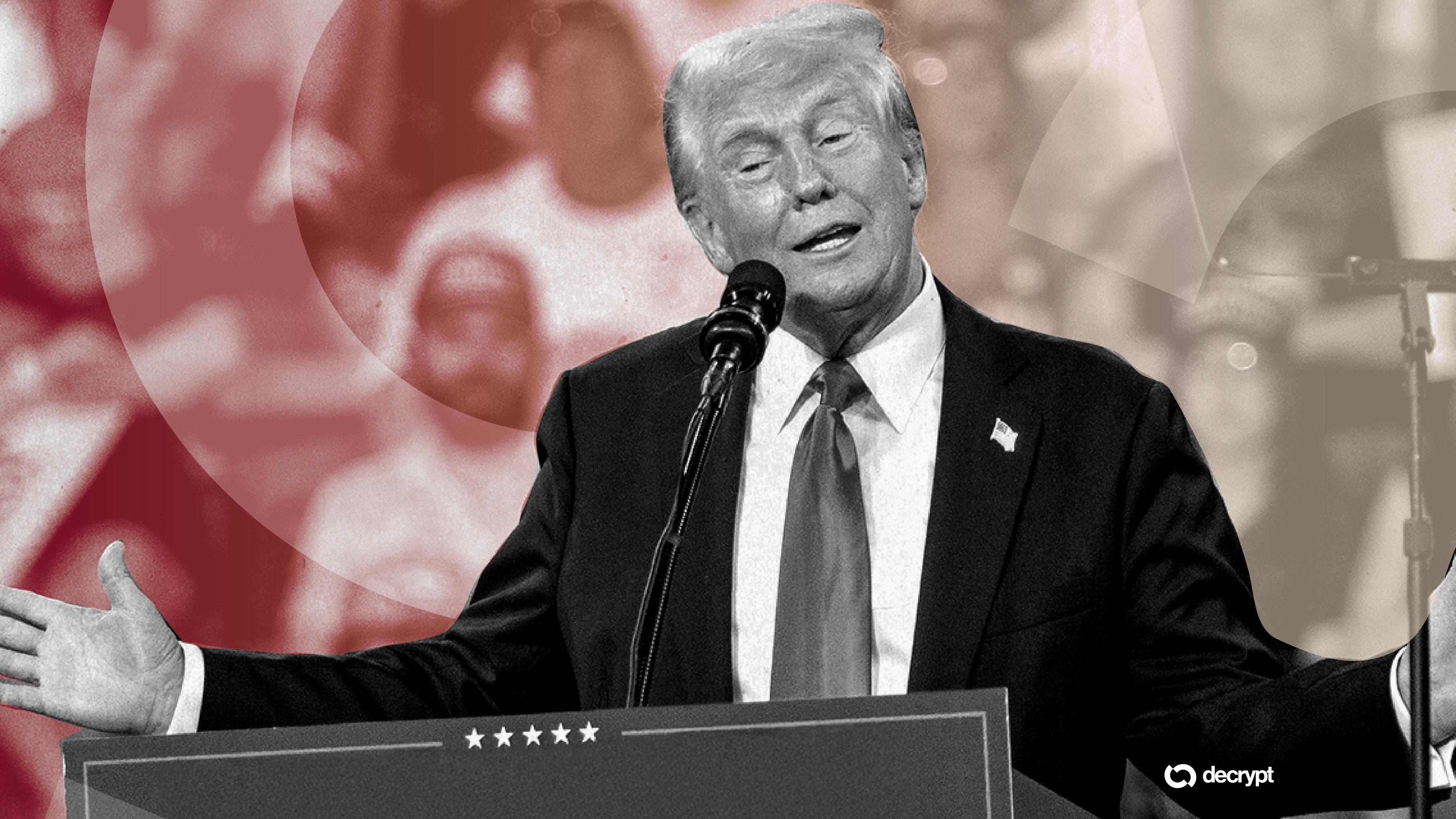
- President Trump signed off on the bill's ethics section per Sen. Bernie Moreno, even though he made roughly $1.2 billion in crypto-related income during his first year back in the White House.
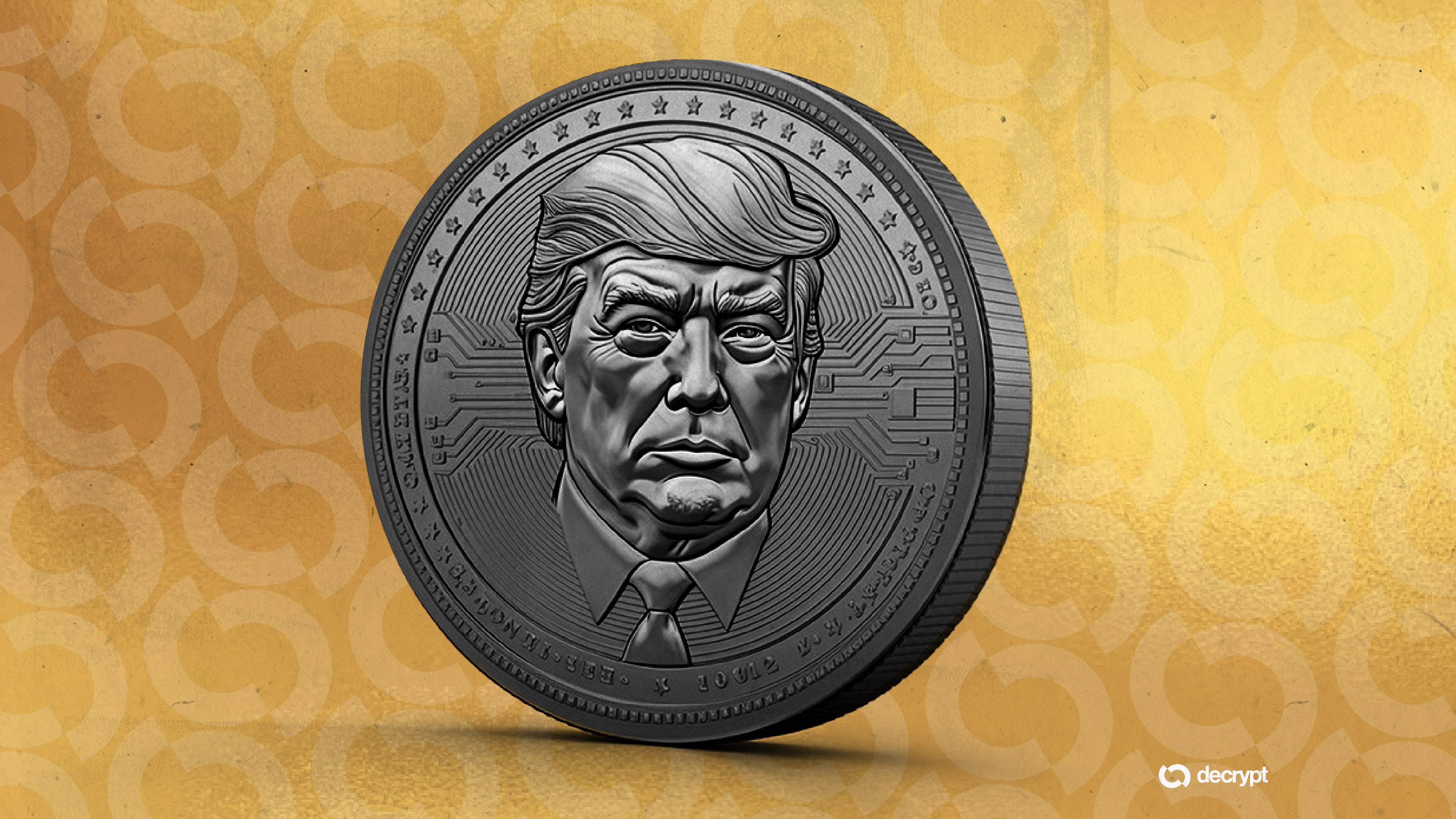
- Trump's 2025 crypto proceeds include approximately $580 million tied to World Liberty Financial, co-founded by Trump family members, which issues the WLFI governance token and launched the USD1 stablecoin in March 2025.
- The Department of Justice would enforce the ban under the legislation, with authority to levy fines of up to $250,000 per day against violators.
- Sen. Angela Alsobrooks (D-Md.) slammed having DOJ rather than state attorneys general lead oversight, calling the agency "lawless" and "completely unserious."
- Senate Majority Leader John Thune said the measure will get a vote in the next couple of weeks, though it remains unclear whether it can attract the 60 votes needed to clear the Senate.
- Companies including Coinbase and Ripple have pressed Congress for a national regulatory framework around digital assets, the broader goal of the Clarity Act.
Why it matters: Trump endorsed ethics language barring future presidents from the crypto-issuing game he himself profited from by roughly $1.2 billion in his first year back — a striking personal-financial profile sitting on top of a self-constraining policy. The bill still needs 60 Senate votes and faces Democratic skepticism over DOJ enforcement, leaving the path genuinely uncertain.
Ask SkimNews