Win Myint Freed in Myanmar Junta's Beijing-Backed Legitimacy Play — SkimNews

Get the Geopolitics newsletter
Daily geopolitics — wars, elections, sanctions, the diplomatic moves that move markets. Free.
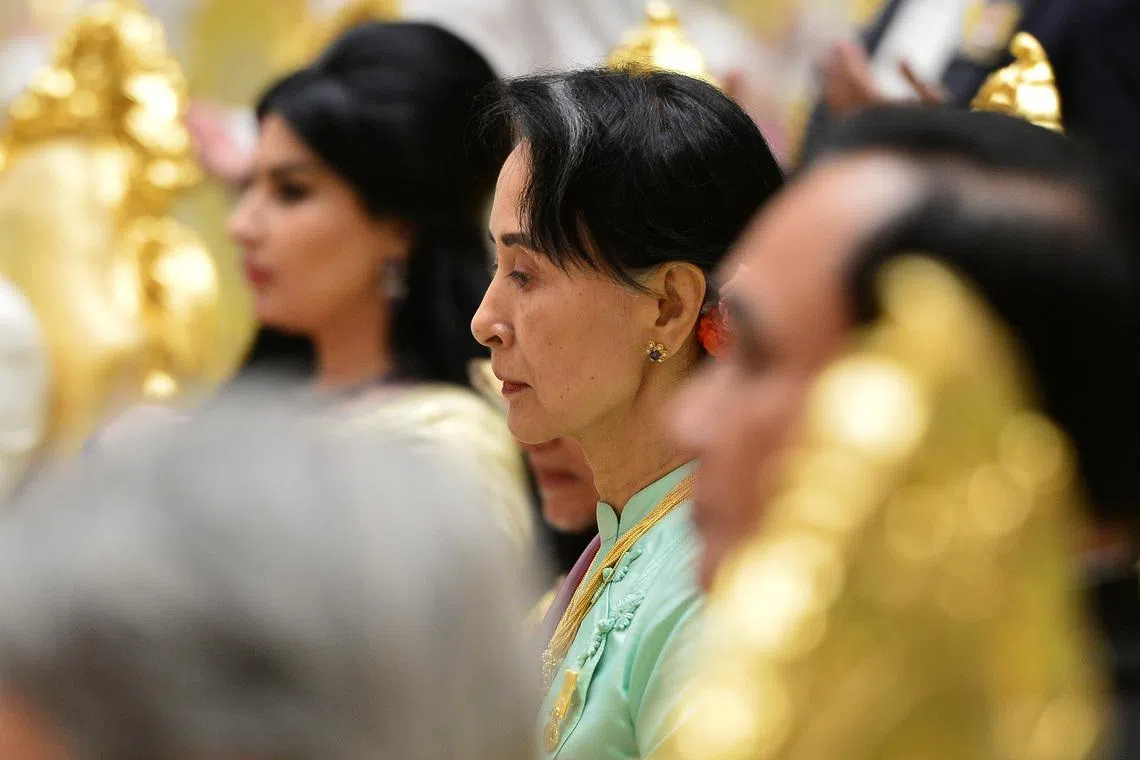
- Win Myint walked out of Taungoo Prison on April 17, the first day of the Myanmar New Year, as part of a Thingyan amnesty covering more than 4,500 prisoners, after being arrested on February 1, 2021 — the morning of the military coup that ousted his government.
- Aung San Suu Kyi, now 80, had her 27-year sentence reduced by one-sixth and was transferred to house arrest, according to a senior military officer who spoke anonymously to the Associated Press.
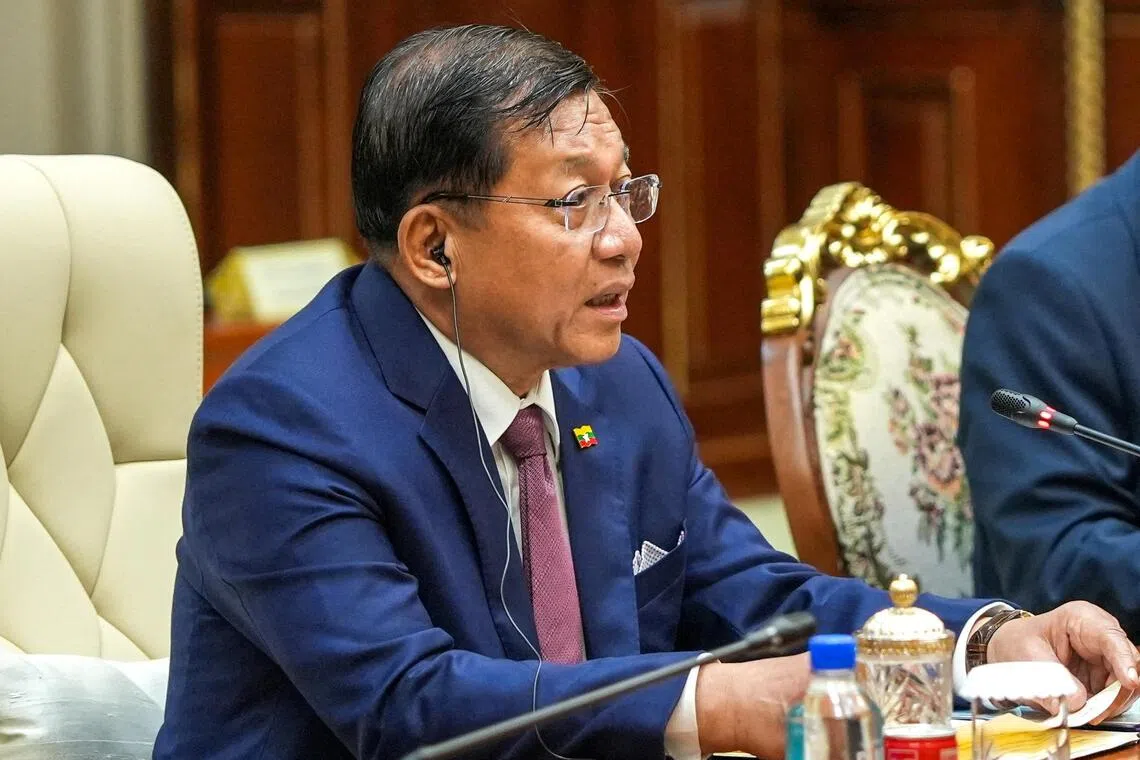
- The release was announced not by the junta's State Administration Council but by the Office of the President — a title Min Aung Hlaing awarded himself on April 10, framing the amnesty as a civilian presidential act.
- The December 2025–January 2026 polls took place in only 42% of Myanmar's territory, and the military-proxy USDP won 88% of contested seats; the EU called the election "not free, fair, inclusive, or credible," ASEAN refused to recognize it, and the UN OHCHR branded it a "charade."
- China was the first country to formally acknowledge Min Aung Hlaing's presidency — Ambassador Ma Jia called on him April 6, and Xi Jinping sent congratulations — while Beijing's envoy Deng Xijun spent 18 months pressuring ethnic armed groups, placing MNDAA leader Peng Daxun under house arrest in Kunming, and engineering the April 2025 return of Lashio to military control.
- Section 401, Subsection 1 of Myanmar's Code of Criminal Procedure — the clause under which Win Myint was freed — permits the re-arrest of any pardoned individual for the remainder of the original sentence plus any new penalty on re-offense, per The Irrawaddy's reporting.
- The ICC's arrest warrant application against Min Aung Hlaing has been pending before Pre-Trial Chamber I since November 27, 2024, and spokesperson Oriane Maillet told DVB that the general's civilian pivot changes nothing under the Rome Statute.
Why it matters: The Thingyan amnesty frees one high-profile prisoner while over 22,000 political detainees remain jailed and the UN has recorded more than 1,022 airstrikes on civilian targets since the coup. The decisive contest now moves to the autumn UN General Assembly Credentials Committee, which must choose between Myanmar's elected ambassador and a representative dispatched by Min Aung Hlaing's self-styled presidency.
Ask SkimNews