Merz Calls AfD 'Destructive Force' After Saxony-Anhalt Rout — SkimNews

Get the Geopolitics newsletter
Daily geopolitics — wars, elections, sanctions, the diplomatic moves that move markets. Free.
- Merz clashed with AfD leader Alice Weidel in the Bundestag, accusing the party of harming German interests by backing Russia and warning that its remigration plans would make it impossible for any care home, hospital, or restaurant to function.
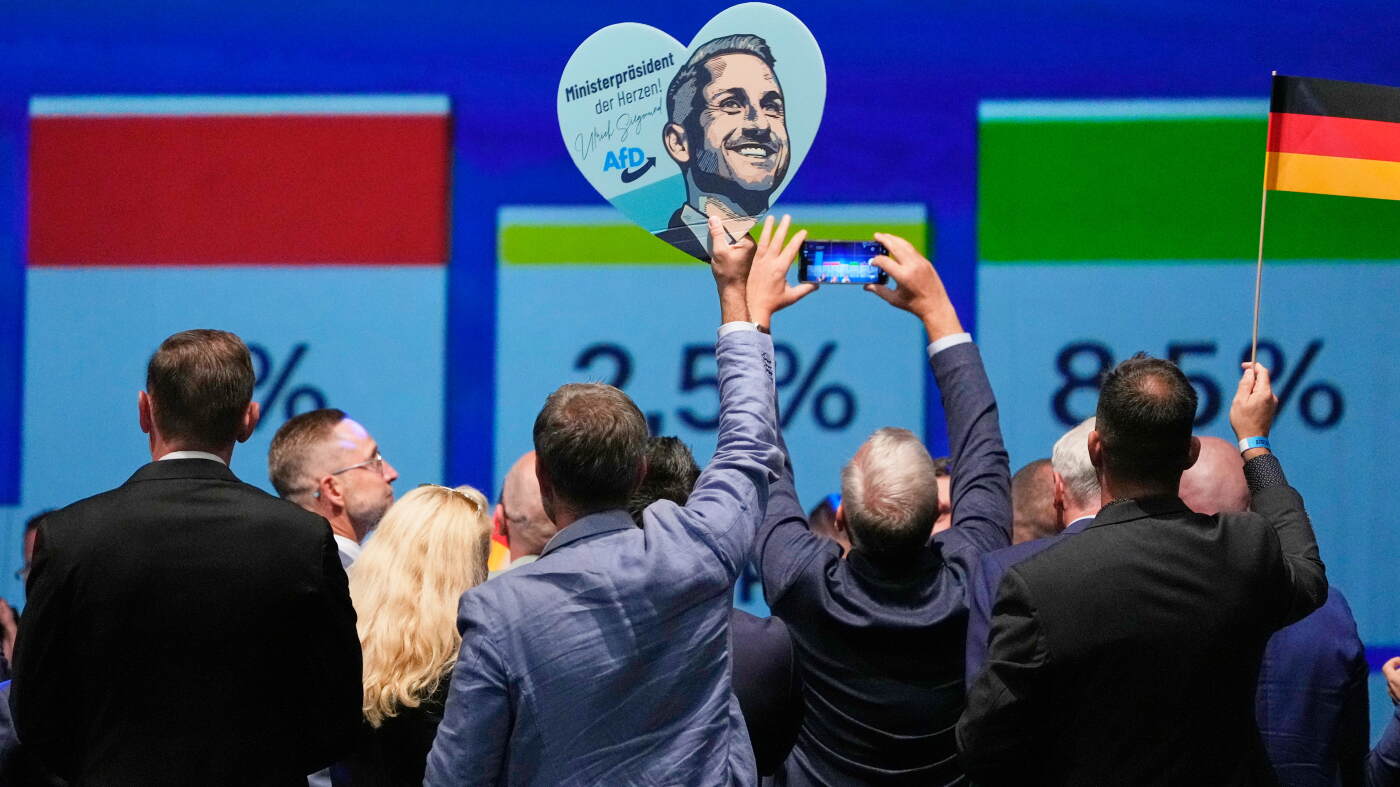
- AfD won almost 44% of the vote in Saxony-Anhalt while Merz's conservatives saw their vote more than halved to 17.2%, but the party fell three seats short of an outright majority and now faces uncertain coalition talks.
- Trump praised the result as "a really big night" for "the Populist Party in Germany," linking the AfD's win to "absolutely horrible immigration rules and regulations" — while his scheduled phone call with Merz marking the 25th anniversary of 9/11 was postponed without explanation.
- Merz told MPs that one in six skilled workers had a migration background and that AfD's deportation programme would amount to "nothing other than a synonym for ethnic cleansing in the skilled trades based on skin colour and origin."
- The AfD in Saxony-Anhalt has been labelled "right-wing extremist" by German domestic intelligence and has opened the door to working with the left-wing populist BSW to install candidate Ulrich Siegmund as state premier.
- The AfD's number two in Saxony-Anhalt suggested Merz's CDU could work with his party if it abandons the so-called Brandmauer firewall — a postwar convention under which no mainstream German party cooperates with the far right.
- Weidel told MPs mass migration had left Germans with daily knife violence on trains and in stations, but Merz said her party had cheated voters by reversing course on coalition conditions within hours of the result.
Why it matters: Merz chose full-throated confrontation over accommodation after a historic far-right breakthrough — but AfD's number two suggesting the CDU itself could work with his party if it drops the Brandmauer firewall points to pressure that could fracture Germany's postwar anti-far-right consensus. The unexplained postponement of the Trump-Merkel call adds diplomatic friction at a sensitive moment.
Ask SkimNews