LiuGong launches electric heavy equipment in US, Canada — SkimNews
SkimNews Take
Entering North America with a full battery-electric lineup — rather than diesel-first models later electrified — positions LiuGong's product sequencing differently from how established heavy-equipment makers historically approached new powertrain segments.
Get the Energy newsletter
Daily energy & climate — solar, EVs, oil, the policy fights and tech bets shaping the transition. Free.
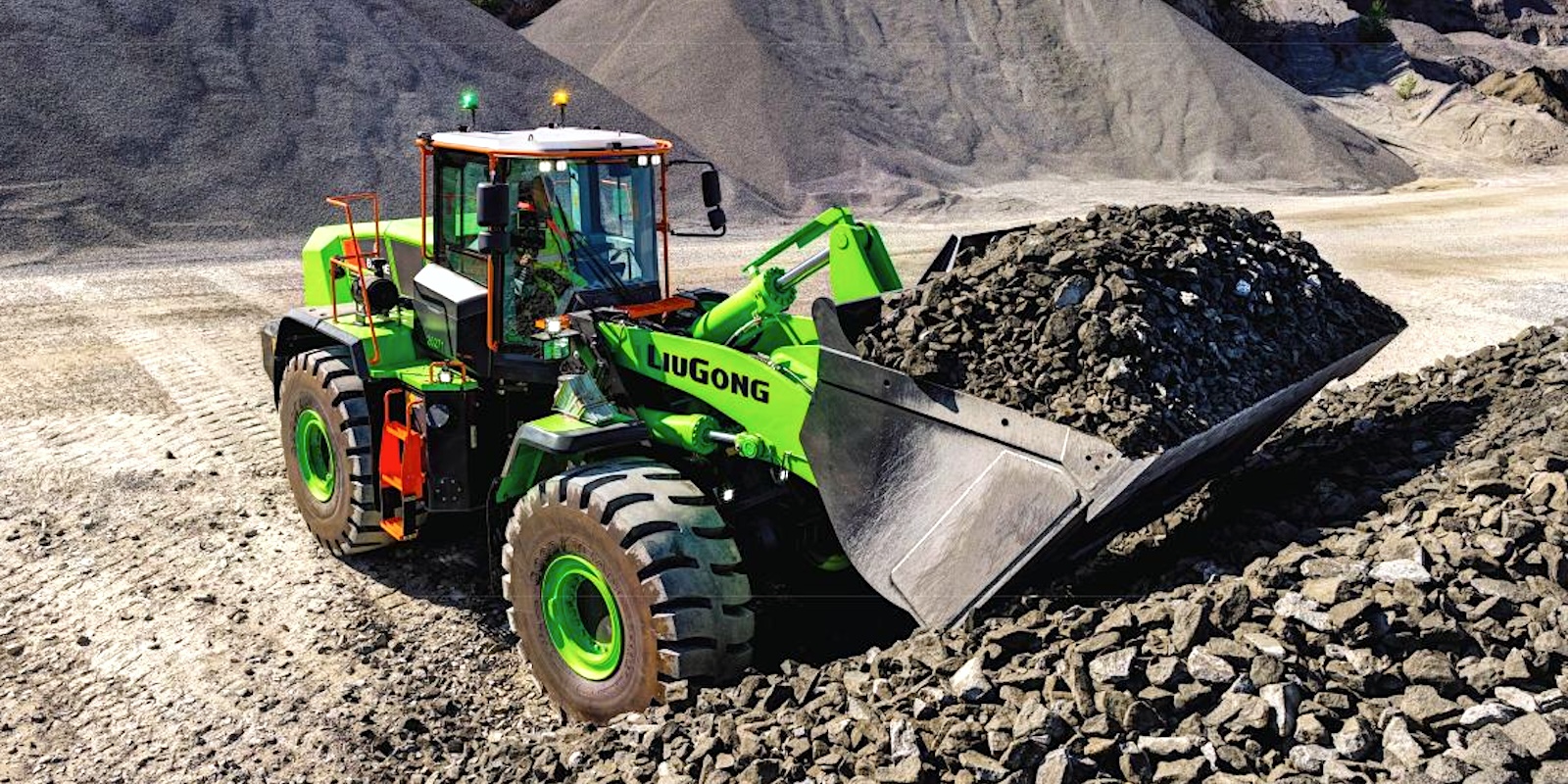
- LiuGong launched its battery-electric equipment and material handling portfolio in the US and Canada, with 15+ years developing electric machines and 60,000+ units already deployed globally
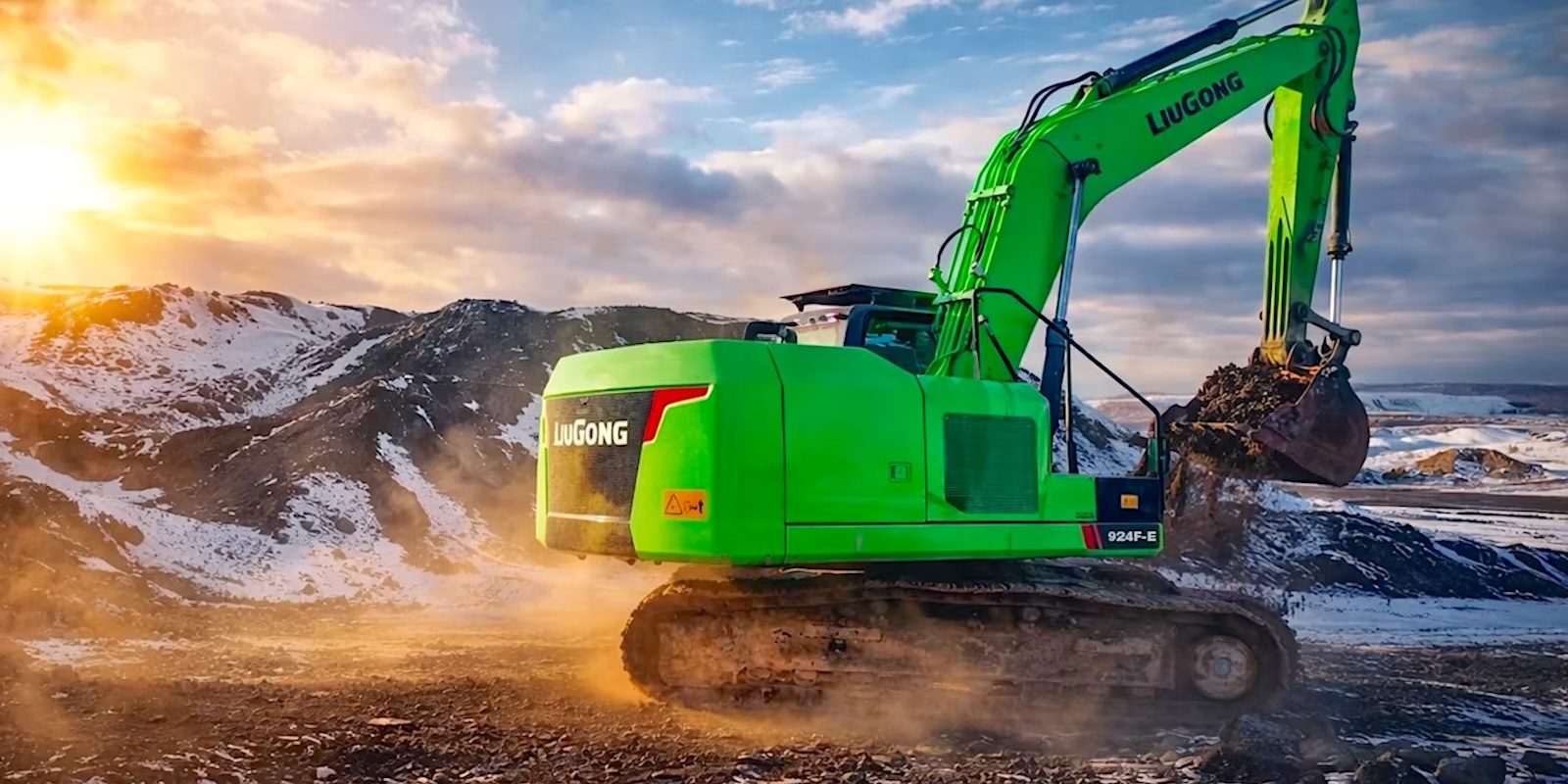
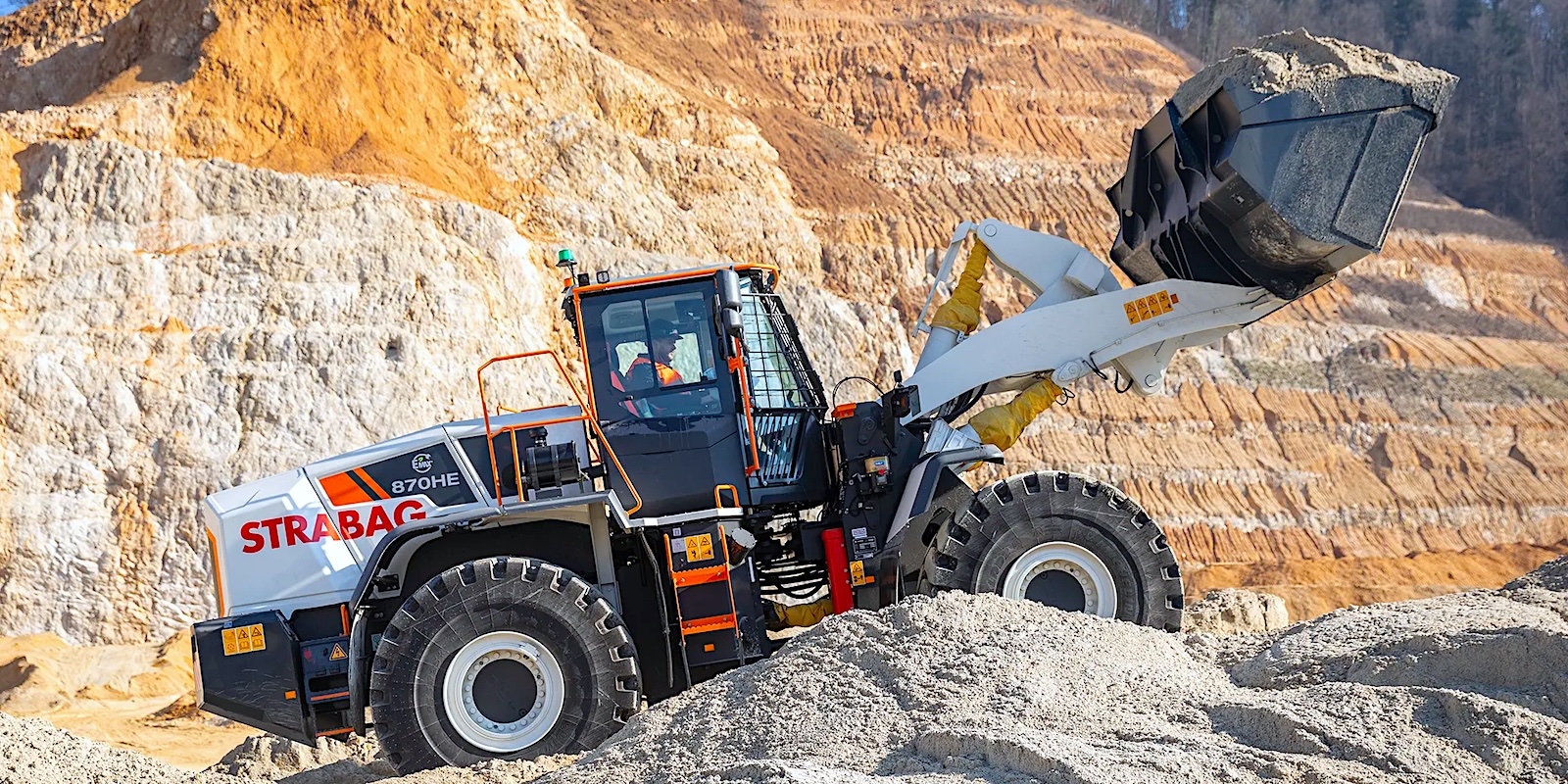
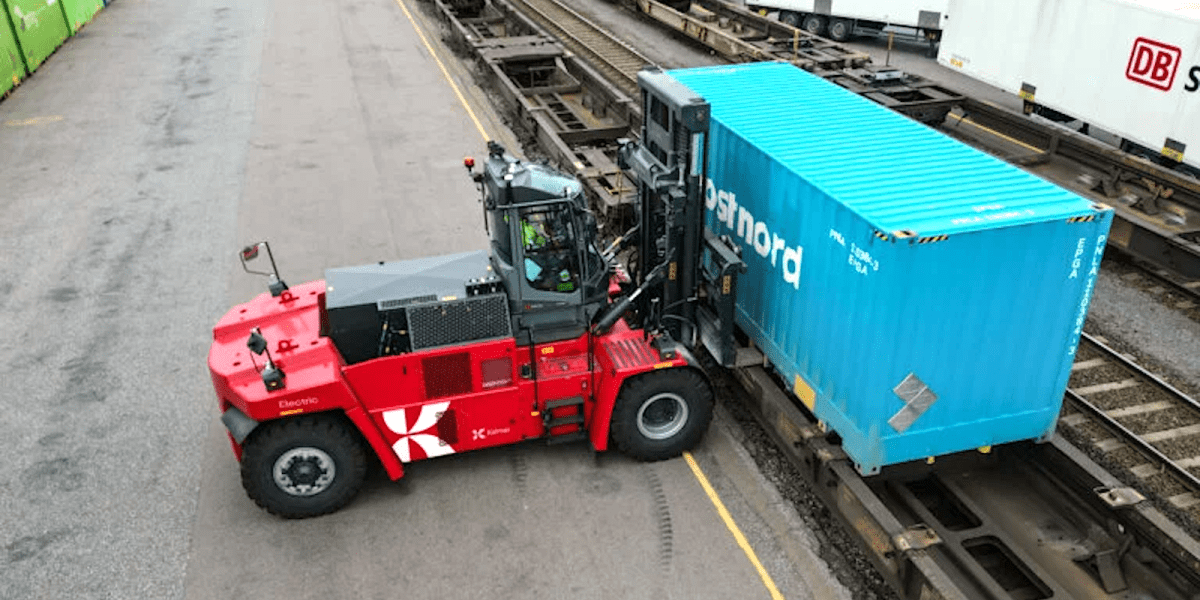
- The launch lineup includes the 856HE Battery-Electric Wheel Loader, 820TE Battery-Electric Loader, 924FE Battery-Electric Excavator, and LRSE4531E Fully Electric 45-Ton Reach Stacker
- LiuGong claims its HDEVs cut operating costs 40% to 50% versus comparable diesel machines, citing lower fuel, maintenance, and replacement-parts expenses
- Andrew Ryan, President of LiuGong North America, framed the move as removing the tradeoff between proven performance and zero-emission technology
- LiuGong plans to add battery-powered forklifts, warehouse equipment, and material handlers over the next 18 months as part of a broader rollout through 2027
- Battery packs and electric motors on the equipment carry five-year or 10,000-operating-hour warranty coverage, with a demonstrated wheel loader running 19,900 hours on its original battery at 86.8% capacity in a corrosive phosphate mining operation
Why it matters: LiuGong is bringing an unusually broad single-manufacturer electric heavy-equipment catalog to North American construction and forestry fleets at a time when fleet operators face decarbonization pressure and rising diesel costs. The 40% to 50% claimed operating-cost reduction targets fleet managers' core budget line, while the 5-year/10,000-hour battery warranty and 19,900-hour phosphate mine case study directly address durability skepticism that has slowed EV adoption in heavy industry.
Ask SkimNews