Semi-solid gels ship as solid-state batteries stay — SkimNews

Get the Energy newsletter
Daily energy & climate — solar, EVs, oil, the policy fights and tech bets shaping the transition. Free.
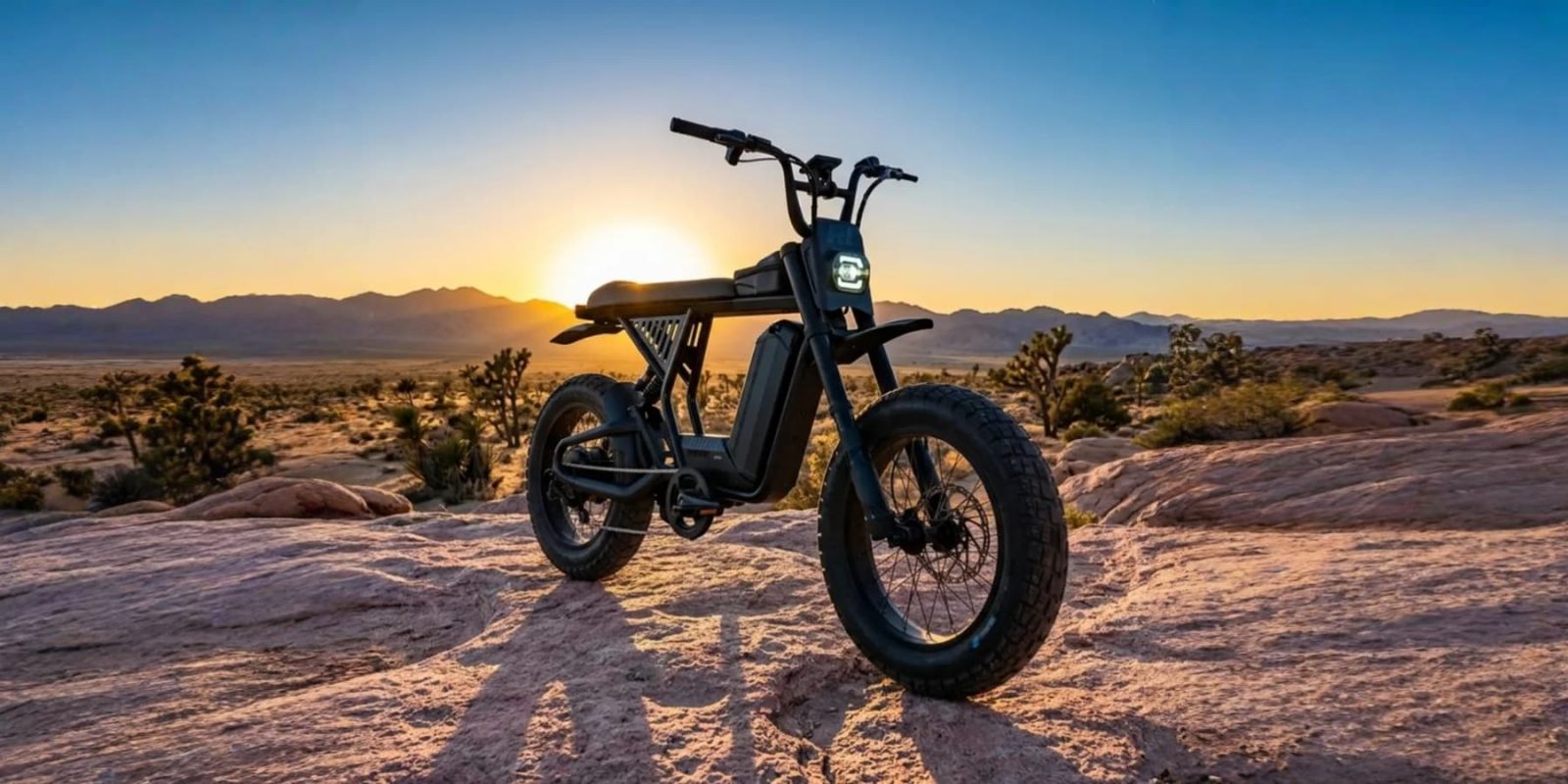
- Ride1Up announced the Revv1 EVO in early May 2025, calling it "the world's first semi-solid-state electric bike," with a 1,040Wh battery from Heyuan Lithium Inno rated for 1,200+ charging cycles and 2-hour charging; shipping begins August 2026.
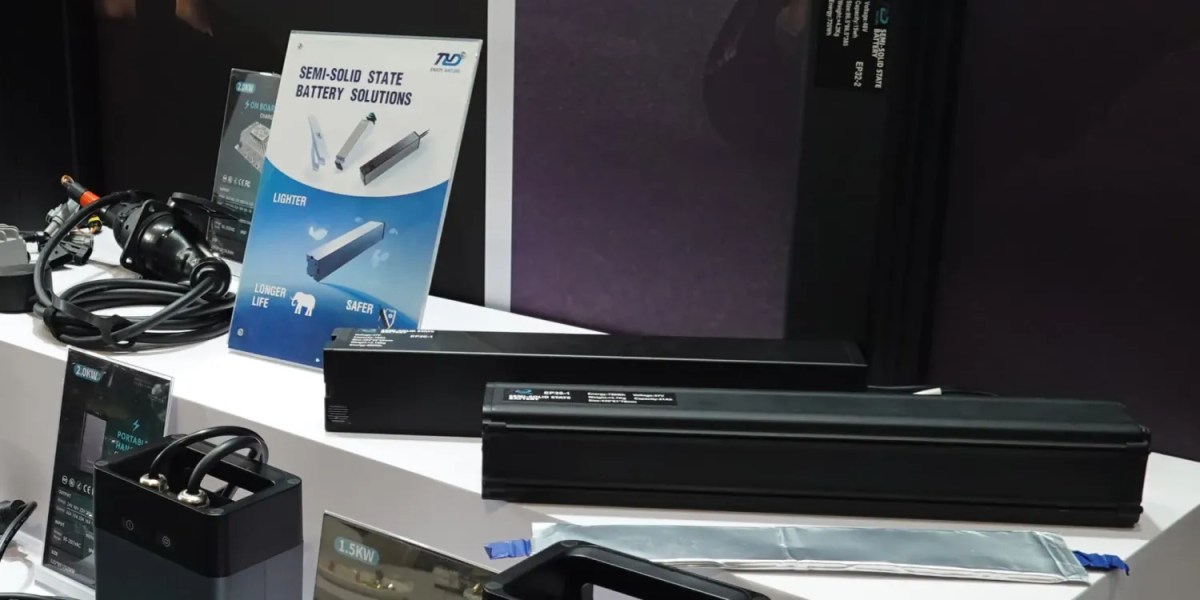
- Giant announced at the end of May it is working on at least five mass-produced e-bikes using Heyuan Lithium Inno's semi-solid-state batteries, plus a T&D (Bafang spinoff) battery claiming 50% more capacity than lithium-ion and 21% weight reduction.
- Vivo's X200 series (announced in 2024) combined a semi-solid-state electrolyte with a silicon-carbon anode in its BlueVolt battery, a design that continues in the X300 Ultra.
- Donut Lab's claimed "miracle" solid-state battery was thoroughly debunked by independent battery experts in a 45-minute investigation on Ryan Inis Hughes's Ziroth YouTube channel.
- China's December 2025 e-bike rules now require batteries to pass a puncture test to ensure they don't ignite or explode, a regulation driving manufacturers toward semi-solid-state adoption.
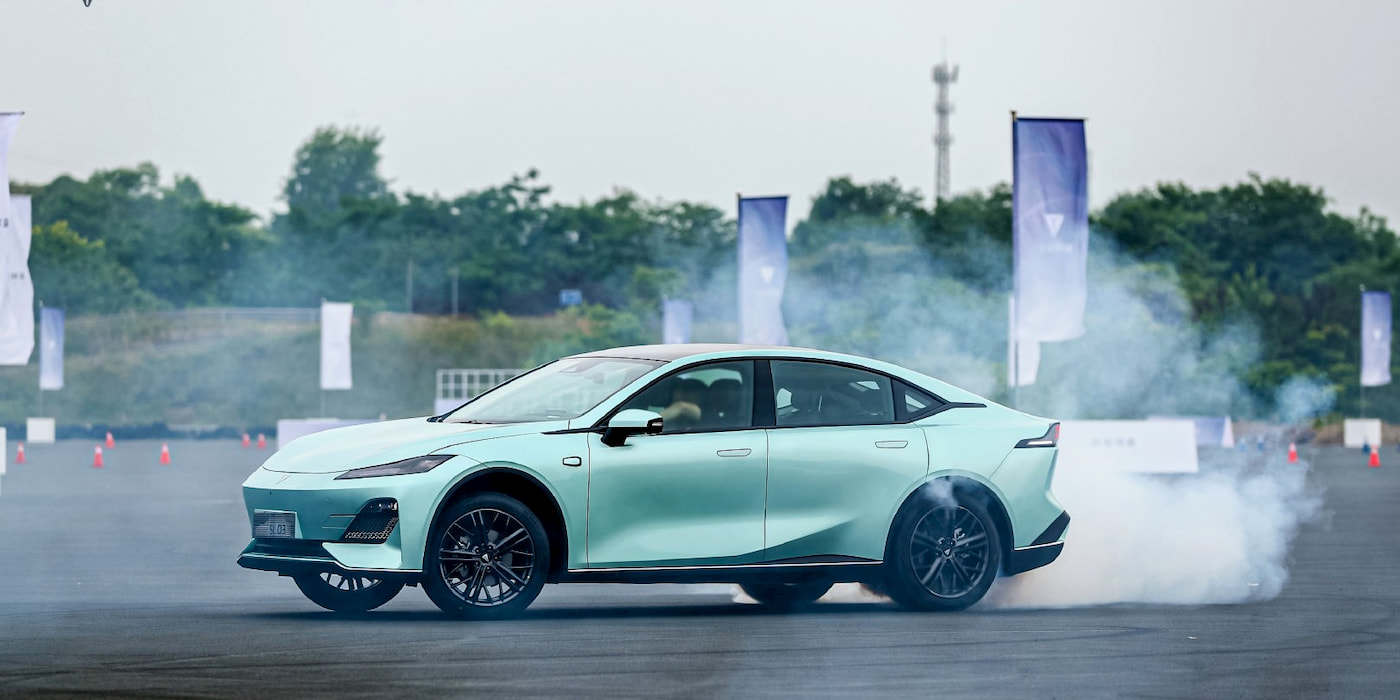
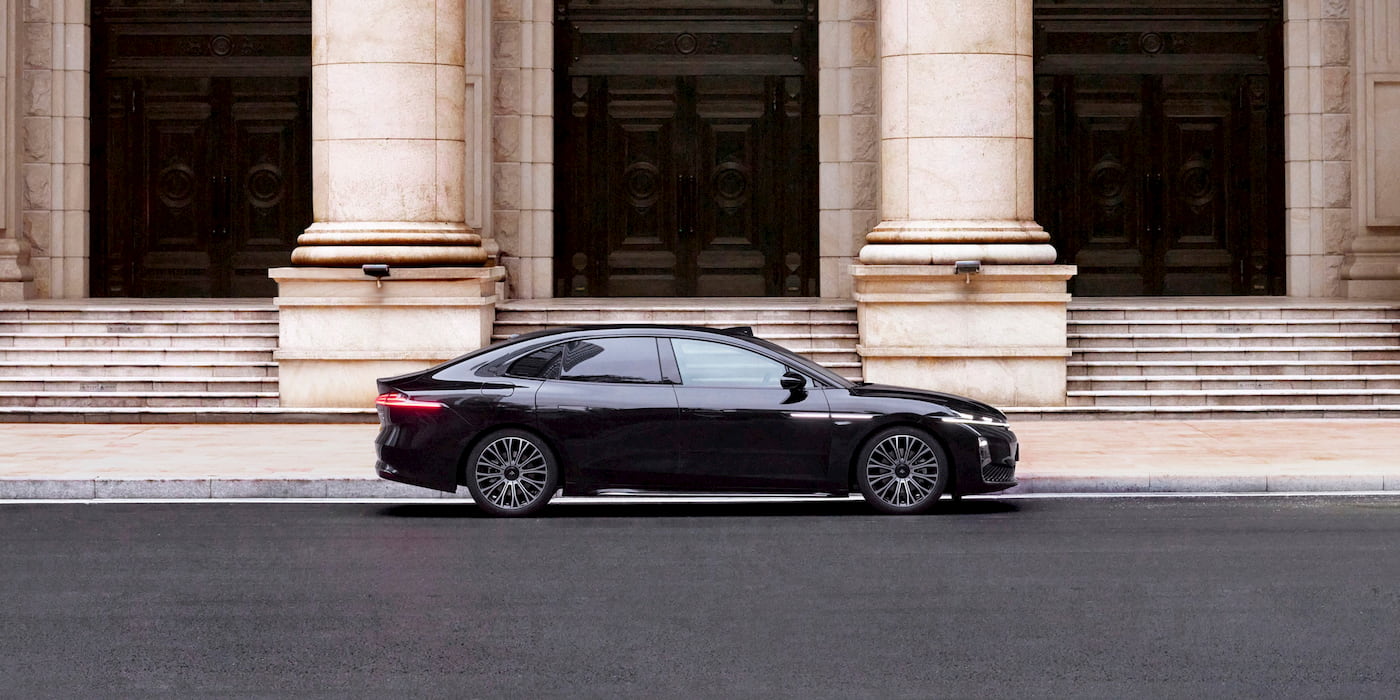
- SAIC is following up its "world's first mass-produced semi-solid-state EV" with a $15,000 MG 4X SUV using SolidCore batteries, coming to Europe later this year; Lotus's CEO says true solid-state mass production is a decade away.
Why it matters: Semi-solid-state batteries can be manufactured on existing lithium-ion assembly lines with minor adjustments, meaning safer, longer-lasting cells can scale without retooling—and with China controlling the world's battery supply, its December 2025 puncture-test regulations could push semi-solid into the de facto global standard while true solid-state stays out of reach.
Ask SkimNews