Trump faces Hormuz shutdown, market crash risk — SkimNews

Get the Finance newsletter
Daily finance — markets, central banks, M&A, the prints that move money. Free.
- Dow Jones fell 10.01% below its record‑closing high through March 27.
- Nasdaq slipped 12.56% below its record‑closing high through March 27.
- S&P 500 pulled back 8.74% from its record‑closing high through March 27.
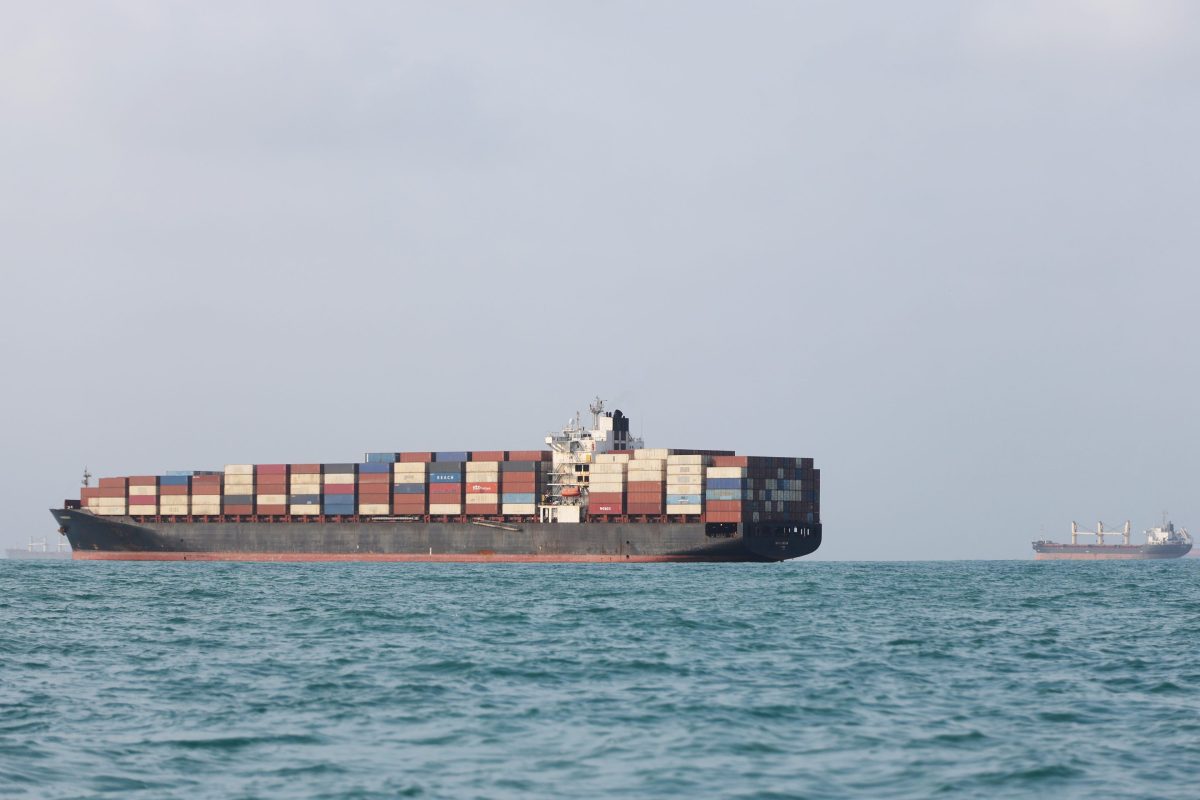
- Strait of Hormuz was closed by Iran after the Feb 28 start of the Iran‑Israel war and remained shut as of March 29, creating the largest historic energy supply disruption and driving gas prices higher.
- Ryan Detrick posted a dataset of 43 major geopolitical events since 1940, noting that only oil‑price‑shock events have a higher likelihood of causing significant S&P 500 declines, while 65% of other events saw the index higher a year later.
- OPEC’s 1973 Arab oil embargo caused the S&P 500 to tumble 45% within a year, and Iraq’s 1990 invasion of Kuwait led to a double‑digit drop three weeks later.
- Bespoke Investment Group reported that over the past 96 years the S&P 500 has experienced 27 declines of at least 20% and 27 rises of at least 20%; the average bear market lasts 286 days, while the current AI‑driven bull market has exceeded 1,200 days.
Why it matters: The closure of the Strait of Hormuz has spiked oil and gas prices, undermining expectations of Federal Reserve rate cuts and increasing the likelihood of a market crash under President Trump. Equity investors face heightened downside risk, while long‑term investors could find entry points as history shows rebounds after such shocks.
Ask SkimNews