Phages could enable us to hijack vaccine immunity to kill cancer cells — SkimNews

Get the Health newsletter
Daily health & science — research, biotech, public health, the studies worth knowing. Free.
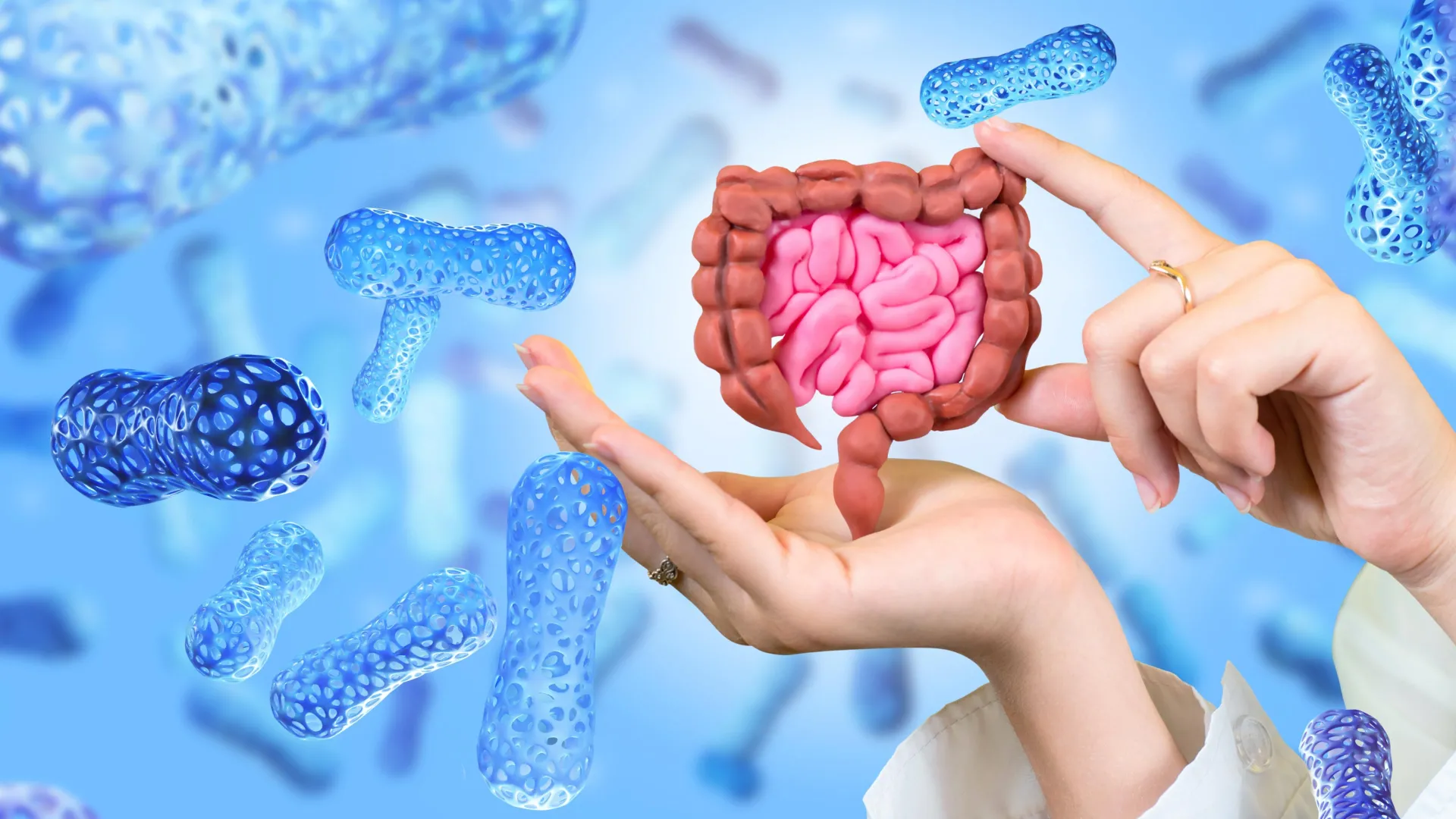
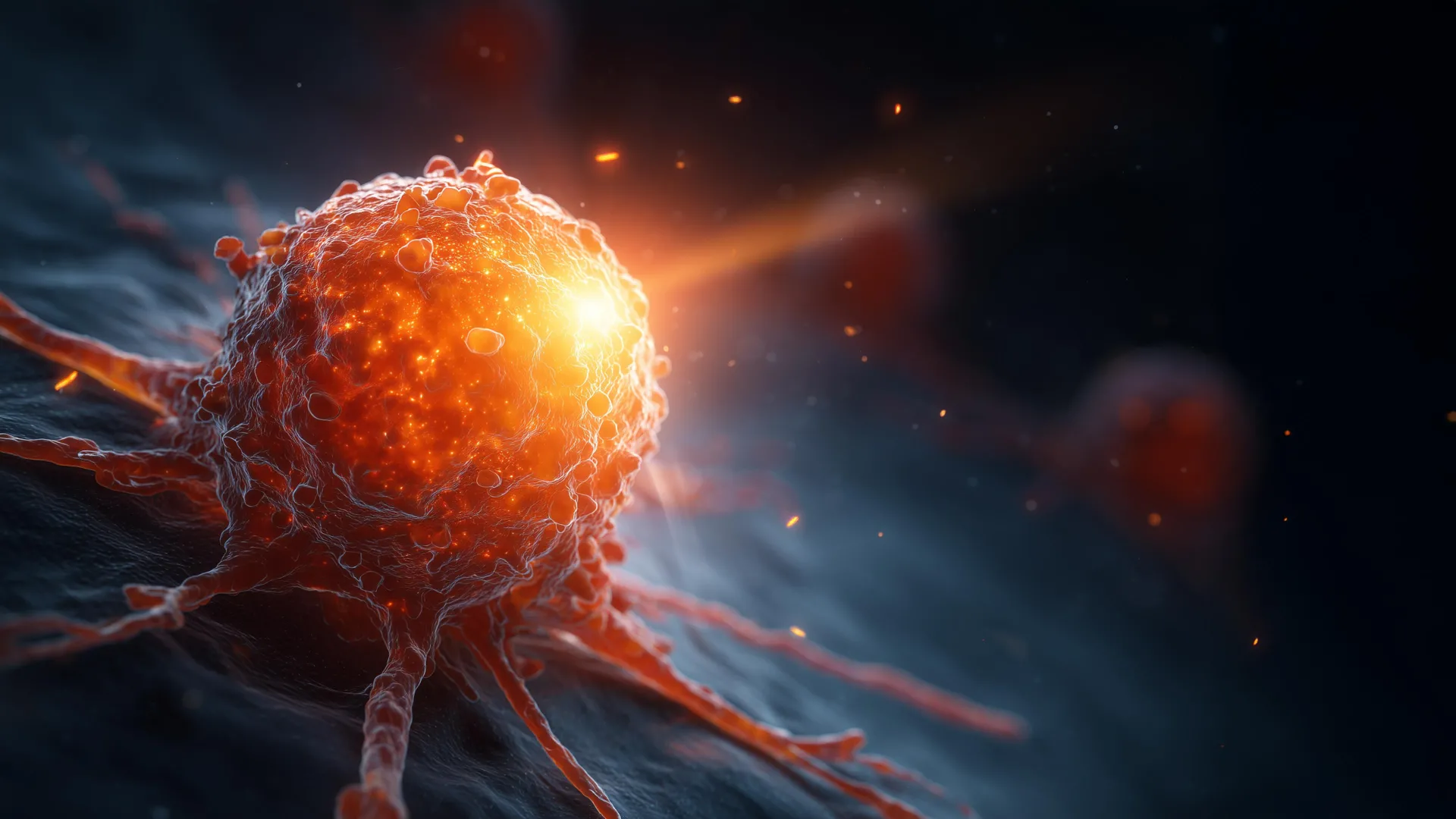
- Amin Hajitou at Imperial College London led a team that genetically engineered a phage that normally infects E. coli so it binds to αvβ3 and αvβ5 integrins (proteins abundant on tumors but largely absent from healthy cells) and carries a malaria antigen to flag tumor cells for immune attack.
- In a 60-mouse trial, 15 animals were first given a malaria vaccine and then injected with the engineered phages over two weeks; 44% of those treated mice had their tumors eradicated with no recurrence a year after the study ended, while remaining treated mice still outlived all control groups.
- David Withers at the University of Oxford said the approach improves on existing oncolytic viruses because the phages can be administered systemically rather than requiring direct injection into each tumor, making metastatic disease potentially treatable.
- Hajitou said swapping the malaria antigen for any stronger vaccine target — such as seasonal flu or covid-19 — should work even better, since the strategy exploits pre-existing immune memory rather than anything unique to malaria.
- The researchers are in discussions with the UK's MHRA about launching an early-stage human trial, which they hope to begin next year, according to the study published in Biomaterials.
Why it matters: If the principle holds in humans, oncologists could repurpose the billions of routine vaccine doses already given each year as ready-made immune ammo against cancer — turning a one-time personalized therapy into a systemic, off-the-shelf treatment that reaches metastatic sites oncolytic viruses can't. The 44% cure rate in mice is striking, but the real test is whether human immune memory cooperates the same way mouse immune memory did.
Ask SkimNews