Dublin Bank Worker Recruited on LinkedIn to Face Spain — SkimNews
Get the Sports newsletter
Daily sports — scores, transfers, the storylines from the leagues you actually follow. Free.
- Roberto Lopes was a mortgage adviser playing part-time for Bohemians in Dublin's League of Ireland before Shamrock Rovers offered him a full-time football contract in 2017, ending his bank career.
- Cape Verde coach Rui Aguas discovered Lopes' father Carlos was Cape Verdean and reached out via LinkedIn; Lopes ignored the Portuguese-language message as spam, prompting Aguas to follow up nine months later.
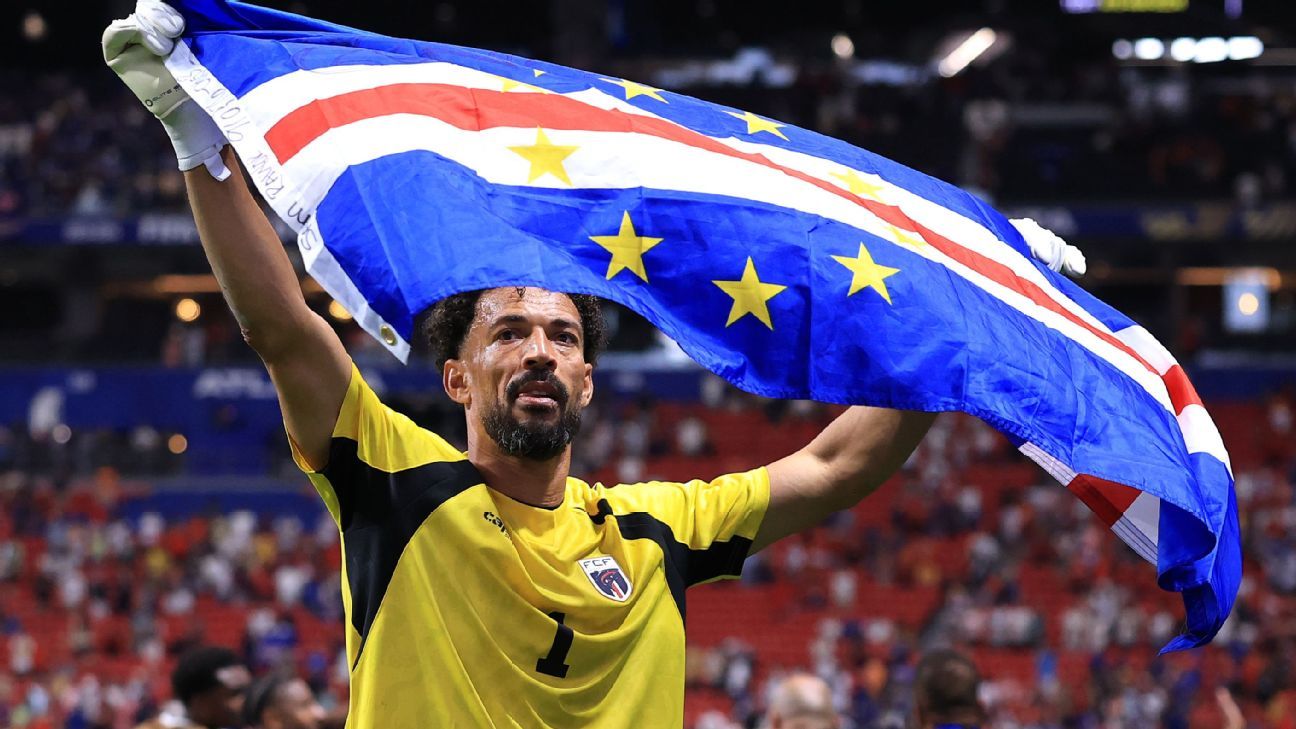
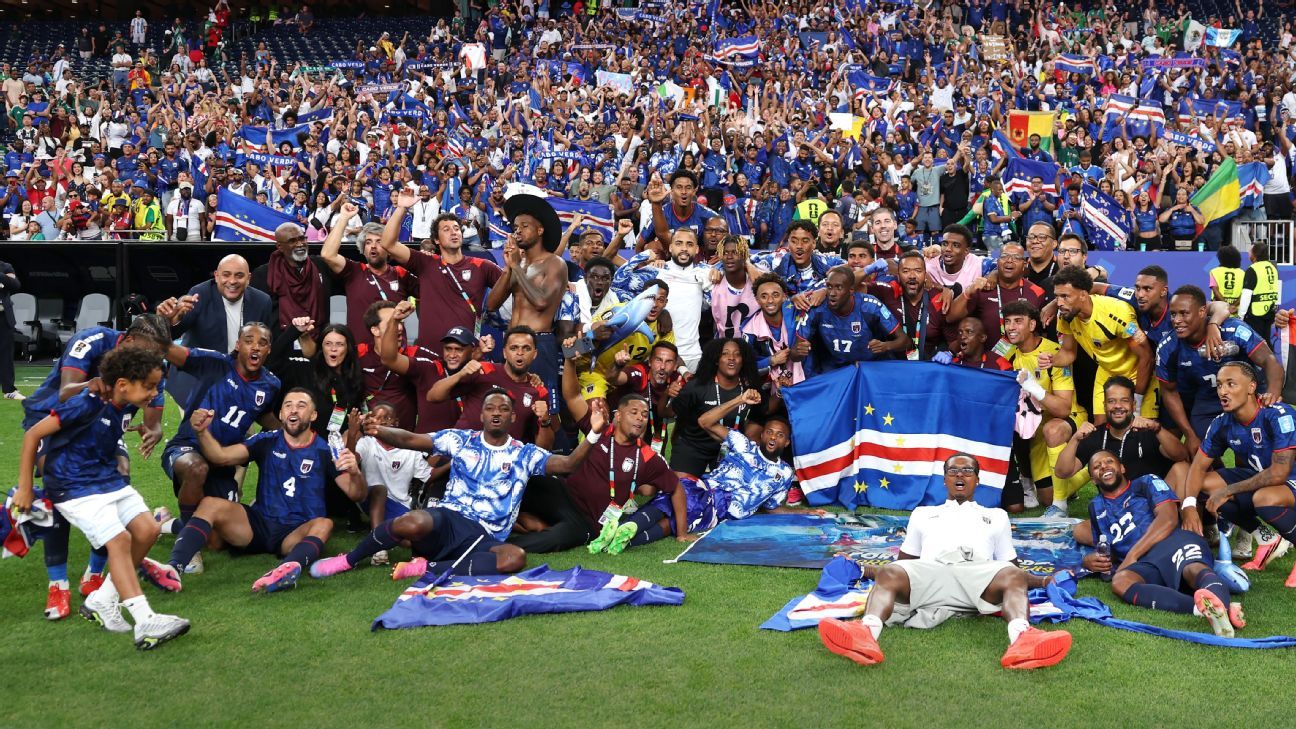
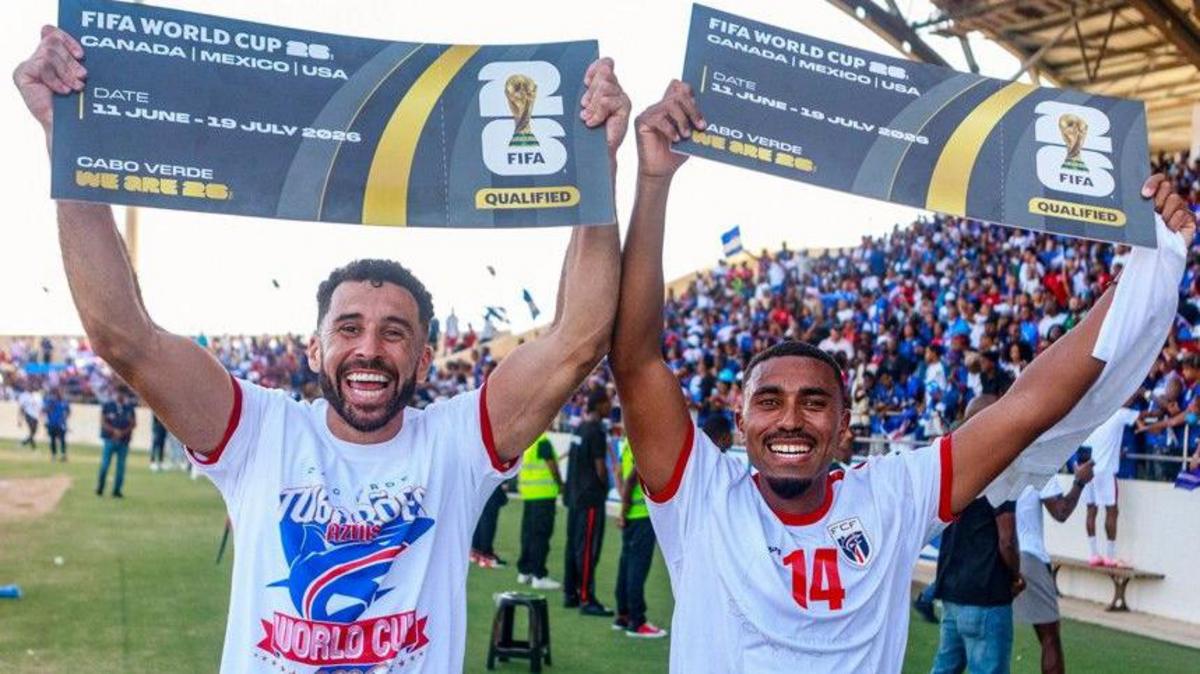
- Lopes won his first Cape Verde caps in 2019 and has been a regular starter for seven years; days after helping the Blue Sharks qualify for the 2026 World Cup, his wife Leah gave birth to their son Diego.
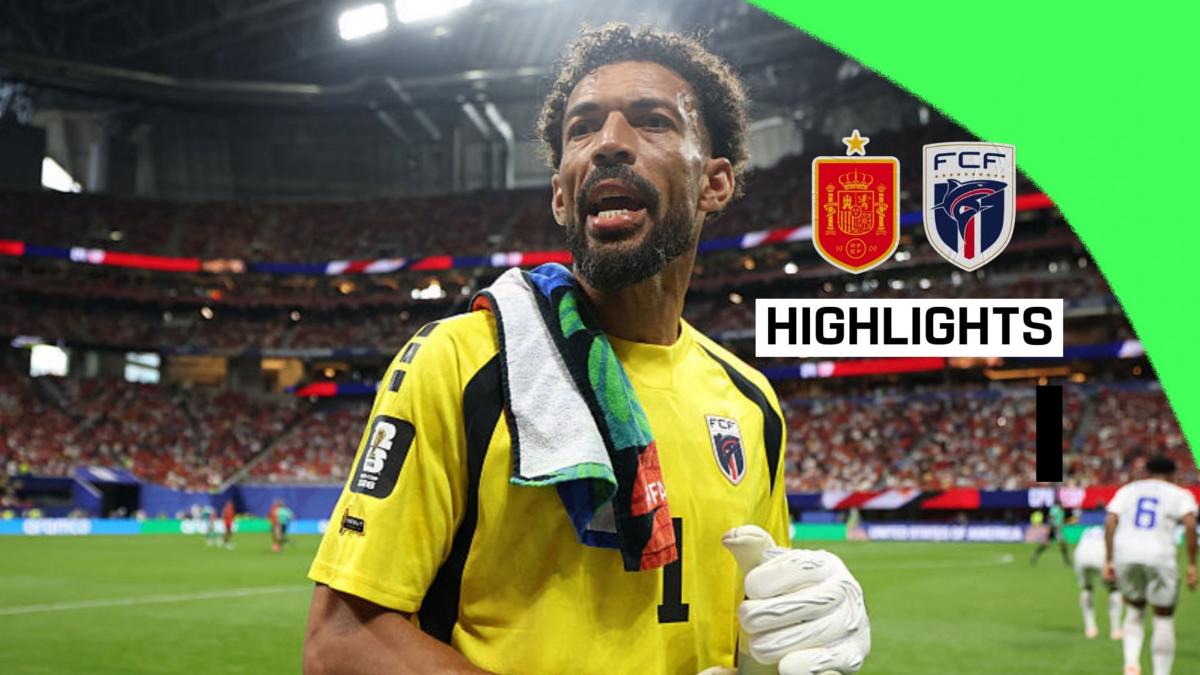
- Cape Verde — a nation of roughly 525,000 people across 10 Atlantic islands that joined FIFA in 1986 — face 2010 champions Spain in Atlanta on Monday (17:00 BST), with Saudi Arabia and Uruguay also in Group H.
- Cape Verde's world ranking has climbed from 182nd during Anselmo 'Jair' Ribeiro's playing days to 67th now; the Cape Verdean Football Federation operates with just seven full-time staff and sells international tickets in local bakeries and petrol stations.
- Massachusetts hosts an estimated 70,000–90,000 Cape Verdeans, the largest US population; Antonio Alves' Thony's Barbershop in Dorchester, near Boston, will screen Monday's game live with free snacks and drinks for the community.
- The 2026 World Cup, co-hosted by the United States, Canada, and Mexico, expanded from 32 to 48 teams, a format change that opened the door for Cape Verde's debut at the tournament.
Why it matters: Lopes' journey — from Dublin bank desk to a World Cup pitch in Atlanta — captures a unique moment for Cape Verde, a nation of roughly 525,000 people that has rocketed from 182nd to 67th in the FIFA rankings and become one of the smallest countries ever to reach a World Cup. The 48-team format expansion directly enabled their debut, giving the Cape Verdean diaspora in Massachusetts (70,000–90,000 strong) their first World Cup team to call their own.
Ask SkimNews