UN 'Red Alert' as RSF Drone Strikes Kill 45 in El Obeid — SkimNews

Get the Geopolitics newsletter
Daily geopolitics — wars, elections, sanctions, the diplomatic moves that move markets. Free.
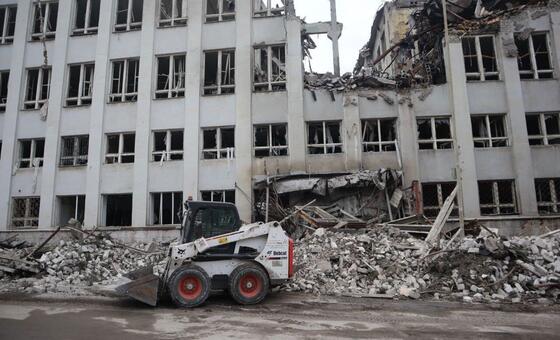
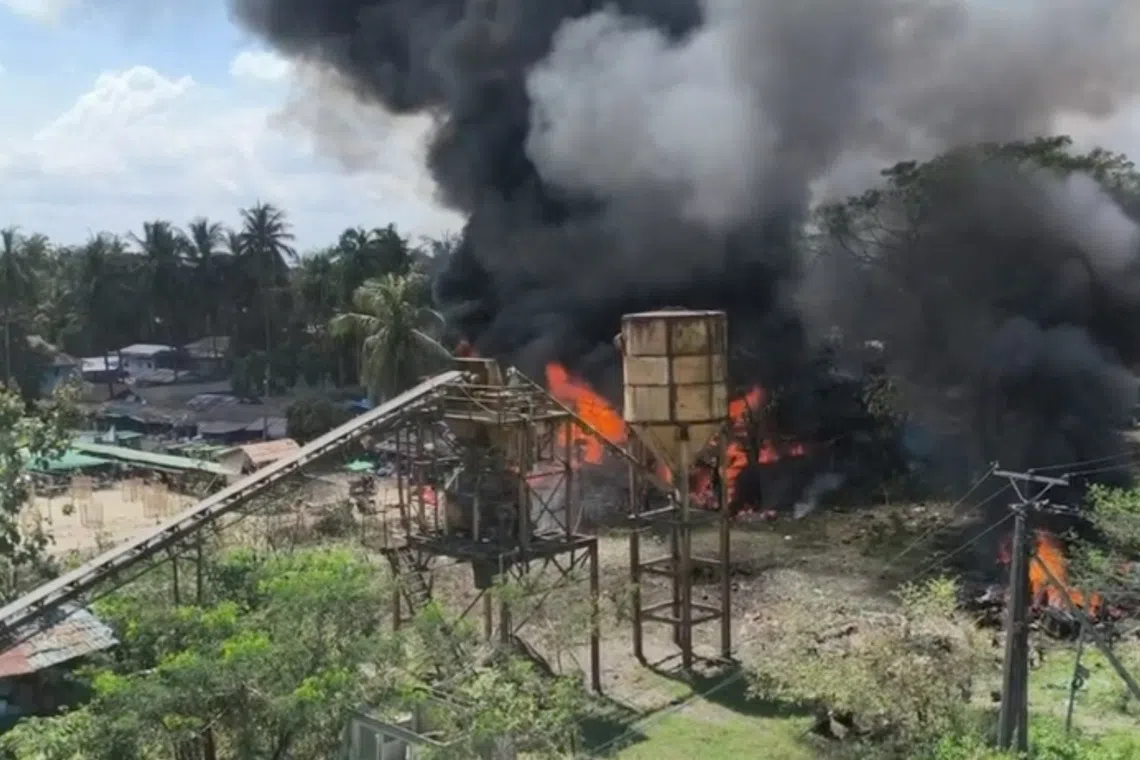
- Rapid Support Forces drone strikes on El Obeid killed at least 45 people and injured 41 others in 15 attacks between 6 and 28 June, according to the UN human rights office, with aid worker Fatima describing weekend strikes on schools and fuel stations as the most violent yet.
- Volker Türk, the UN high commissioner for human rights, told an urgent council debate in Geneva: "The signs from El Obeid are clear and unmistakable: another human rights catastrophe is unfolding. This is not a drill. It is a red alert."
- Amnesty International released a report this week finding the RSF committed ethnic cleansing and crimes against humanity in capturing El Fasher; a separate UN fact-finding mission said the seizure showed "hallmarks of genocide" against non-Arab communities.
- Yale Humanitarian Research Lab reported damage to electricity generation, fuel storage, and El Obeid's main market "consistent with intentional bombardment of civilian infrastructure necessary for the sustainment of life," plus a 700-structure jump in IDP camps in one month.
- ACLED recorded 27 drone strikes around El Obeid last month — the highest monthly total since the conflict began in April 2023 — while Fatima said drones have hit people gathering to share Starlink internet during telecommunications blackouts.
- El Obeid hosts roughly 100,000 displaced people and a Sudanese Armed Forces infantry division; aid workers told the Guardian that strikes on fuel stations have driven up transport costs, trapping residents who cannot afford to flee ahead of a feared RSF ground offensive.
- The Raoul Wallenberg Centre and a coalition of civil society groups referred high-level officials based in the UAE, Iran, Turkey, and Egypt to the International Criminal Court "for aiding and abetting atrocity crimes" in Darfur by supplying arms, mercenaries, and financing.
Why it matters: With 100,000 displaced people concentrated in a city where fuel strikes have made evacuation unaffordable, and a Yale lab report finding strikes target "infrastructure necessary for the sustainment of life," the El Obeid situation is shaping up as a legal test case for whether intentional destruction of civilian services meets the threshold of atrocity crimes — comparable to the documented genocide at El Fasher.
Ask SkimNews