Widening Credit Spreads Signal End of Easy-Money Era — SkimNews

Get the Finance newsletter
Daily finance — markets, central banks, M&A, the prints that move money. Free.
- Financial conditions must tighten if central banks are to bring inflation back to target, according to the opinion column.
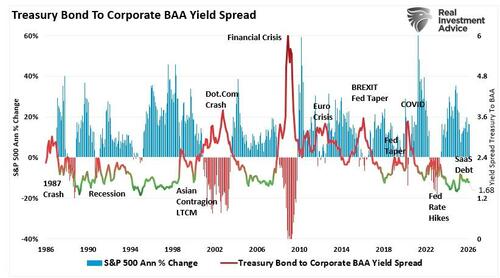
- Financial conditions eased considerably after peaking in late 2022 and early 2023, driven by falling interest rates and materially tightening credit spreads.
- The 2022–2023 easing was a global phenomenon, occurring not just in the U.S. but across sovereign and credit markets worldwide.
- Early signs suggest the easing trend is now reversing, even though conditions remain "remarkably loose" enough that stocks continue climbing despite several concerns.
- As central banks begin tightening policy, sovereign and credit spreads should begin to widen, and the author argues this signals how stocks are valued may be changing "for the worse."
Why it matters: Stock valuations have benefited from compressed credit and sovereign spreads since the late-2022/early-2023 peak; a regime in which central banks successfully tighten would unwind that tailwind. Investors positioned for continued loose conditions — the backdrop that has kept stocks climbing despite other concerns — face repricing risk if spreads widen as expected.
Ask SkimNews