Trump Unravels HON Rule on Petrochemical Pollution — SkimNews
Get the Energy newsletter
Daily energy & climate — solar, EVs, oil, the policy fights and tech bets shaping the transition. Free.
- Trump granted two-year exemptions from the HON rule to more than 50 petrochemical facilities last year, then issued 20 more temporary exemptions in July, with the EPA planning to propose a weakened rewrite of the regulation this fall.
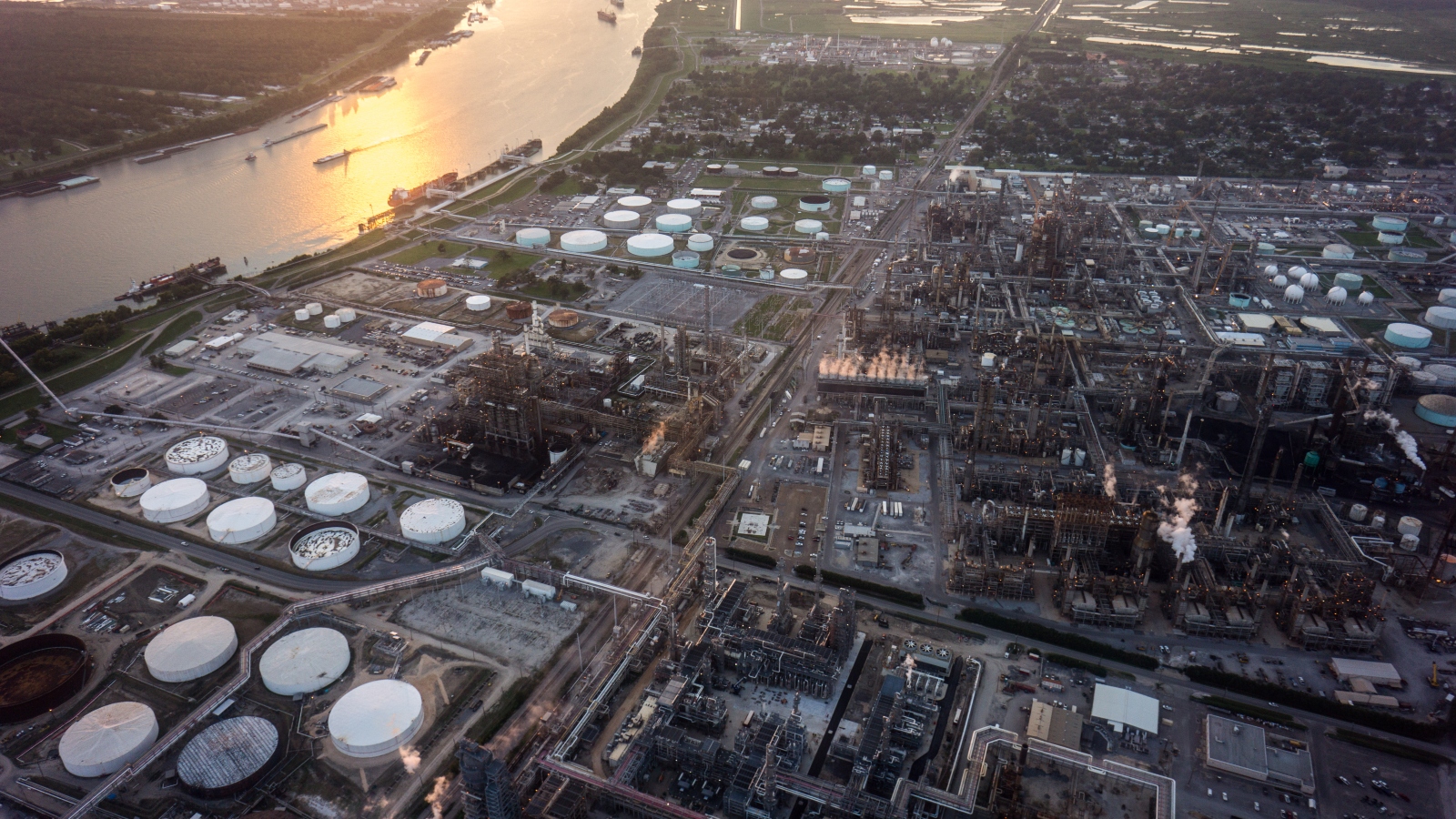
- The HON rule was signed in April 2024 by Biden's EPA chief Michael Regan after years of advocacy from communities in the 85-mile Louisiana corridor dubbed Cancer Alley, targeting six hazardous pollutants at approximately 220 petrochemical plants — nearly 60% of them in Texas and Louisiana.
- The EPA estimated the HON rule would prevent 6,200 tons of toxic air pollution annually, cut ethylene oxide and chloroprene emissions by nearly 80%, and reduce cancer risk from air toxics by 96% in communities near covered plants.
- St. John the Baptist Parish, where the Taylor family lives, has the country's highest risk of cancer from air pollution at nearly 50 times the national average, with a disproportionate share of those exposed being Black residents.
- Trump's exemption orders invoked a Clean Air Act provision allowing temporary exemptions for 'national security interests' — a provision environmental lawyers say has never been used — and provided no evidence supporting their assertions.
- The HON rule rollback is part of a broader pattern: all nine air toxics rules issued by the Biden administration are now being rescinded, revised, or reconsidered, and the EPA has also proposed undoing Biden's changes to the Risk Management Program safety rule.
- A coalition including the Taylors' Concerned Citizens of St. John sued Trump and the EPA in federal court last October, arguing the national security claims amount to 'a pretext to relieve polluters from working to comply' with the HON rule.
Why it matters: This rollback reverses protections at roughly 220 petrochemical plants concentrated in Texas and Louisiana communities facing cancer risk from air pollution at nearly 50 times the national average. The 'national security' exemption precedent, combined with former petrochemical industry representatives now in top EPA posts, could let this legal tool spread to other Clean Air Act rules.
Ask SkimNews


