US-Iran Clash at UN Over NPT Vice President Pick — SkimNews

Get the Geopolitics newsletter
Daily geopolitics — wars, elections, sanctions, the diplomatic moves that move markets. Free.
- Christopher Yeaw, US assistant secretary for Arms Control and Nonproliferation, told the 11th NPT review conference that Iran's selection as one of 34 vice presidents was an 'affront' to the treaty, citing Iran's refusal to cooperate with the UN nuclear watchdog.
- Reza Najafi, Iran's ambassador to the IAEA, rejected the US statement as 'baseless and politically motivated,' arguing the US — 'the only state ever to have used nuclear weapons' — is unfit to police nonproliferation compliance.
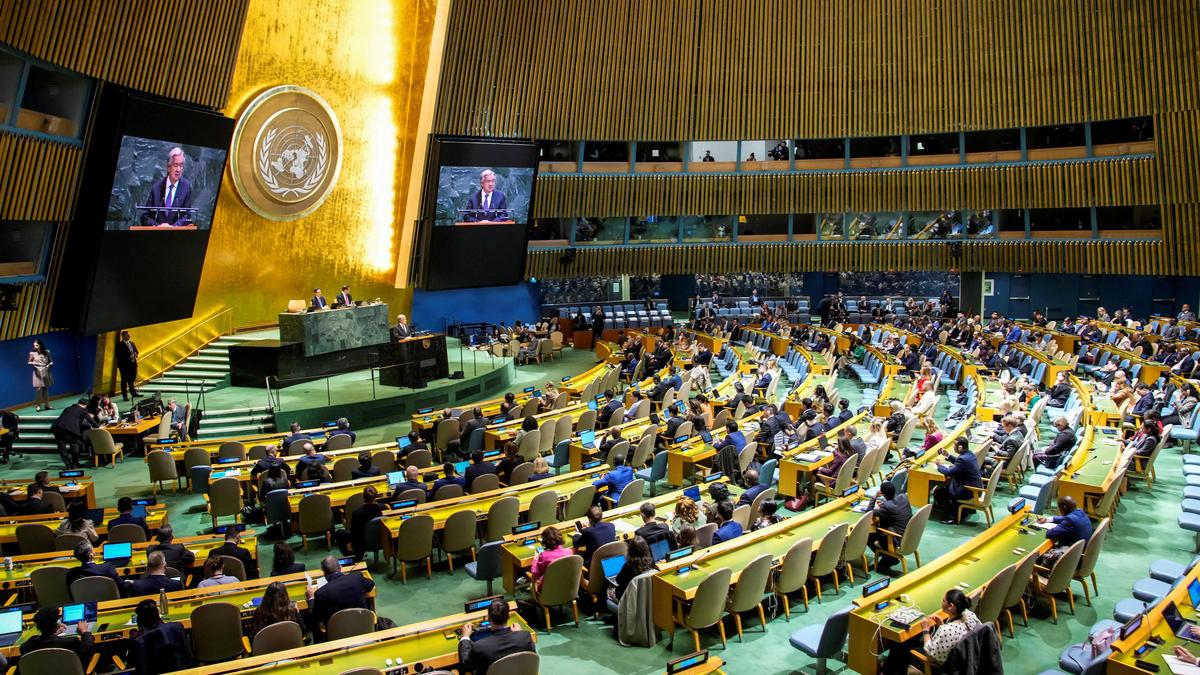
- The 11th NPT review conference opened April 27 at UN headquarters in New York, with conference chair Do Hung Viet of Vietnam explaining Iran's slot was filled by 'the group of non-aligned and other states.'
- Iranian sources disclosed Tehran's latest peace proposal: setting aside nuclear program discussions until the two-month war with the US and Israel ends and Gulf shipping disputes are resolved.
- Trump reiterated Sunday that 'Iran can never have a nuclear weapon,' and White House spokeswoman Karoline Leavitt told reporters the president's 'red lines' with Iran 'have been made very, very clear, not just to the American public, but also to them.'
- The IAEA and US intelligence community have separately assessed that Tehran once ran a nuclear weapons development program it shuttered in 2003, though Iran insists its uranium enrichment is for peaceful purposes only.
Why it matters: The vice-presidency dispute is more than symbolic theater: Iran is using its new platform to press for de-linking nuclear talks from the ongoing war, while the US is escalating diplomatic pressure by publicly calling the role an 'affront' to nonproliferation credibility. With Trump reaffirming 'Iran can never have a nuclear weapon' and Tehran conditioning any nuclear discussion on ending the conflict first, the NPT conference has become another front in the two-month war rather than a venue for de-escalation.
Ask SkimNews