Solar Hits Record 14.4% of UK Electricity in July — SkimNews

Get the Energy newsletter
Daily energy & climate — solar, EVs, oil, the policy fights and tech bets shaping the transition. Free.
- Solar supplied 14.4% of Great Britain's electricity in July, smashing the previous monthly record of 12.4% set in May and running 50% higher than July 2024's 9.6%, according to the National Energy System Operator (Neso).
- Great Britain recorded 142,536 new solar installations in the first half of 2025 — the most in any six-month period since 2011 — putting 2026 on track to exceed last year's record annual additions.
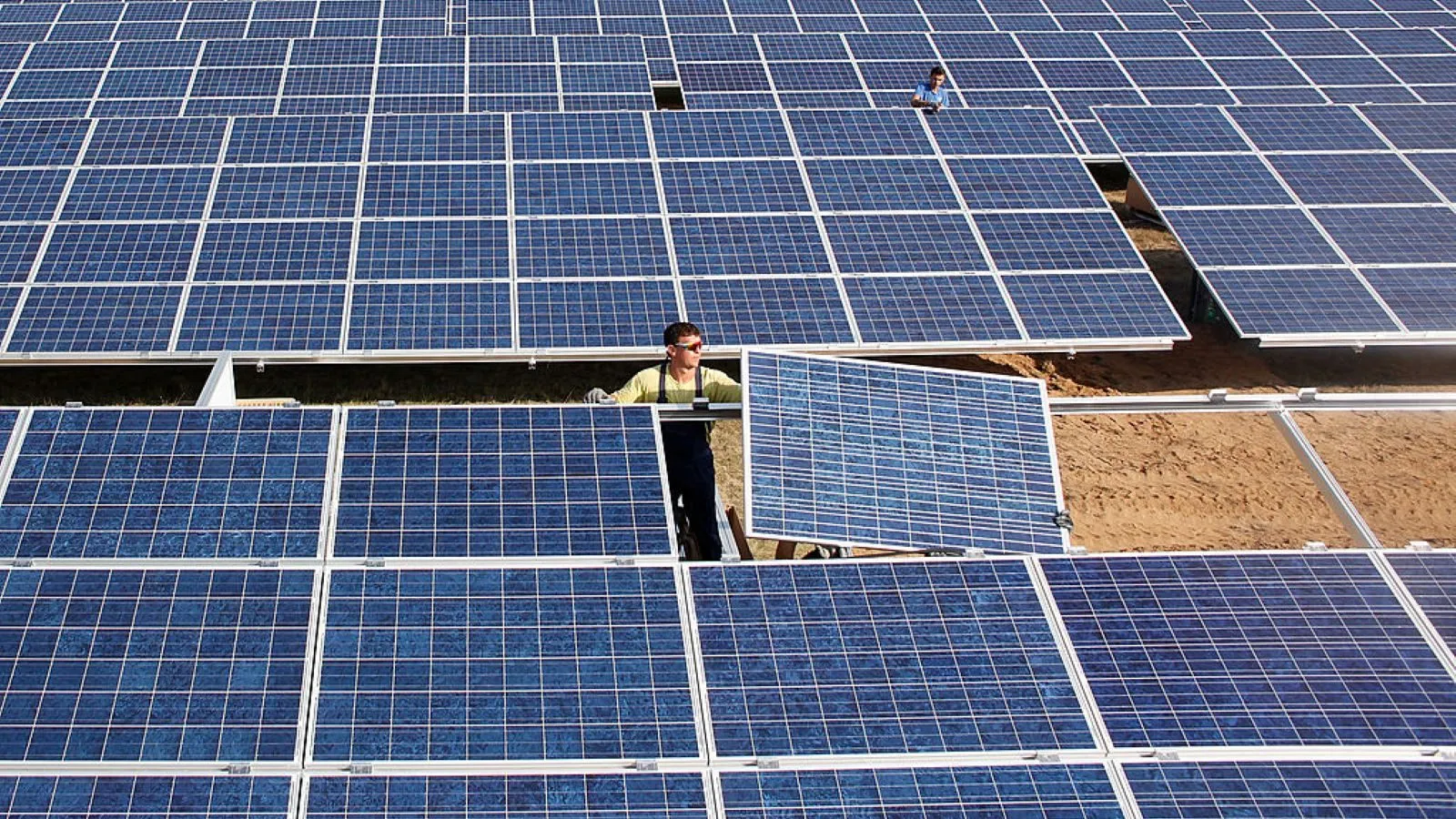
- Rooftop household panels account for the lion's share of new installations but represent slightly less than a third of the UK's total solar capacity, meaning large ground-mounted farms still dominate generation.
- Cleve Hill in Kent became the UK's largest operating solar farm at 373 MW last summer, dwarfing the original 1.4 MW Wheal Jane farm in Cornwall and set to be overtaken by the planned 800 MW Springwell project in Lincolnshire, expected online by 2029.
- Chris Hewett, chief executive of Solar Energy UK, said solar has gone from "a footnote" in the electricity mix 15 years ago to "a major player, delivering homegrown, cheap, clean and reliable energy."
- A typical UK home with rooftop solar powered the equivalent of over five hours of air-conditioning per day during the June heatwave, according to clean power thinktank Ember — a rare upside of the heatwaves that have caused drought, wildfires and heat-related deaths across Europe.
Why it matters: The 14.4% July share looks weather-driven, but the 142,536 installations recorded in H1 2025 show structural momentum that will outlast any sunny spell. Rooftop panels — the majority of new builds — now let households shave peak summer air-conditioning demand off the grid, while energy minister Michael Shanks uses the data to argue that domestic generation shields families from global fossil-fuel price swings.
Ask SkimNews