Airlines likely to bank fuel savings from Iran deal rather than lower ticket prices — SkimNews

Get the Finance newsletter
Daily finance — markets, central banks, M&A, the prints that move money. Free.
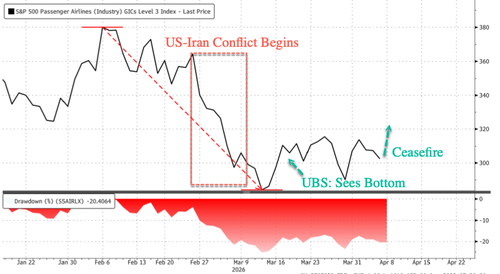
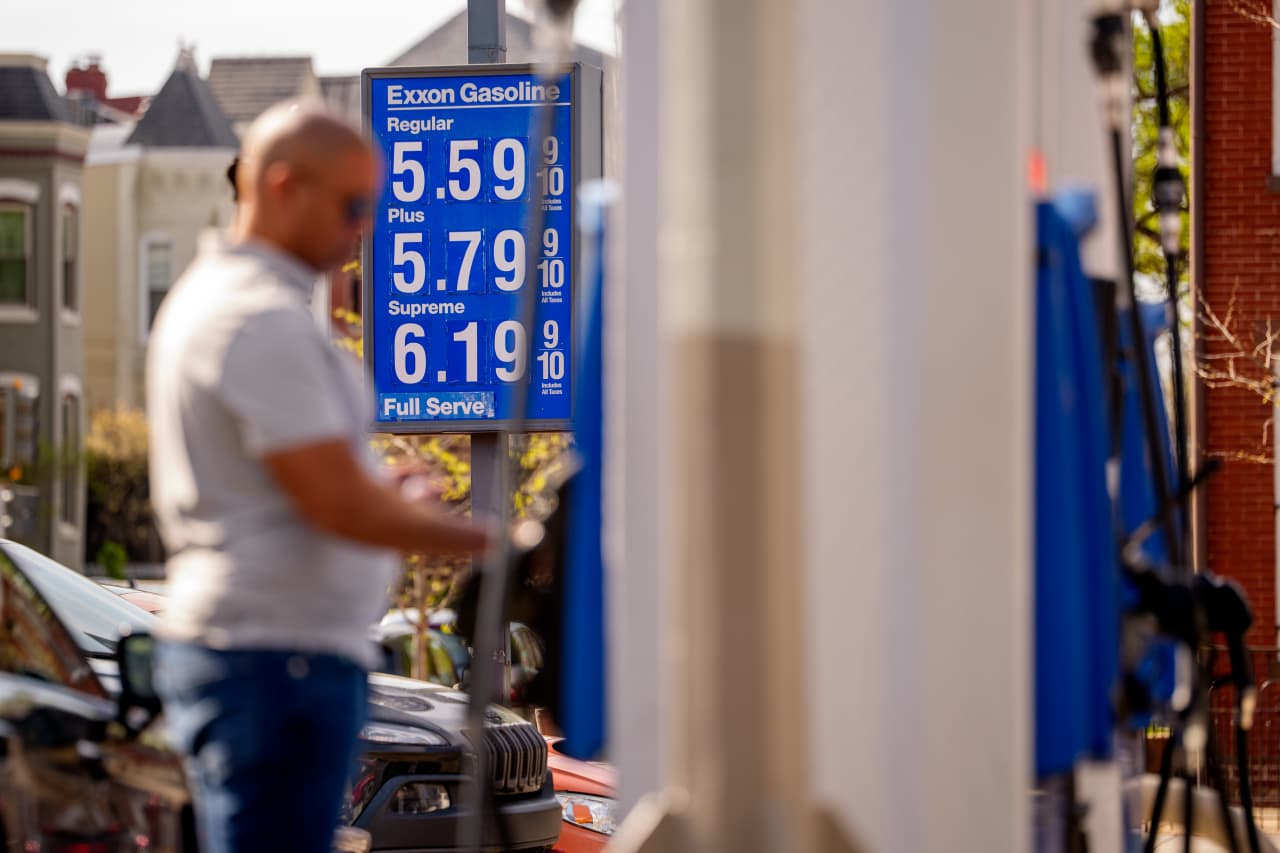
- U.S. airlines stand to save more than US$40 billion annually as jet fuel spot prices fell to US$2.85 a gallon on June 17 from US$4.88 in early April, per a Reuters calculation based on industry fuel consumption.
- Deutsche Bank estimated U.S. carriers are recovering only about 60 cents of every extra dollar spent on fuel — US$14.4 billion in higher revenue against US$24.1 billion in higher fuel costs through May.
- United Airlines CEO Scott Kirby told Reuters the carrier is "on a path to recovering 100 per cent" of its fuel-cost spike by year-end, while Raymond James data showed average domestic fares were up 34.1 per cent year-over-year as of June 8.
- U.S. domestic airline capacity is scheduled to grow just 0.4 per cent year-on-year in Q3, down from the 4.6 per cent expected before the latest Middle East tensions — a constraint J.P. Morgan said reduces the risk of a broad fare war.
- Jefferies estimated each 5-per-cent drop in its roughly US$3-per-gallon 2027 fuel-cost forecast would lift projected EPS by 10 to 15 per cent for Delta, Southwest, and United, and by as much as 50 per cent for American Airlines.
- Jet fuel still costs 54 per cent more than a year ago, and airline fuel bills reflect purchases over time, not spot prices, meaning the full earnings boost will lag the headline price drop.
Why it matters: Airlines recovered only 60 cents on every extra fuel dollar, so the fuel-price collapse converts almost dollar-for-dollar into margin expansion — Jefferies pegs a 5% fuel-cost drop at 10–50% EPS upside per carrier. With Q3 domestic seat growth capped at 0.4% and fares already 34% higher year-over-year, travelers face structurally elevated ticket prices that a peace deal alone will not reverse.
Ask SkimNews