Russia Lifts Quarantine After Irkutsk Plague Lab Death — SkimNews

Get the Geopolitics newsletter
Daily geopolitics — wars, elections, sanctions, the diplomatic moves that move markets. Free.
- Daria Shipilova, 28, died of pneumonia on 2 October, three days after hospital admission; she is an author on an abstract about testing Yersinia pestis strains for antibiotic resistance at the Irkutsk Anti-Plague Research Institute.
- Rospotrebnadzor on 7 October ended precautionary measures and released most of the ~200 quarantined contacts after tests found no dangerous pathogens.
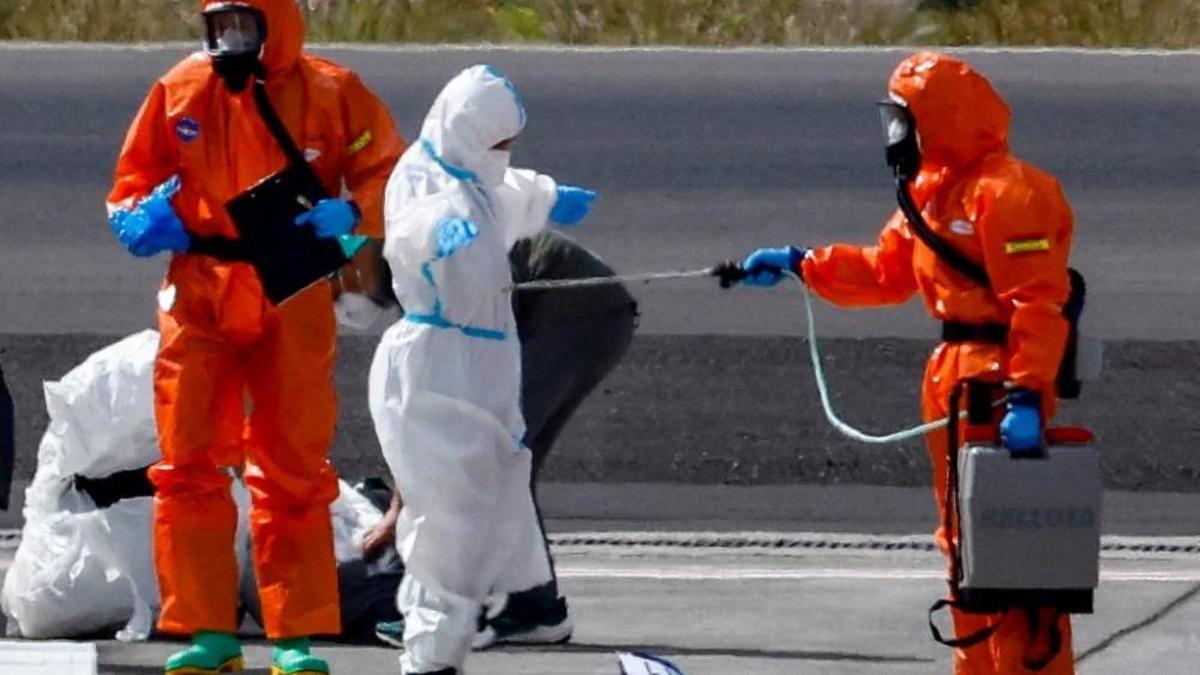
- Russia's response went far beyond ordinary plague protocols: ~60 institute employees were reportedly locked in for days, FSB officers escorted ambulances, and Rospotrebnadzor head Anna Popova flew six hours from Moscow to Irkutsk for an emergency meeting.
- The article contrasts the lockdown with a 2025 Arizona pneumonic plague death, where 46 contacts received a standard seven-day WHO-recommended course of antibiotics.
- MIT biologist Kevin Esvelt said the physical lockdown 'indicates it cannot be controlled with prophylactic antibiotics, implying engineered pan-resistance or that it isn't plague at all.'
- A 2006 paper by Raymond Zilinskas linked the Irkutsk institute to Soviet bioweapons research, and the article notes the USSR covered up the 1979 Sverdlovsk anthrax accident for years.
- The article's alternative explanation: officials may not have known what killed Shipilova, since Y. pestis testing takes three days, and may have overreacted due to unfamiliarity with standard plague procedures.
Why it matters: The physical lockdown — FSB escorting ambulances, 60 employees held for days — far exceeded standard plague protocols, where antibiotics typically suffice, suggesting officials suspected something beyond ordinary Y. pestis per MIT's Kevin Esvelt. With the institute tied to Soviet bioweapons work and Russia's history of denial, the source itself concludes the cause of Shipilova's death may never be clear.
Ask SkimNews