Russia Quarantines 200 After Plague Lab Worker Death — SkimNews

Get the Health newsletter
Daily health & science — research, biotech, public health, the studies worth knowing. Free.
- Daria Shipilova, a 28-year-old lab worker at the Irkutsk Anti-Plague Research Institute, died of pneumonia on 2 October, three days after hospital admission; a co-authored abstract links her to research testing plague strains for antibiotic resistance
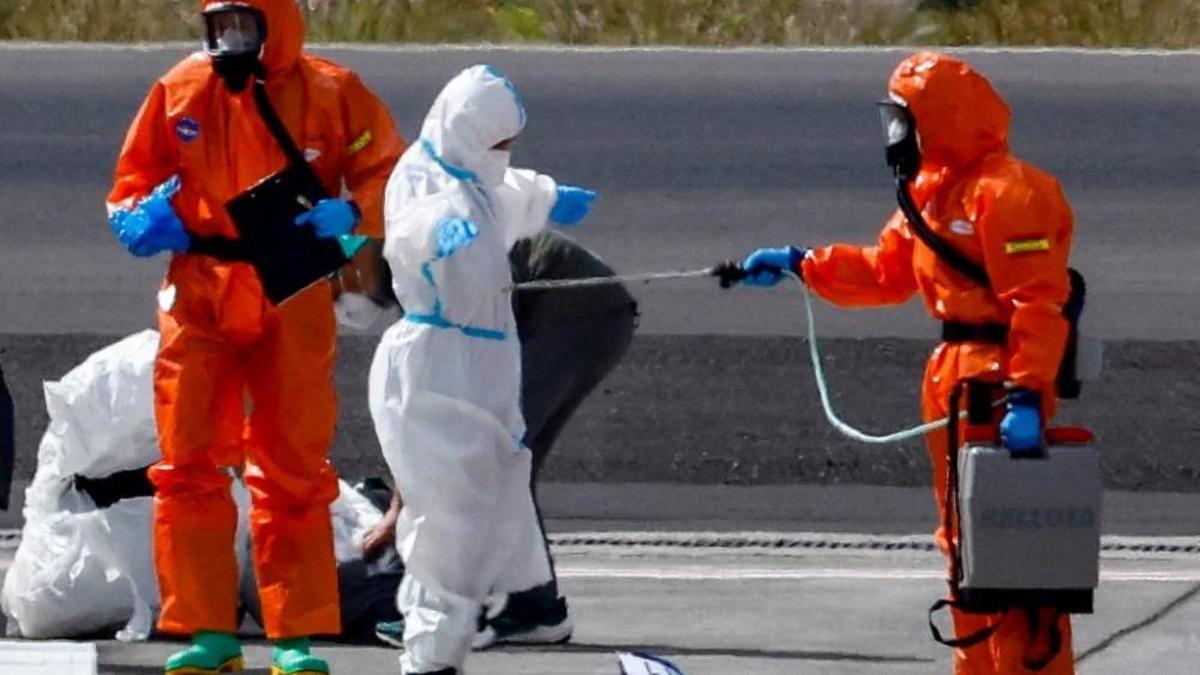
- Russia quarantined nearly 200 contacts, locked about 60 institute employees inside for days, deployed FSB officers to escort ambulances, and flew Rospotrebnadzor head Anna Popova from Moscow for an emergency meeting the same day
- On 7 October, Rospotrebnadzor ended precautionary measures and released most quarantined individuals after tests found no dangerous pathogens
- MIT biologist Kevin Esvelt argued the physical lockdown implies Russia believed the agent could be a 'pandemic weapon' with engineered antibiotic resistance, not ordinary plague
- A 2006 paper documents that the Irkutsk Anti-Plague Research Institute was previously involved in Soviet bioweapons research, and the USSR engineered antibiotic-resistant Yersinia pestis as part of its bioweapons program
- The response contrasts sharply with a 2025 Arizona pneumonic plague death, where 46 contacts received only a standard 7-day WHO-recommended antibiotic course with no lockdown
Why it matters: For global biosecurity investigators, the Irkutsk incident is unverifiable by design — Russia already concluded tests found nothing on 7 October, and the actual cause of Shipilova's pneumonia may never be disclosed. The 200-contact physical lockdown, with FSB escorting ambulances, was either a massive protocol failure or a response to an undisclosed engineered agent, and outside observers have no way to determine which.
Ask SkimNews