North Korea Balances Russia Arms Deals, China Trade — SkimNews

Get the Geopolitics newsletter
Daily geopolitics — wars, elections, sanctions, the diplomatic moves that move markets. Free.
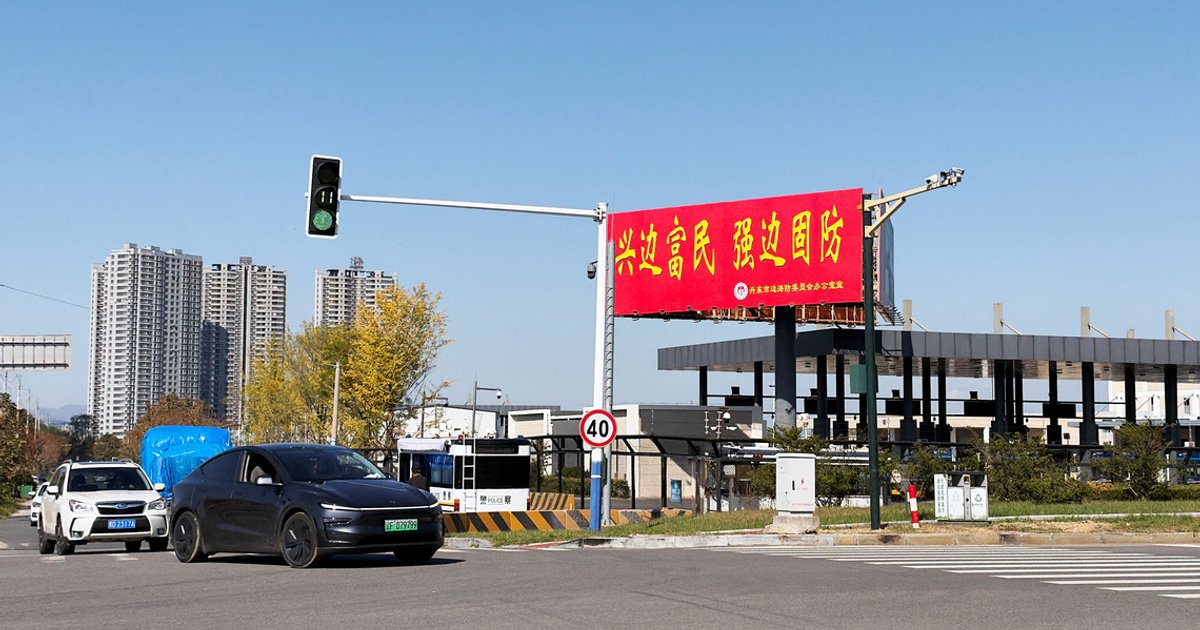
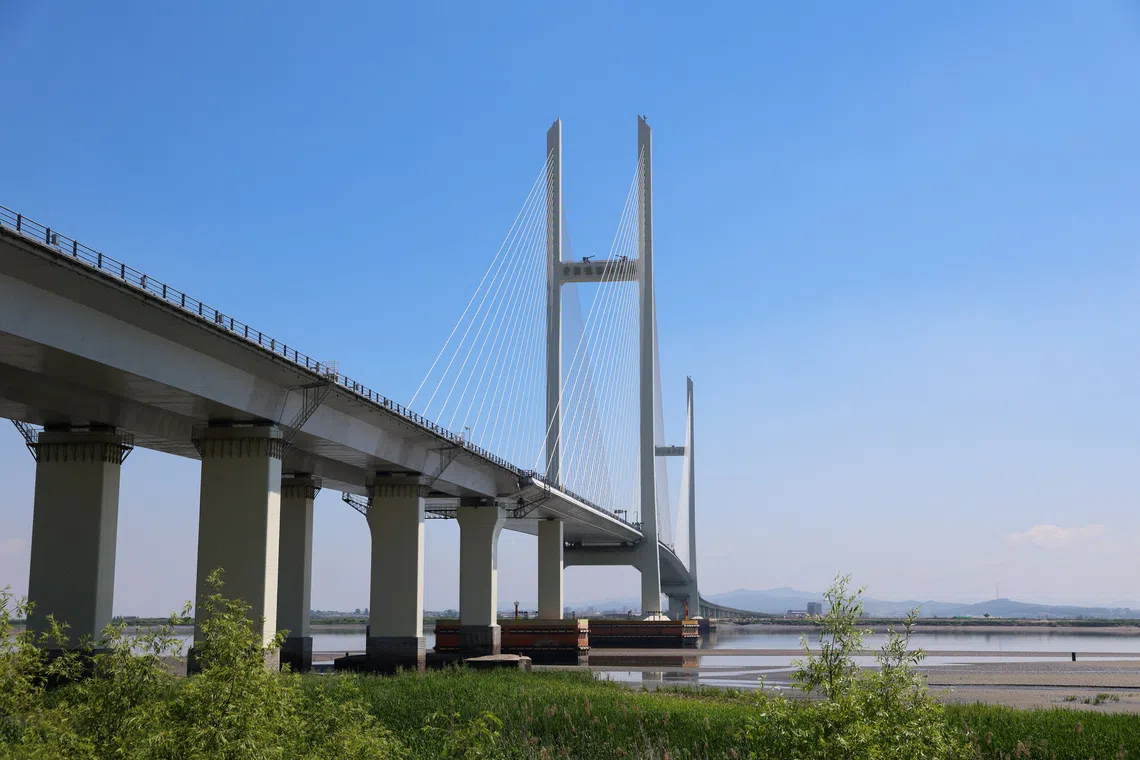
- North Korea opened a road bridge with Russia in September and another with China last week, creating dedicated land routes to deepen bilateral ties in military and economic domains respectively.
- North Korea exchanges weapons and labor for Russian military technology, with arms trade nearly doubling from $7.7 billion in 2023 to $14.4 billion by 2025, while sending laborers to work in drone factories and warzones.
- Russia publicly supports North Korea’s nuclear program and pledged defense under the 2024 Comprehensive Strategic Partnership Treaty, mirroring but not rivaling China’s 1961 mutual defense pact.
- North Korea trades primarily in energy, raw materials, and heavy equipment with China, where bilateral trade rose to $1.5 billion in 2026 — a post-sanctions high — with little weapons involvement.
- China quietly dropped 'denuclearization' from its North Korea policy and eased enforcement of international sanctions after Xi Jinping’s June visit, despite not highlighting military cooperation publicly.
- Russia and China accept North Korea’s division of labor, with Beijing tolerating Pyongyang’s involvement in Ukraine’s war so long as regional stability is preserved, and Moscow supporting trilateral coordination on regional access.
Why it matters: North Korea gains sustained military and economic support from both Russia and China without needing them to compete, altering the strategic calculus in Northeast Asia. With $14.4 billion in arms trade with Russia and $1.5 billion in trade with China, Pyongyang now has greater leverage in any future talks with the U.S., while Moscow and Beijing secure a stable ally without undermining their own cooperation.
Ask SkimNews