Call of Duty Splits Seoul Over Security and Expression — SkimNews
Get the Culture newsletter
Daily culture — film, music, books, the trends and ideas worth your attention. Free.
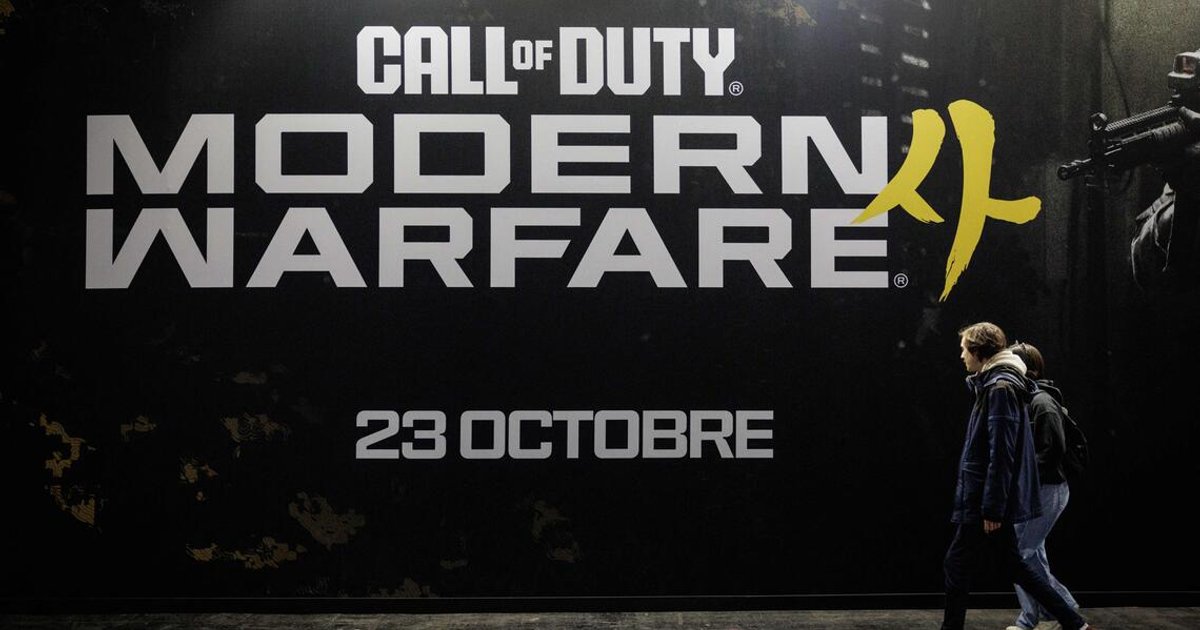
- Call of Duty: Modern Warfare 4 was released worldwide on Oct. 23 by U.S. studio Infinity Ward, depicting a fictional full-scale North Korean invasion, urban combat in Seoul and political turmoil within North Korea’s leadership.
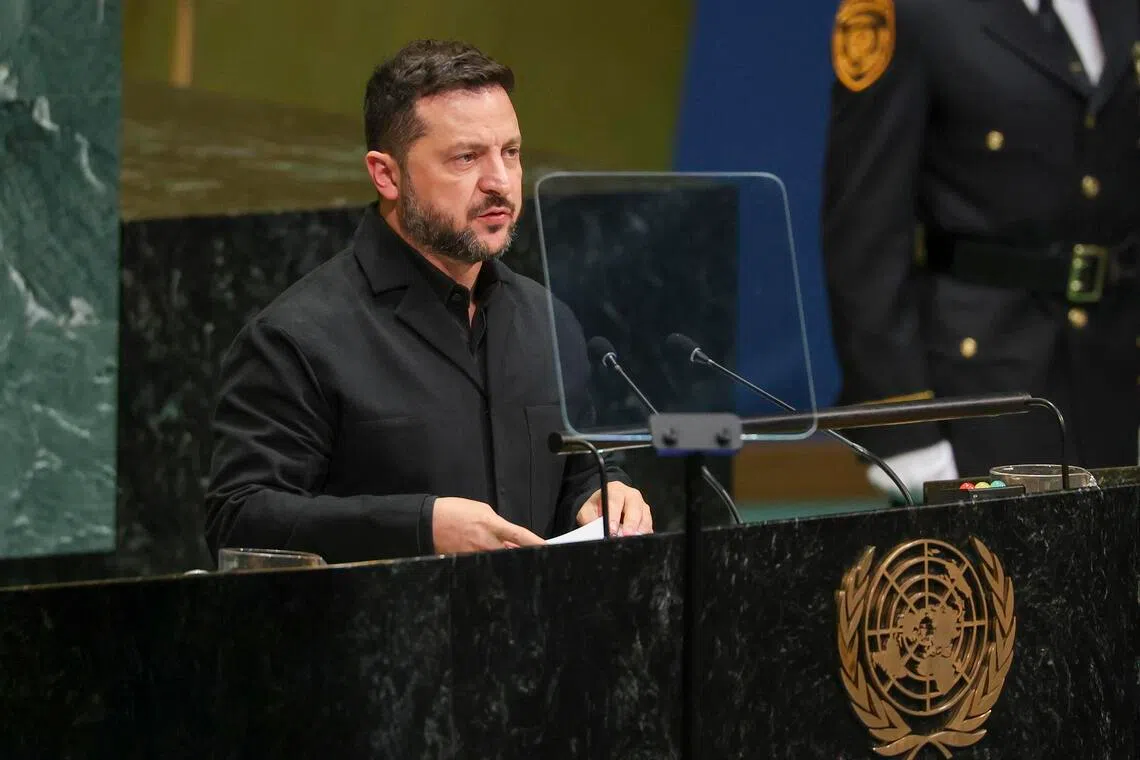
- Choi Hwi-young told lawmakers at the National Assembly’s annual audit on Oct. 23 that video games, like films, are constitutionally protected expression and cannot face prior censorship.
- Han Dong-hoon urged President Lee Jae Myung on Oct. 23 to play the game, arguing that national security requires preparation rather than hope; he also criticized Lee’s Oct. 19 description of North Korea’s nuclear arsenal as a “last-resort defensive weapon,” the early transfer of wartime operational control and reduced joint exercises with the United States.
- Ahn Cheol-soo recommended on Oct. 20 that Lee watch gameplay footage to understand the potentially catastrophic consequences of what the lawmaker characterized as naive security assumptions.
- Reform Party cited the two Sept. 21 land-mine explosions inside the DMZ, which injured three South Korean soldiers, two seriously; a joint military and United Nations Command investigation concluded that North Korean mines planted south of the Military Demarcation Line caused the blasts in violation of the Korean War Armistice Agreement.
- Park Soo-young said lawmakers who defended September’s Assassin(s), a film about the 1974 assassination of former First Lady Yuk Young-soo, as fiction should extend the same freedom to the game, while People Power Party colleague Joo Jin-woo called the game protected creative expression.
- Kim Han-kyu said video games should not be regulated unless they violate the law, argued that familiar Korean settings would appeal to domestic players and noted that the 1950-53 armistice leaves the two Koreas technically at war.
Why it matters: Lee Jae Myung’s description of North Korea’s arsenal and defense preparations becomes a political test: Han Dong-hoon and Ahn Cheol-soo challenge his readiness, while the Reform Party cites two Sept. 21 DMZ blasts that injured three soldiers. The government also defends the Oct. 23 game against prior censorship, tying national security to artistic freedom.
Ask SkimNews