China blocks Taiwan president's flight to last African ally — SkimNews

SkimNews Take
China's use of airspace denial as a diplomatic tool against Taiwan highlights the increasing militarization of what were once considered routine civilian transit rights.
Get the Geopolitics newsletter
Daily geopolitics — wars, elections, sanctions, the diplomatic moves that move markets. Free.
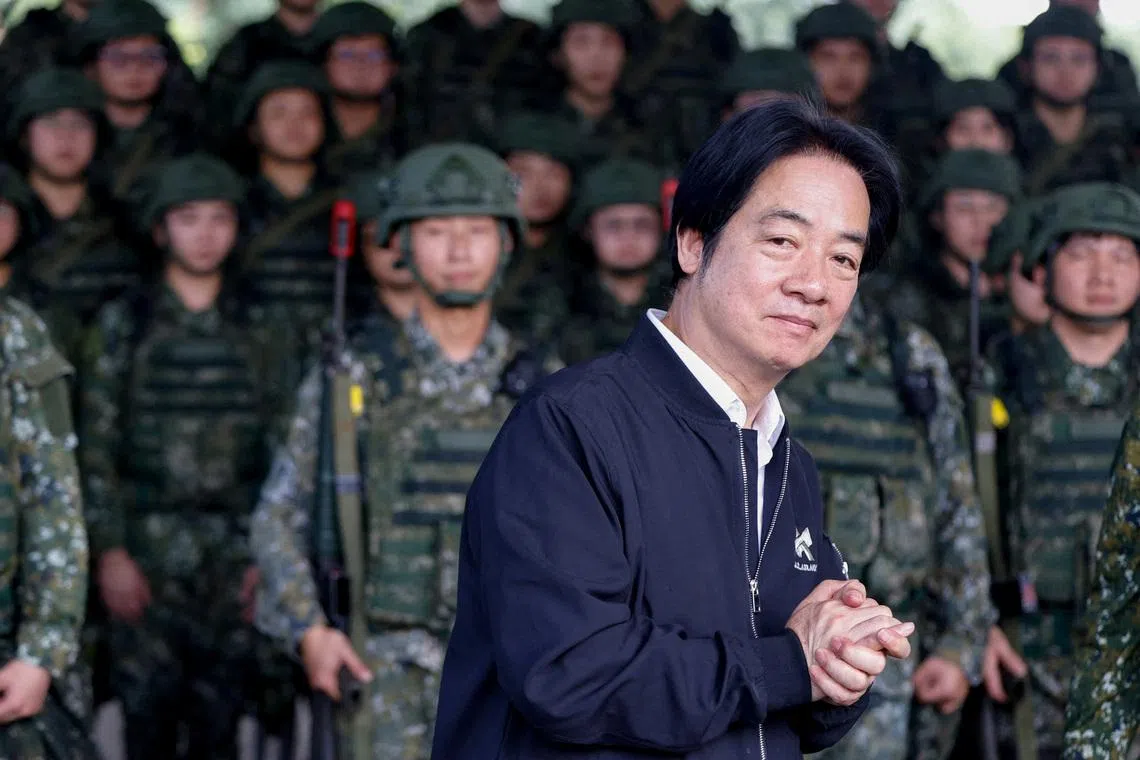
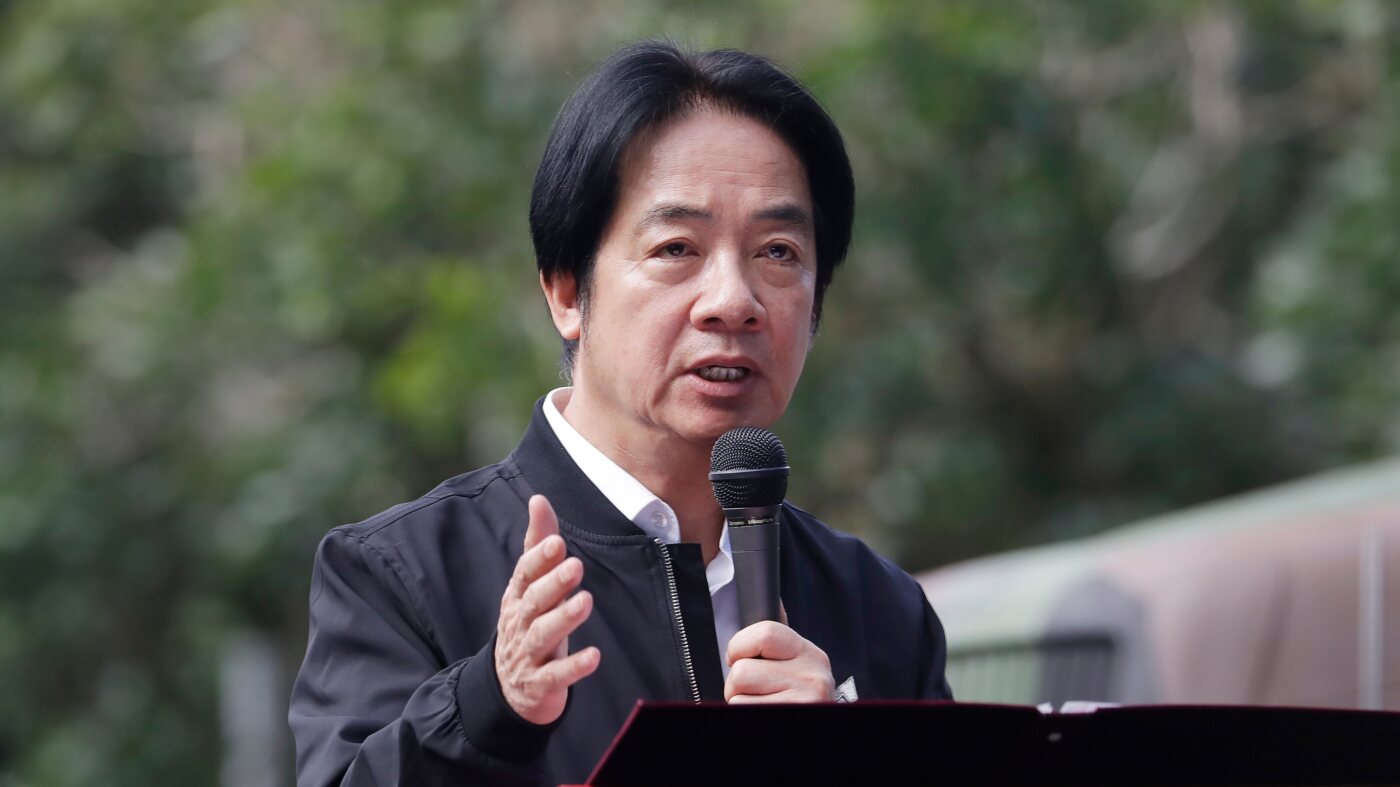
- China was accused of pressuring Seychelles, Mauritius, and Madagascar to withdraw airspace permissions for Taiwan President Lai Ching-te, forcing cancellation of his trip to Eswatini.
- It was the first time a Taiwanese president had to cancel a foreign trip due to an airspace denial, with Chicago Council analyst Raymond Kuo calling it "definitely an escalation."
- Taiwan's presidential office blamed "strong pressure from the Chinese authorities, including economic coercion," while the U.S. State Department called it part of Beijing's ongoing "intimidation campaign" against Taiwan.
- China's Ministry of Foreign Affairs did not confirm or deny applying pressure but expressed its "high appreciation" for the African countries' actions.
- Only 12 countries maintain formal diplomatic relations with Taiwan, and Eswatini is its sole African partner — a number that has steadily shrunk as Beijing poaches allies.
- Analyst Drew Thompson said China's leverage in small African states is financial: it is a major lender offering favorable repayment terms, with the implicit threat of calling in debts to create a fiscal crisis.
- Harvard's Rana Mitter noted a parallel signal to Taiwanese voters: while Lai is shut out of African airspace, KMT opposition leader Cheng Li-wun was recently hosted by Xi Jinping in Beijing — a contrast potentially aimed at the 2028 presidential election.
Why it matters: Beijing's airspace blockade opens a new front in its isolation campaign, moving beyond severing formal ties to denying even transit rights to Taiwan's leader. With only 12 diplomatic partners remaining and Taiwan's president now effectively grounded, the squeeze is escalating from diplomatic poaching to logistical strangulation as the 2028 election approaches — and small states dependent on Chinese lending are proving unable to resist.
Ask SkimNews