Right Whales Log 23 Calves—Most Since 2009 — SkimNews
Get the Energy newsletter
Daily energy & climate — solar, EVs, oil, the policy fights and tech bets shaping the transition. Free.
- North Atlantic right whales produced 23 calves this calving season, the highest count since 2009 and the fourth-highest ever recorded, according to Amy Warren of the New England Aquarium.
- The population remains critically endangered at under 400 individuals, down from as few as 20-50 whales when international whaling protections took effect in 1932.
- Warren manages the North Atlantic Right Whale Identification Catalog, which documents 800-plus individuals dating to 1935 through 3,000-5,000 annual sightings and millions of photographs.
- Female right whales are now calving every 3-6 years, a sharp improvement from the 10-year gaps common over the past decade—a shift Warren called a possible sign of better health and body condition.
- Recent years included a season with zero calves and another with only five, meaning one strong season offsets only a few bad ones, Warren noted.
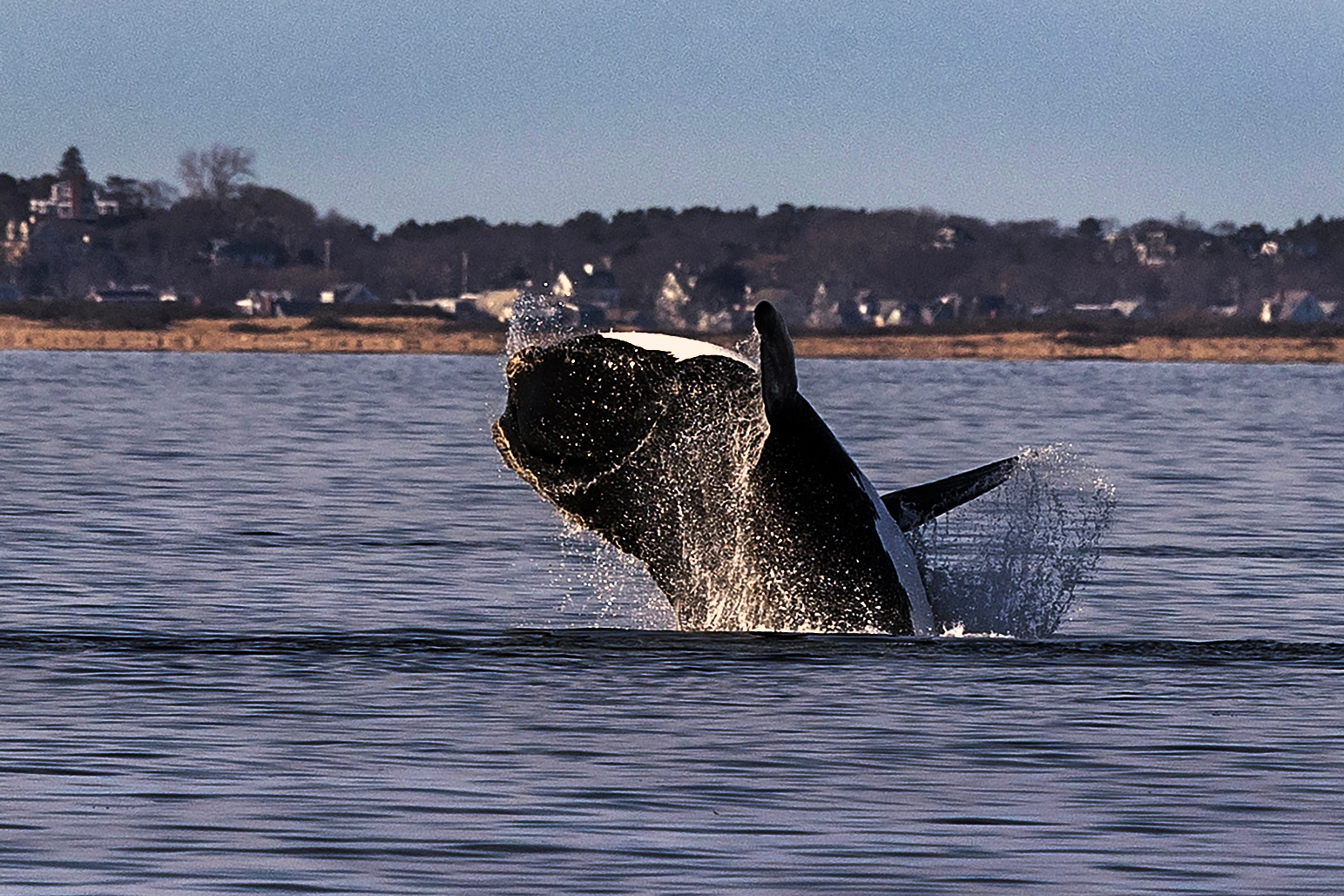
- Each whale is individually identifiable by unique white callosity patterns on its head—rough skin patches colonized by whale lice that create distinct markings against the whales' black skin.
Why it matters: With fewer than 400 right whales left and a history of years producing zero or just five calves, a 23-calf season is biologically significant. The shortening of birth intervals from roughly 10 years to 3-6 suggests females are finally regaining the body condition needed to reproduce, but Warren stressed that sustained years of high calf counts—not a single good season—are what the species needs to recover.
Ask SkimNews