BYD's Lian: Solid-State EV Batteries at 'Critical Stage' — SkimNews
Get the Energy newsletter
Daily energy & climate — solar, EVs, oil, the policy fights and tech bets shaping the transition. Free.
- Lian Yubo, BYD Group's chief scientist, said all-solid-state EV batteries have reached a "critical stage" during a conference on China's automotive policies on April 7, citing ion stability and lithium dendrite growth as key remaining commercialization hurdles.
- Lian urged the industry to keep investing in liquid lithium-ion, sodium-ion, and next-generation lithium-ion batteries, stating solid-state batteries complement rather than replace existing chemistries and the sector should build a full supply chain rather than optimize cells in isolation.
- BYD expects limited production of sulfide-based all-solid-state batteries to begin in 2027, with mass production targeted around 2030, initially rolling out in higher-end Yangwang and Denza models before mass-market vehicles.
- BYD has researched solid-state batteries since 2013 and began testing 20 Ah and 60 Ah cells in 2024; battery business CTO Sun Huajun said sulfide electrolytes are longer-lasting and more stable than traditional liquid lithium-ion, enabling faster charging.
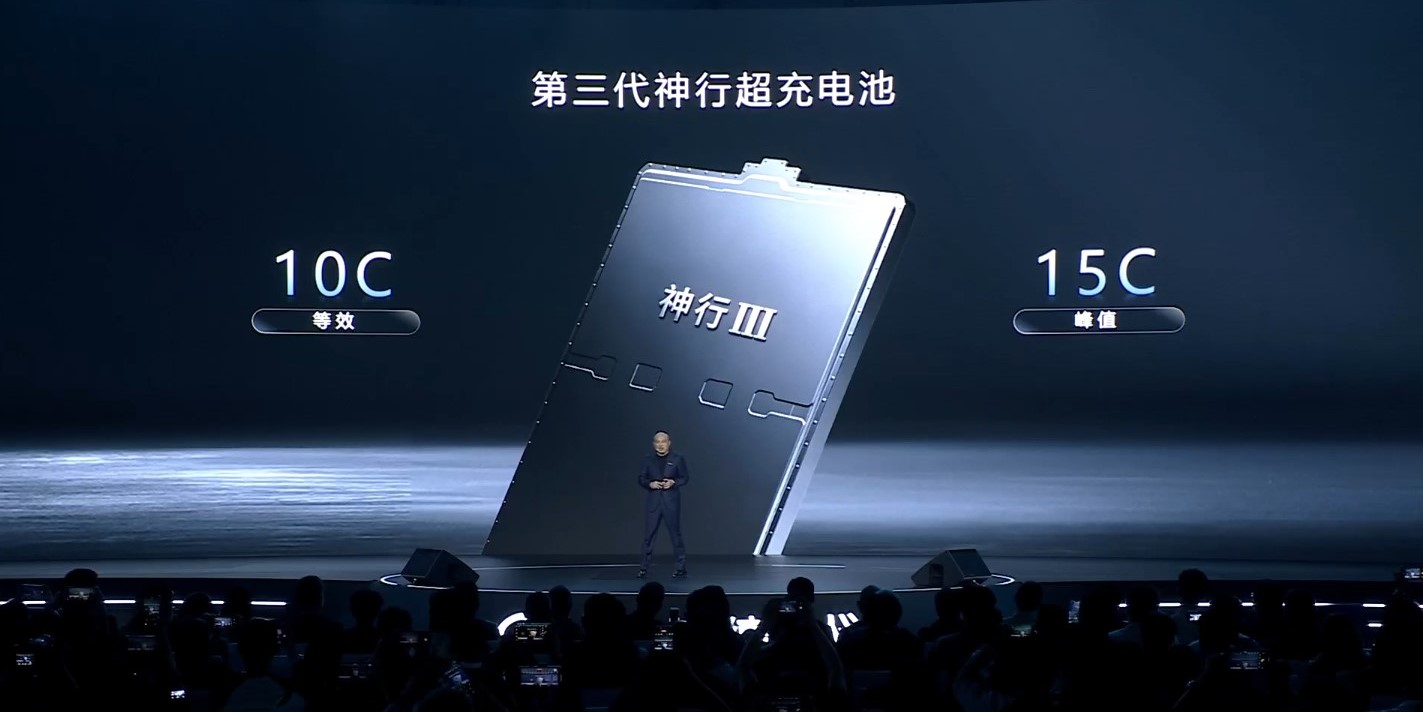
- BYD's Blade Battery 2.0 LFP battery, launched last month, delivers over 1,000 km of CLTC driving range and fast-charges from 10% to 70% in five minutes, and can recharge from 20% to 97% in 12 minutes after 24 hours at -30°C.
- China widened its lead in the global EV battery market last year, with CATL and BYD together accounting for over 55% of sales.
Why it matters: BYD's dual-track message — solid-state is at a critical stage but not a silver bullet — means suppliers shouldn't expect BYD to abandon proven chemistries during the 2027-2030 transition. With CATL and BYD controlling over 55% of global EV battery sales, BYD's continued liquid lithium-ion investment keeps R&D dollars flowing across multiple chemistries rather than one bet.
Ask SkimNews