Lula launches fourth-term bid, leans on sovereignty — SkimNews

Get the Geopolitics newsletter
Daily geopolitics — wars, elections, sanctions, the diplomatic moves that move markets. Free.
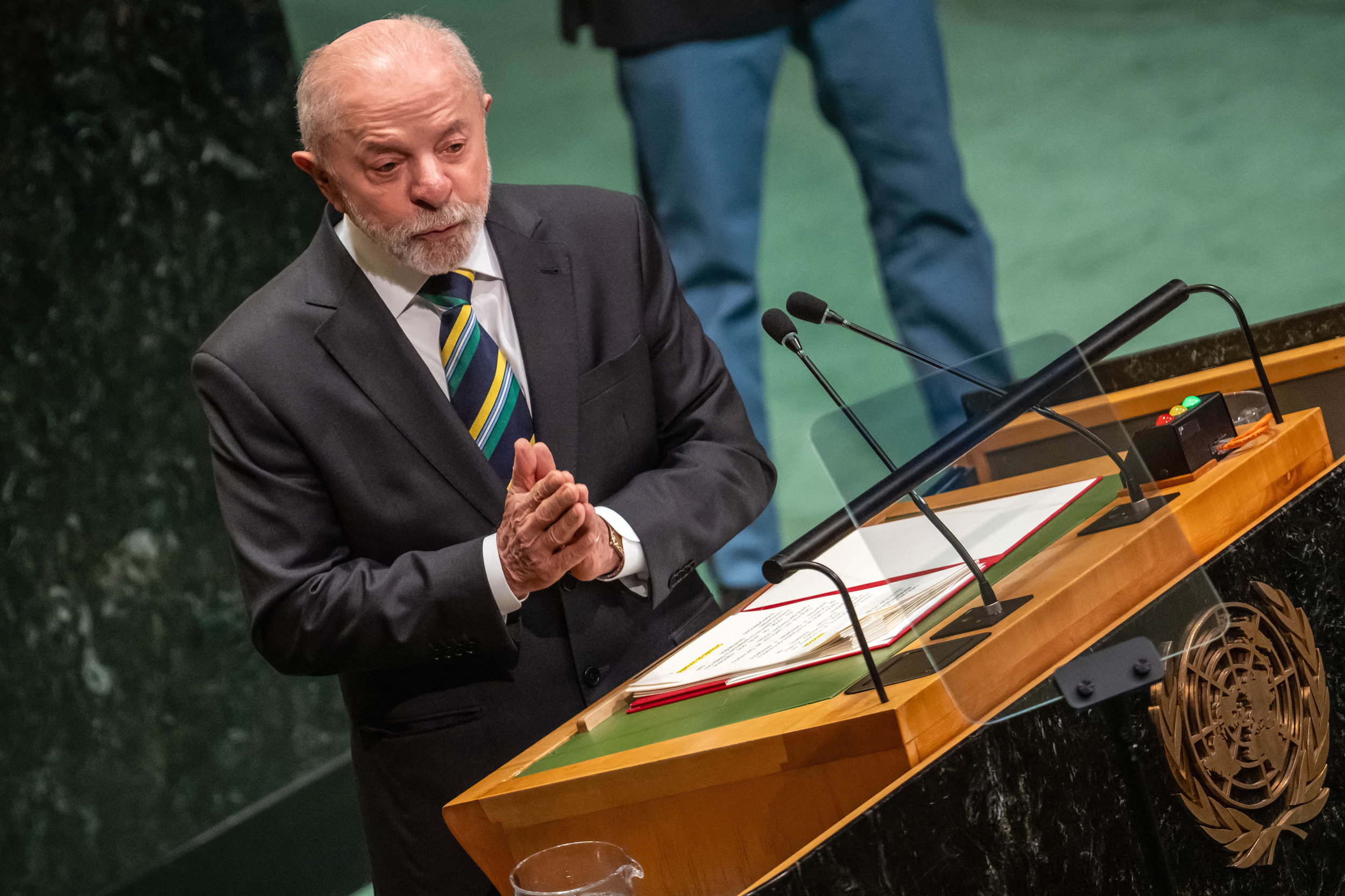
- Lula formally launched his fourth-term bid — his seventh presidential campaign — at a Workers' Party convention in São Paulo on Sunday, telling supporters at age 80 that it would be his final run.
- His speech emphasized national sovereignty, calling for increased defense spending and pledging to protect Brazil's rare earths and critical minerals from China, the United States and France without sovereignty guarantees.
- Trump has imposed two rounds of tariffs on Brazilian goods in July citing unfair trade, while maintaining close ties with Senator Flavio Bolsonaro — Lula's main challenger.
- Flavio Bolsonaro, 45, emerged as the right's leading candidate after his father (former President Jair Bolsonaro) was convicted of plotting to overturn the 2022 election; Lula has labeled him a "traitor to the nation."
- A Datafolha survey places Lula at 48% to Flavio Bolsonaro's 43% in a hypothetical second-round matchup — a narrow margin in a deeply divided country.
- Lula faces domestic vulnerabilities including rising living costs, public deficit and organized crime, despite economic growth, high employment and social programs credited with helping poorer Brazilians.
- Corruption investigations have reached both campaigns: Flavio Bolsonaro faces scrutiny over alleged funding from a banker accused of financial fraud, while one of Lula's sons is under investigation for suspected corruption and influence peddling.
Why it matters: With a Datafolha poll showing a razor-thin race (Lula 48%, Flavio Bolsonaro 43%), Lula's sovereignty framing offers a strategic pivot away from domestic vulnerabilities like rising living costs and organized crime. Trump imposing two rounds of Brazilian tariffs while maintaining personal ties to the Bolsonaro family gives Lula a rare external foil — though political scientist Leonardo Paz notes the message also lets him blame an 'external enemy' for internal problems.
Ask SkimNews